How Long Does It Take to Build a Custom Home in Ontario?

A realistic timeline for building a custom home in Ontario, phase by phase, from a builder who works in Simcoe County and the Georgian Bay region. It includes the trade lead times and seasonal constraints that most timeline guides leave out.
Quick Answer
Building a custom home in Ontario typically takes 1.5 to 2+ years from start to finish — roughly 4 to 6 months of pre-construction planning (land analysis, design, permits) followed by 8 to 16 months of construction.
The spread is wide because four things move it: the size and complexity of the house, how early the design is genuinely finalised, municipal permit processing, and where the foundation lands relative to winter. The sections below break each phase down and show which decisions actually shorten the schedule.
Complete Custom Home Timeline Overview
| Phase | Typical Duration | What Is Happening |
|---|---|---|
| Planning | 4–6 months | Land analysis, design, engineering, permit application |
| Foundation | 1–2 months | Excavation, footings, foundation walls, backfill |
| Framing | 1–2 months | Structure, roof, windows and doors — the house gets closed in |
| Systems | 2–3 months | Electrical, plumbing, HVAC rough-in, insulation, drywall |
| Finishes | 2–4 months | Millwork, flooring, paint, fixtures, final inspections |
From selecting the perfect plot of land to completing the final walk-through, building a custom home is a multi-phase journey that requires careful planning and realistic expectations. While production homes can be completed in 4-9 months, custom homes take longer due to the personalised design process and attention to detail that makes your home truly unique.
Pre-Construction Phase: The Foundation of Success (4-6 Months)
Land Acquisition and Analysis (1–2 Months)
Finding the perfect plot of land is crucial for your custom home project. This phase often determines the overall success and timeline of your build.
- Identifying suitable locations that match your lifestyle and budget
- Conducting feasibility studies and due diligence
- Soil testing and environmental assessments
- Reviewing zoning restrictions and building setbacks
- Utility availability and connection costs analysis
Zoning and setback rules are set municipally, so confirm them against the source before you make an offer on a lot — the Town of Wasaga Beach, Town of Collingwood and County of Simcoe all publish their own requirements, and they differ.
Design and Planning (2–3 Months)
This stage transforms your vision into detailed architectural plans. Working closely with experienced architects and designers is essential for creating a home that meets your needs and budget.
- Initial consultation and needs assessment
- Developing preliminary sketches and concepts
- Creating detailed blueprints and specifications
- Selecting materials, finishes, and fixtures
- Finalising the design based on budget constraints
- Engineering calculations and structural planning
Learn more about creating the right layout in our floor plan selection guide.
Permits and Approvals (1–3 Months)
Every custom home requires multiple permits before construction can begin. This process can be complex and varies significantly between municipalities.
- Building permit applications and submissions
- Navigating zoning regulations and building codes
- Environmental and conservation approvals (if required)
- Septic and well permits (for rural properties)
- Dealing with potential delays during review process
- Municipal inspections and compliance verification
Every one of these is governed by the Ontario Building Code (O. Reg. 332/12), which sets the technical standard your drawings must meet before a permit is issued. Your municipality enforces it, but the Code itself is provincial and worth reading on the points that affect your design. In Wasaga Beach, the town’s Single Family Dwelling Application Checklist shows exactly what a new-home permit submission needs, and rural lots will also need its Septic System Application Checklist.
Important: Permit processing times vary greatly between municipalities. Some areas may require 6-12 weeks, while others can take 3-6 months. Plan accordingly and submit applications as early as possible.
New homes built by a registered builder in Ontario also carry statutory warranty coverage administered by Tarion. Confirm early how your build is structured, because coverage and enrolment obligations differ between a home built for sale and one contracted on land you already own.
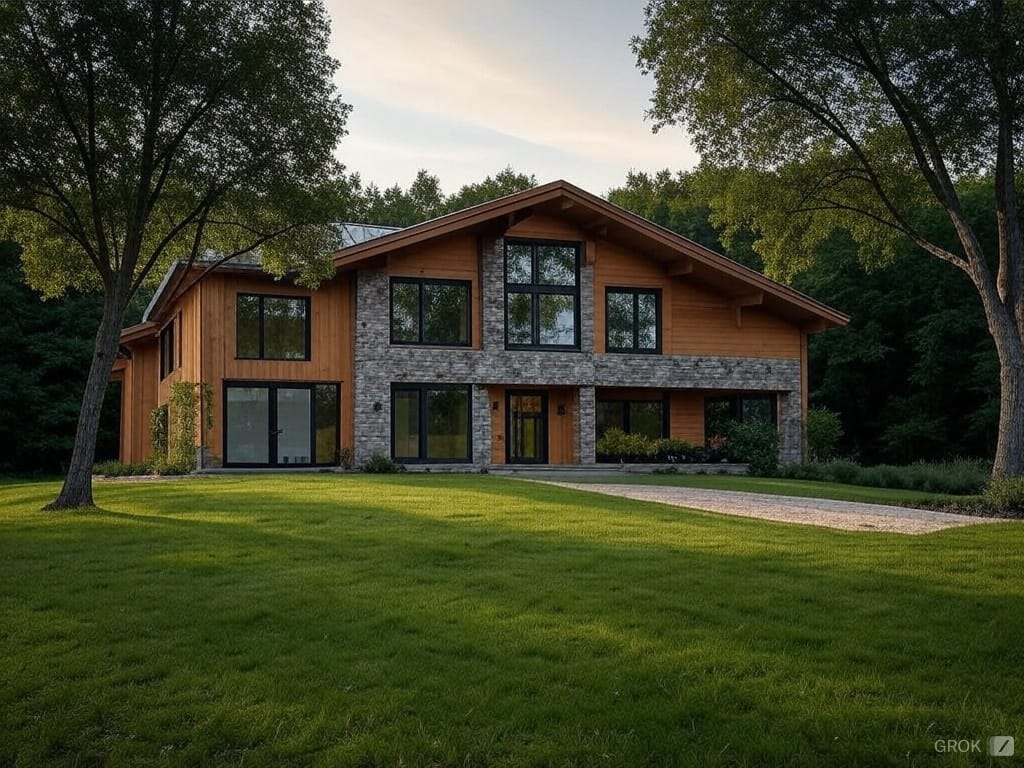
Construction Phase: Building Your Dream (8-16 Months)
Site Preparation and Foundation (1–2 Months)
This phase establishes the foundation for your entire home. Quality work here prevents future issues and ensures structural integrity.
- Site clearing and grading to proper elevations
- Utility rough-ins and temporary services
- Excavation for foundation and basement
- Foundation forming and reinforcement installation
- Concrete pouring and curing process
- Waterproofing and drainage systems
Consider upgrading to ICF (Insulated Concrete Form) construction for superior energy efficiency and durability. ICF foundations provide better insulation and faster construction times.
Framing and Structure (1–2 Months)
The framing phase creates the skeleton of your home. This is when you’ll first see the actual size and layout of your rooms.
- Floor joists and subfloor installation
- Wall framing and load-bearing structures
- Roof trusses or rafters installation
- Sheathing and structural components
- Initial building envelope construction
Exterior Work and Weather Protection (1–2 Months)
Protecting the structure from Ontario’s varying weather conditions is crucial during this phase.
- Roofing installation and weather sealing
- Exterior siding and cladding
- Window and door installation
- Exterior insulation and vapour barriers
- Initial grading and drainage work
Interior Systems Installation (2–3 Months)
Professional tradespeople install the critical systems that make your home functional and comfortable.
- Electrical wiring, panels, and outlet installation
- Plumbing rough-in and fixture preparation
- HVAC ductwork and equipment installation
- Insulation and air sealing work
- Security and smart home system wiring
- Municipal inspections for all systems
Interior Finishes (2–4 Months)
This is where your home truly comes to life with personal touches and high-quality finishes.
- Drywall installation, taping, and finishing
- Interior painting and wall treatments
- Flooring installation (hardwood, tile, carpet)
- Kitchen and bathroom cabinetry
- Countertops and backsplash installation
- Interior trim and millwork
- Lighting fixtures and electrical finishing
- Plumbing fixtures and final connections
Explore our kitchen renovation and bathroom renovation galleries for inspiration on finishes and layouts.
Exterior Finishes and Landscaping (1–2 Months)
The final exterior touches complete your home’s curb appeal and outdoor living spaces.
- Driveway and walkway installation
- Deck and patio construction
- Final grading and soil preparation
- Landscaping and garden installation
- Exterior lighting and electrical finishing
- Fencing and outdoor structures
Consider adding a composite deck or sunroom to extend your living space and enhance your home’s value.
Trade and Material Lead Times: What Actually Sets the Schedule
Most timeline guides describe phases as though each one starts the moment the last finishes. In practice the schedule is set by lead times — how long specialist items take to arrive after they are ordered. Miss an order date and the delay lands months later, when the trade shows up and the material is not there.
These are the items that most often move a completion date in this region.
| Item | Typical lead time | When it must be ordered |
|---|---|---|
| Custom millwork and cabinetry | 8–16 weeks | At drywall, not at finishes |
| Windows and exterior doors | 8–14 weeks | Before framing completes |
| Engineered roof trusses | 6–12 weeks | During permit review |
| Stone and quartz countertops | 3–6 weeks after template | Template needs cabinets installed |
| Specialty tile and stone | 4–10 weeks | Before tile setters are booked |
| Heat pumps and high-efficiency HVAC | 4–12 weeks | At rough-in |
How Long Does Custom Millwork Take?
Custom millwork is the single most common cause of a finishing-stage delay. Shop-built cabinetry, built-ins, and stair components typically run 8 to 16 weeks from approved drawings to delivery — longer for painted finishes, which require more shop time than stained, and longer again for anything involving curved or radius work.
The critical detail is when that clock starts. Millwork cannot be ordered from the architectural drawings alone; the shop needs field measurements taken from the framed and drywalled space. That means the order goes in around drywall, roughly two to three months before the cabinets are needed. Clients who defer kitchen decisions until the house “looks close to done” are almost always the ones who wait an extra two months at the end.
If your build includes significant custom cabinetry, treat the millwork order date as a hard milestone in the schedule rather than a finishing detail.
Custom Home Timelines in Simcoe County and Georgian Bay
Provincial averages hide a lot. Building in Wasaga Beach, Collingwood, Clearview, Springwater, Tiny Township, or the Blue Mountain area carries specific timeline factors that do not apply in the GTA.
The winter window is real, and it is not optional. Foundation work is difficult and more expensive once the ground freezes. Concrete needs heating and hoarding, excavation gets slower, and costs rise. Practically, a build that cannot get its foundation in before roughly late November either pays a winter premium or waits until spring — which can add three to four months to a project that otherwise looked ready to start.
Servicing takes longer on rural and waterfront lots. Municipal water and sewer are frequently unavailable. A drilled well and a septic system sized to the bedroom count both require their own approvals, and septic design on a constrained or shoreline lot can require an engineered system. Budget additional weeks before construction, not during.
Waterfront and escarpment sites trigger review beyond the building permit. Approval from the Nottawasaga Valley Conservation Authority, shoreline setbacks, and in some cases a development permit from the Niagara Escarpment Commission sit ahead of the municipal building permit rather than alongside it. This is time added to pre-construction, and it is the single most underestimated item for anyone buying a lot on the water. Check which authority your lot falls under before you firm up an offer, not after.
Trade availability is seasonal. Summer is peak season across South Georgian Bay. Booking excavators, framers, and finishing trades is materially easier in the shoulder seasons, and a build scheduled around that reality moves faster than one fighting for the same crews as everyone else.
If you are weighing a specific lot, our custom home builder in Wasaga Beach team can walk it and give you a realistic start date before you commit to a purchase.
Key Factors That Affect Your Timeline
Home Size and Complexity
Larger homes or those with complex architectural features require additional time for both design and construction. Multi-level homes, custom millwork, and unique design elements can add 2-6 months to your timeline.
Location and Climate
Ontario’s harsh winters can significantly impact construction schedules. Foundation work may be delayed, and exterior finishing often pauses during extreme cold. Plan for potential 2-4 month delays if construction occurs during winter months.
Material and Labour Availability
Supply chain issues and skilled labour shortages can extend timelines. Popular materials may have long lead times, and finding qualified tradespeople during peak building season can cause delays.
Design Changes During Construction
Modifying plans after construction begins can cause significant delays and cost overruns. Each change may require permit amendments and affect the critical path of construction.
Municipal Permit Processing
Some municipalities have lengthy approval processes that can stall progress. Rural areas may have different requirements than urban centres, affecting timeline predictability.
Site Conditions and Utilities
Challenging soil conditions, rock excavation, or remote utility connections can add weeks or months to your project. Site accessibility also affects material delivery and construction efficiency.
Seasonal Considerations for Ontario Building
Best Time to Start: Beginning construction in late spring (May-June) allows for foundation work in good weather and interior finishing during winter months. Starting in fall means foundation work may be delayed until spring.
Winter Construction: While interior work can continue year-round, exterior work may pause during extreme weather. Budget for potential heating costs and weather protection measures.
Custom vs Production Homes: Timeline Comparison
| Aspect | Custom Home | Production Home |
|---|---|---|
| Total Timeline | 1.5-2+ years | 4-9 months |
| Design Phase | 2-3 months | Pre-designed |
| Design Flexibility | Fully customisable | Limited options |
| Permit Process | 1-3 months | Often pre-approved |
| Construction Quality | Premium materials/craftsmanship | Standard finishes |
| Cost Range | Higher investment | Lower upfront cost |
| Resale Value | Higher long-term value | Standard market value |
Understanding Custom Home Costs
While custom homes take longer and cost more upfront, they offer superior quality, energy efficiency, and personalisation. See what it costs to build a custom home in Ontario for figures by house size and build tier, and soft costs planning for the 20–30% that sits on top of construction.
Expert Tips for Managing Your Timeline
Pro Tips from Experienced Builders
Start Planning Early
Begin the process 6-12 months before you want to break ground. Early planning allows for proper design development and avoids rushed decisions.
Choose an Experienced Builder
A knowledgeable custom home builder can anticipate potential issues and provide realistic timelines based on local experience.
Make Decisions Promptly
Delayed material selections and design changes can derail your timeline. Stick to agreed-upon deadlines for decision-making.
Build in Buffer Time
Plan for 15-20% additional time for unforeseen delays. Weather, permit issues, and material delays are common.
Maintain Open Communication
Regular communication with your builder helps identify potential issues early and keeps the project on track.
Consider Financing Timeline
Understand construction financing requirements and ensure funding aligns with construction milestones. Review our custom home financing guide for detailed information.
Regional Variations Across Ontario
Climate Impact on Construction
In colder regions like Northern Ontario, construction may pause during severe winters, while milder areas in Southern Ontario offer more consistent year-round progress. Coastal areas near the Great Lakes may experience more weather-related delays.
Municipal Differences in Permit Processing
Each municipality has unique regulations and processing times:
- Toronto/GTA: Complex approval process, 8-16 weeks typical
- Simcoe County: Moderate processing, 6-12 weeks average
- Rural Areas: Simpler process but may require septic/well permits
- Conservation Areas: Additional approvals may add 4-8 weeks
Important: Always consult with local building departments early in your planning process. Some areas have seasonal restrictions or special requirements that can significantly impact your timeline.
What to Expect During Construction
Regular Inspections and Milestones
Municipal inspections occur at key milestones throughout construction. These typically include foundation, framing, electrical rough-in, plumbing rough-in, insulation, and final occupancy inspections. Failed inspections can cause delays, so working with experienced tradespeople is crucial.
Communication and Updates
Expect weekly progress updates from your builder, along with photos and milestone reports. Quality builders provide transparent communication and proactive problem-solving when issues arise.
Ready to Start Your Custom Home Journey?
At Mighton Construction Limited, we’ve been building exceptional custom homes in Wasaga Beach, Clearview Township, and throughout Simcoe County for years.
Why homeowners build with us:
- Realistic timeline planning, and a schedule you are held to as much as we are
- Transparent communication from first consultation through final walk-through
- ICF construction specialists for faster, more efficient builds
- Local expertise in Ontario building codes and the Georgian Bay climate
- Fixed-price contracts with no hidden surprises
Book a timeline consultation and we will give you a realistic start and completion date for your lot, not a generic range.
Frequently Asked Questions
What is the fastest way to build a custom home in Ontario?
The fastest approach involves meticulous pre-planning, selecting an experienced builder with established supplier relationships, making all design decisions before construction begins, and considering ICF construction methods which can reduce building time by 2-4 weeks compared to traditional framing.
Can bad weather delay my custom home construction in Ontario?
Yes, Ontario’s climate significantly impacts construction timelines. Foundation work, roofing, and exterior finishing are particularly susceptible to weather delays. Winter construction can add 2-4 months to your timeline, while spring starts typically proceed more smoothly.
How much more do custom homes cost compared to production homes?
Custom homes typically cost 20-50% more than production homes, but offer superior quality, energy efficiency, and personalisation. The investment often pays off through higher resale value and lower operating costs. Learn more in our guide to what it costs to build a custom home in Ontario, which breaks the numbers down by house size and build tier.
When should I start planning my custom home if I want to move in by a specific date?
Start planning 2-3 years before your desired move-in date. This allows time for land acquisition (2-6 months), design and permits (4-6 months), construction (8-16 months), and buffer time for unexpected delays.
What permits are required for custom home construction in Ontario?
You’ll need a building permit, and potentially septic permits (rural areas), well permits, driveway permits, and conservation authority approvals depending on your location. Your builder should handle permit applications and ensure compliance with local building codes.
Can I live on-site during construction?
Living on-site during construction is generally not permitted and not recommended for safety reasons. Most municipalities require a certificate of occupancy before a home can be inhabited. Plan for temporary housing throughout the construction period.
Conclusion: Planning Your Custom Home Timeline
Building a custom home is a significant investment in both time and money, but the result is a perfectly tailored space that reflects your lifestyle and values. While the 1.5 to 2+ year timeline may seem lengthy, understanding each phase helps you appreciate the complexity and craftsmanship involved.
The key to a successful custom home project is partnering with an experienced builder who understands local conditions, building codes, and realistic timelines. At Mighton Construction, we’ve guided hundreds of families through this journey, ensuring smooth communication and quality results throughout the process.
Remember that while production homes offer speed, custom homes provide lasting value through superior design, materials, and energy efficiency. The extra time invested in planning and construction pays dividends in comfort, functionality, and long-term satisfaction.
Ready to begin your custom home journey? Contact our experienced team to discuss your timeline, budget, and vision for your dream home in Wasaga Beach, Clearview Township, or surrounding Simcoe County areas.