
Church Construction · Ontario
Church Additions
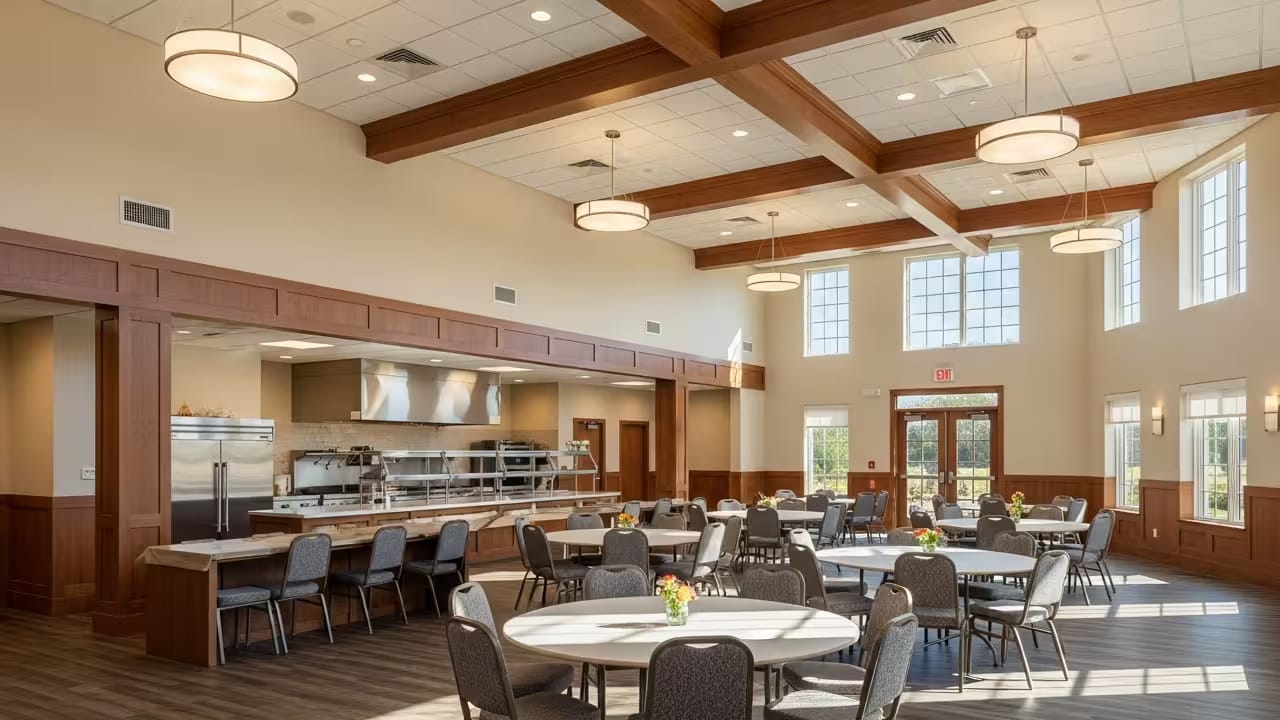
Fellowship halls, classrooms, nurseries, and offices. Connecting new construction to existing church buildings while worship continues.
- 400+ church projects since 1967
- Christian family company
- Construction management specialists
A Church Construction Legacy You Can Verify
- 400+
- Church Projects Completed
- 1967
- Church Building Since
- 3
- Generations of Builders
- $5M
- Liability Coverage
When your congregation outgrows its current facility, an addition is often the most practical and cost-effective way to gain the space your ministry needs. Whether you need a fellowship hall, classrooms, nursery, offices, or expanded gathering space, a well-planned addition can transform your building’s capacity for ministry.
Planning an Addition That Works
A successful church addition starts with understanding what your congregation truly needs. We work with your building committee to identify the spaces that will have the greatest ministry impact and determine how they connect to your existing building. Good planning at this stage prevents costly changes later and ensures the addition feels like a natural extension of your facility.
Connecting New to Existing
The most critical aspect of any addition is how new construction connects to your existing building. This involves structural considerations, matching architectural character, integrating mechanical and electrical systems, managing drainage and building envelope transitions, and ensuring accessible circulation between old and new spaces.
Our experience with hundreds of church projects means we understand these connection challenges thoroughly and plan for them from the earliest stages of design.
Phasing Around Worship
Church additions require careful scheduling to protect your congregation’s worship life. We plan construction phases so that the most disruptive work — particularly the connection between new and existing spaces — is scheduled around your worship calendar. Interior finishing work in the new addition can often proceed with minimal impact on services.
Common Church Additions
Congregations most often add fellowship halls and multipurpose spaces, classrooms and education wings, nurseries and childcare facilities, youth rooms, administrative offices, expanded foyers and gathering areas, commercial kitchens, and accessible entrances.
We provide open-book budgeting on every addition project, giving your committee full visibility into costs and helping your congregation exercise faithful stewardship of building funds.
Since 1967
Three Generations of Church Construction
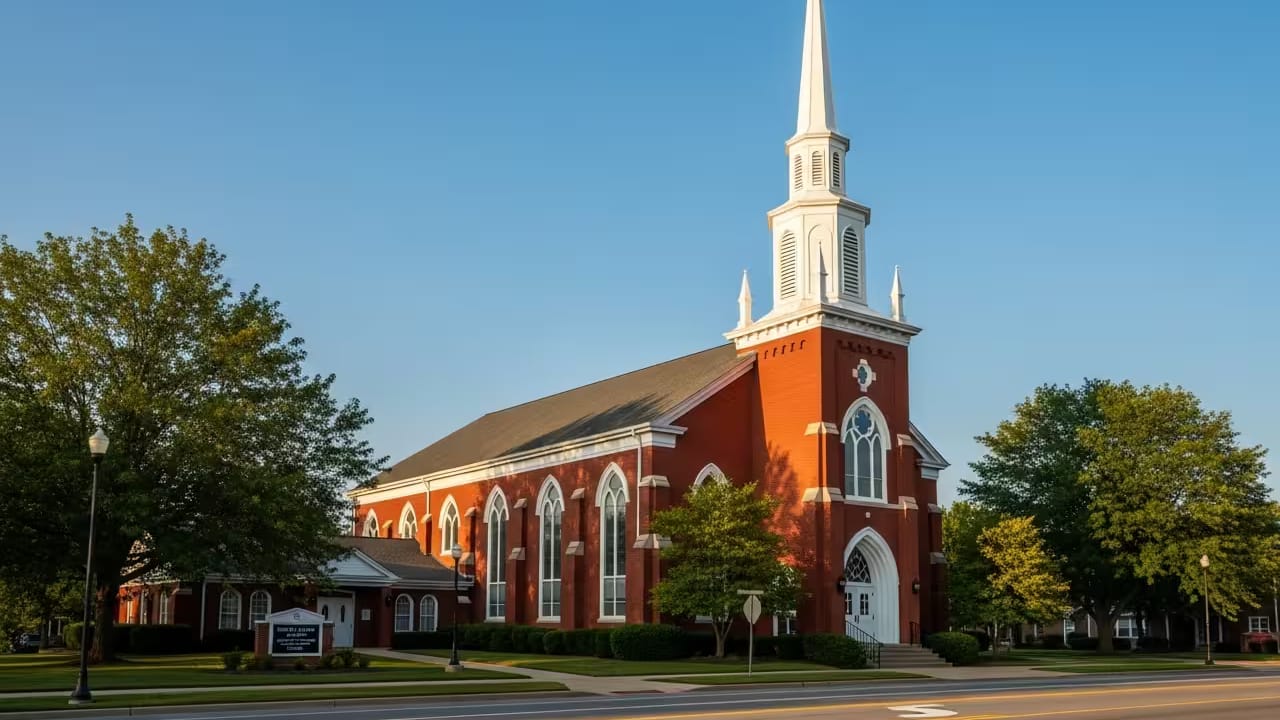
Our church construction experience traces back to 1967, when Don Hawkey — Adam Mighton’s maternal grandfather — founded Don Hawkey Construction. That legacy continued through Hawkey Church Management and through Jeff Mighton’s decades of church construction experience. Today, Mighton Construction carries that family legacy forward with more than 400 church projects completed across Ontario.
- Pentecostal, United, Presbyterian, Catholic, Brethren in Christ, Missionary, and other congregations served
- Construction management with open-book budgeting — every dollar accounted for
- Phasing planned around worship, so ministry continues through construction
- Comfortable working with pastors, elders, trustees, boards, and building committees
How we work with churches
Ministry Needs and Space Planning
We meet with your building committee to understand what your congregation needs from additional space — fellowship, education, childcare, administration — and how it connects to your existing building.
Feasibility and Budget
We evaluate your existing building and site to determine what is practical, identify connection points, and provide realistic cost guidance for your committee's planning.
Design Coordination and Phasing
We coordinate with architects to design an addition that integrates well with your existing structure and plan construction phases that protect ongoing worship and programs.
Construction and Integration
We manage all trades through construction, carefully connecting new work to your existing building and completing the project with open-book reporting throughout.
Schedule a Building Committee Consultation
Thank you — your request is in.
We'll be in touch within one business day. For anything urgent, call 705-809-5809.
What happens next?
- 1We review your project details within 1–2 business days.
- 2We schedule a call or meeting to understand your goals.
- 3If it's a good fit, we provide early guidance and next steps.
Initial consultation: Free
Response time: Within 1–2 business days
Phone: 705-809-5809
Email: info@mightonconstruction.com
Mighton Construction is best suited for larger residential, cottage, and church projects. We are not a handyman or small-repair service.
Common questions from building committees
Frequently Asked Questions
Can you add onto our church without disrupting Sunday services?
What types of additions do churches typically need?
How do you connect a new addition to an existing church building?
Can we build an addition in phases?
What happens to our existing building during construction?
Church construction services
Church Construction Management
Open-book budgeting, design coordination, and practical oversight.
New Church Construction
Planning-first new church construction support.
Church Renovations
Renovations with worship continuity and accessibility.
Church Design-Build
Design coordination and construction planning.
Ready to discuss your church project?
Schedule a building committee consultation to discuss your vision, budget, and timeline.