What Is Custom Home Construction? Complete Overview

Building a home is one of the largest investments most Canadian families ever make, yet nearly half of homeowners say they struggled to find the right fit among pre-built options. Custom home construction offers something different—real control over every detail from layout to materials. Whether you crave an airy waterfront cottage or a high-end urban retreat, understanding key concepts in custom building helps Canadian buyers turn unique vision into reality while avoiding surprises.
Table of Contents
- Defining Custom Home Construction And Key Concepts
- Types Of Custom Builds: Luxury Homes To Cottages
- Steps In The Custom Home Construction Process
- Design Choices, Materials, And Client Involvement
- Cost Factors, Risks, And What To Avoid
Key Takeaways
| Point | Details |
|---|---|
| Custom home construction enhances personalization | Homeowners play a central role in designing and building their homes, allowing for custom architectural designs tailored to their specific needs and aesthetics. |
| Diverse types of custom builds | Custom builds range from luxury homes to cosy cottages, catering to a variety of homeowner preferences and architectural styles. |
| Meticulous construction process | The journey involves several stages including design consultation, site evaluation, and final inspections, ensuring a comprehensive approach to creating the home. |
| Investment awareness and risk management | Homeowners must prepare for potential financial risks and are encouraged to develop a robust budget and maintain clear communication with contractors throughout the project. |
Defining Custom Home Construction and Key Concepts
Custom home construction represents a transformative approach to residential building where homeowners gain unprecedented design freedom and personalization. According to Wowa, custom home construction involves designing and building a home precisely tailored to the owner’s unique specifications, offering complete control over design, materials, and location. Custom home construction differs fundamentally from traditional building methods by placing the homeowner at the center of the design and development process. Rather than selecting from pre-existing floor plans or model homes, clients work collaboratively with architects, designers, and builders to craft a residence that reflects their exact lifestyle, aesthetic preferences, and functional requirements. Key characteristics of custom home construction include:
- Personalized architectural design created from scratch
- Ability to select specific materials and finishes
- Customized floor plans matching individual family needs
- Flexibility in choosing unique structural elements
- Integration of specialized features like home offices, workshops, or accessibility modifications
The process typically involves close collaboration between homeowners and construction professionals to transform vision into reality. Custom Home Project Workflow: Step-by-Step Guide for Success can provide additional insights into navigating this comprehensive journey of creating a truly personalized living space.
Types of Custom Builds: Luxury Homes to Cottages
Custom home construction offers remarkable diversity, spanning an impressive range of architectural styles and functional designs. According to MyOwnCottage, custom builds range from luxurious residences featuring high-end materials and unique features to charming cottages designed for simplicity and comfort, effectively catering to diverse homeowner preferences and lifestyles. Luxury Custom Homes represent the pinnacle of personalized residential construction, characterized by exceptional craftsmanship, premium materials, and sophisticated design elements. What Is Luxury Home Construction? Complete Overview offers deeper insights into these extraordinary residential projects that often incorporate advanced technological integrations, expansive living spaces, and bespoke architectural details. The spectrum of custom builds includes:
- Waterfront luxury homes with panoramic views
- Modern minimalist residences
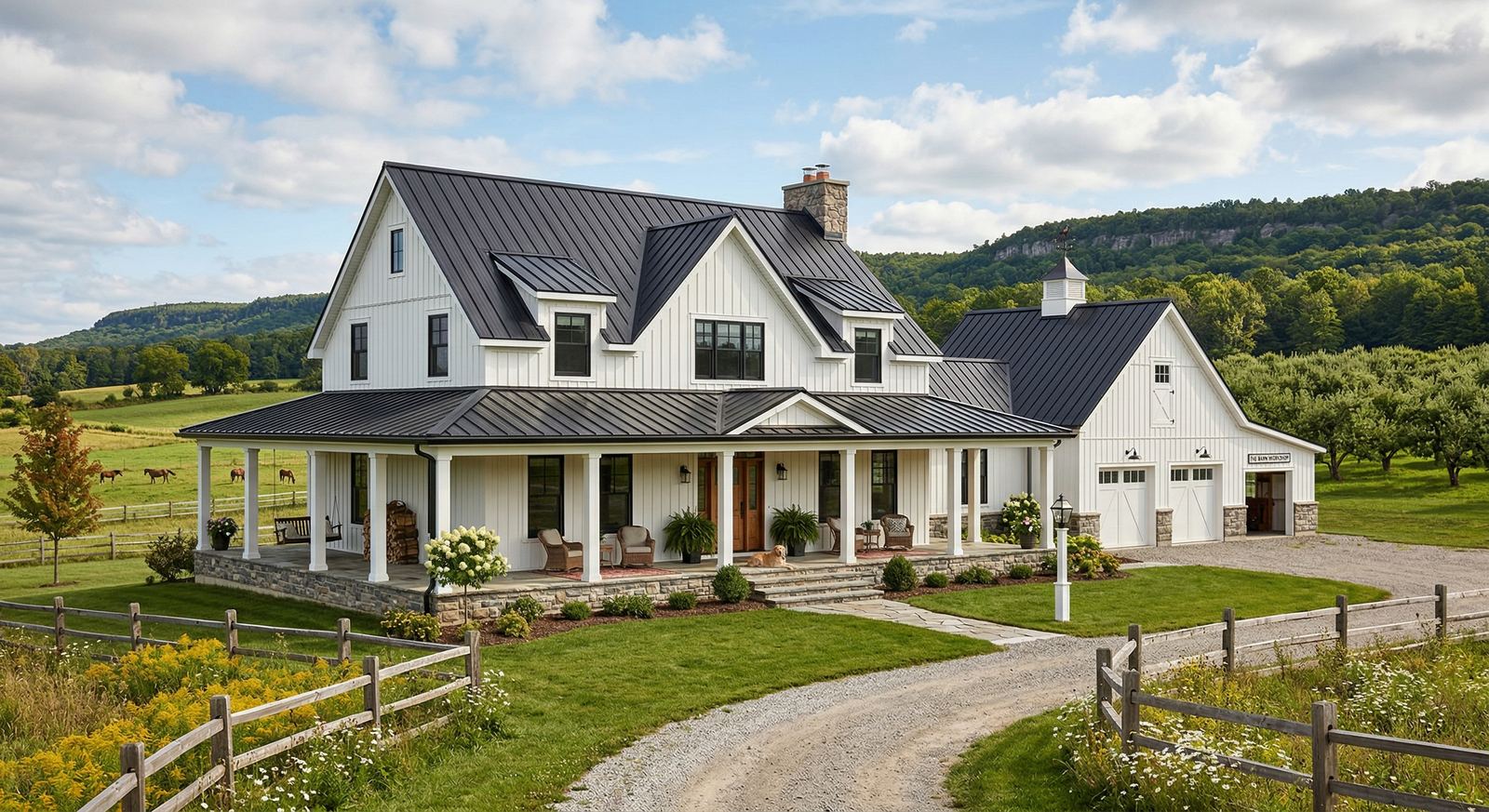
- Traditional countryside cottages
- Energy-efficient sustainable homes
- Multi-generational family compounds
- Retirement retreat designs
- Recreational weekend getaway properties
Each custom build type reflects unique architectural philosophies and homeowner objectives. 7 Types of Custom Homes for Luxury Living in South Georgian Bay provides an excellent exploration of regional design variations that showcase the incredible versatility of custom home construction in creating spaces perfectly aligned with individual dreams and functional requirements.
Steps in the Custom Home Construction Process
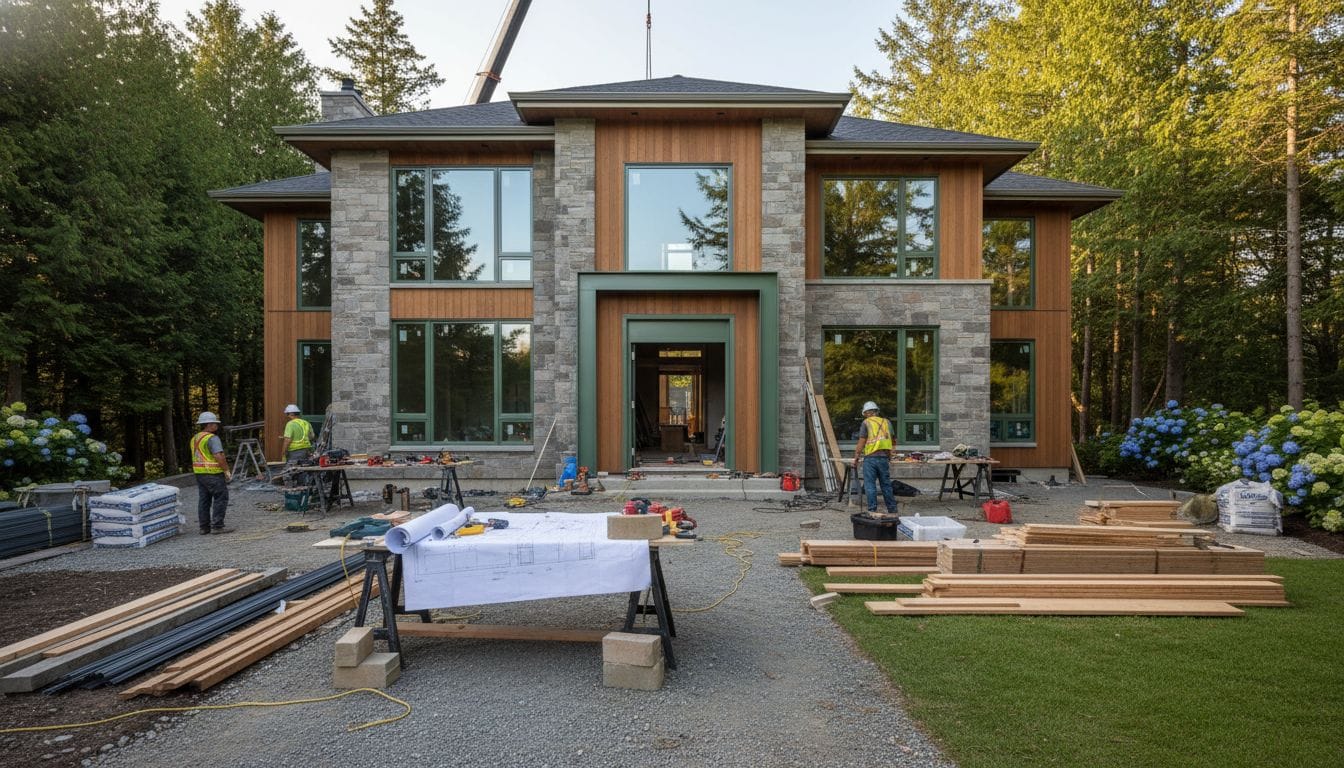
Custom home construction is a comprehensive journey that transforms architectural dreams into tangible living spaces, requiring meticulous planning, collaboration, and expert execution. Frequently Asked Questions about Building Custom Homes highlights the complexity of this intricate process, which typically unfolds through several critical stages designed to ensure client satisfaction and structural excellence. The initial phase involves comprehensive design consultation, where homeowners work closely with architects and designers to conceptualize their vision. During this stage, professionals translate personal preferences, lifestyle requirements, and aesthetic goals into preliminary architectural drawings, exploring everything from spatial layouts to material selections and structural considerations. Key steps in the custom home construction process include:
- Initial consultation and vision mapping
- Architectural design and detailed planning
- Site evaluation and preparation
- Permit acquisition and regulatory compliance
- Foundation and structural framework construction
- Mechanical, electrical, and plumbing installations
- Interior and exterior finishing
- Final inspections and quality assurance
- Project handover and client walkthrough
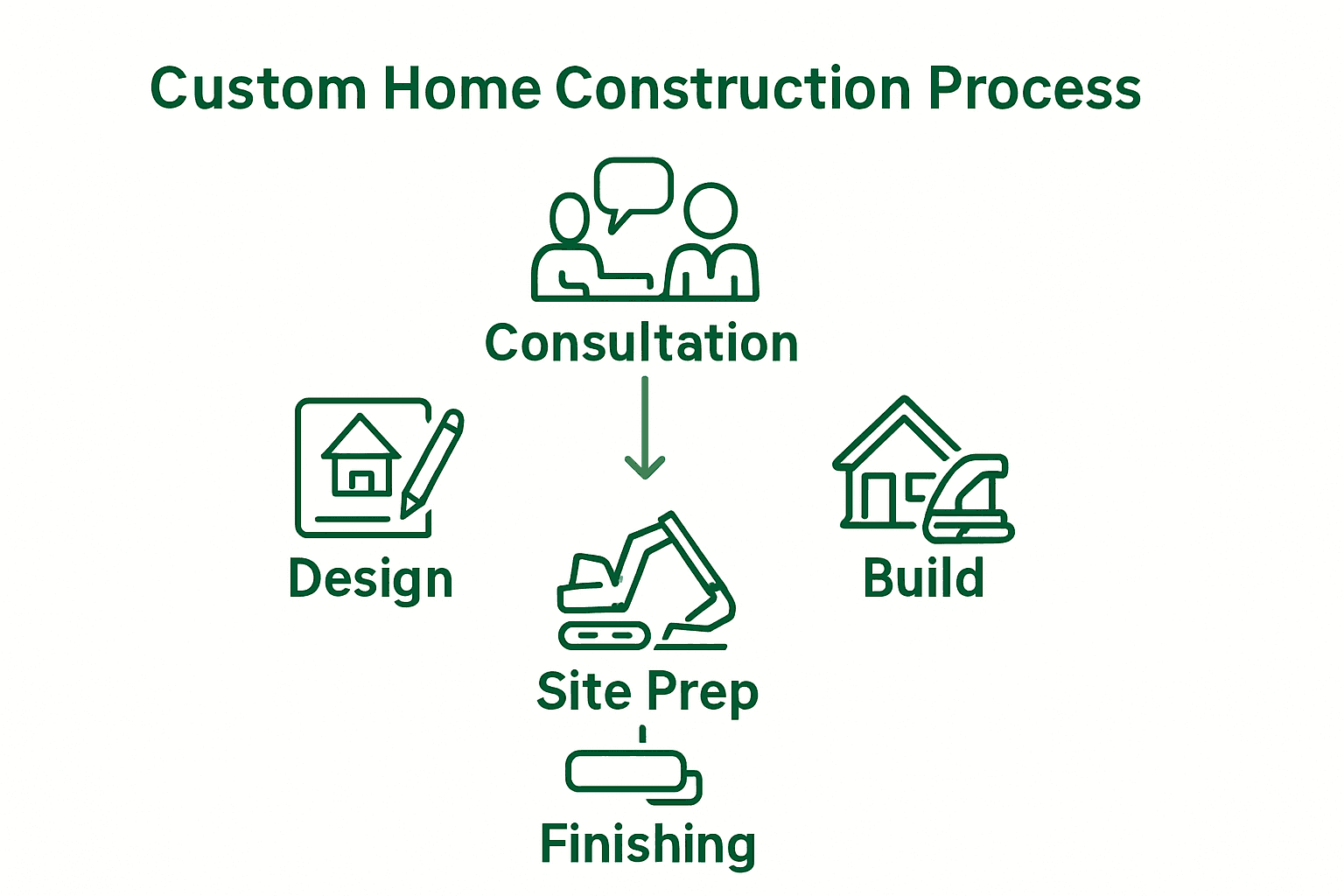
How Long Does It Take to Build a Custom Home in Ontario? 2025 Guide provides additional insights into the timeline and intricacies of transforming architectural blueprints into fully realized custom homes, emphasizing the importance of patience, communication, and professional expertise throughout the construction journey.
Design Choices, Materials, and Client Involvement
Custom home construction represents a deeply collaborative process where client vision, design expertise, and material selection converge to create truly personalized living spaces. What Is Bespoke Home Building? Complete Overview illuminates the intricate relationship between homeowner preferences and professional architectural interpretation, highlighting how individual dreams transform into tangible architectural realities. The material selection process stands as a critical component of custom home construction, where choices extend far beyond aesthetic considerations. Homeowners collaborate with design professionals to evaluate materials based on durability, sustainability, energy efficiency, maintenance requirements, and long-term performance characteristics. These decisions impact not just the immediate visual appeal but the home’s structural integrity, environmental footprint, and future maintenance needs. 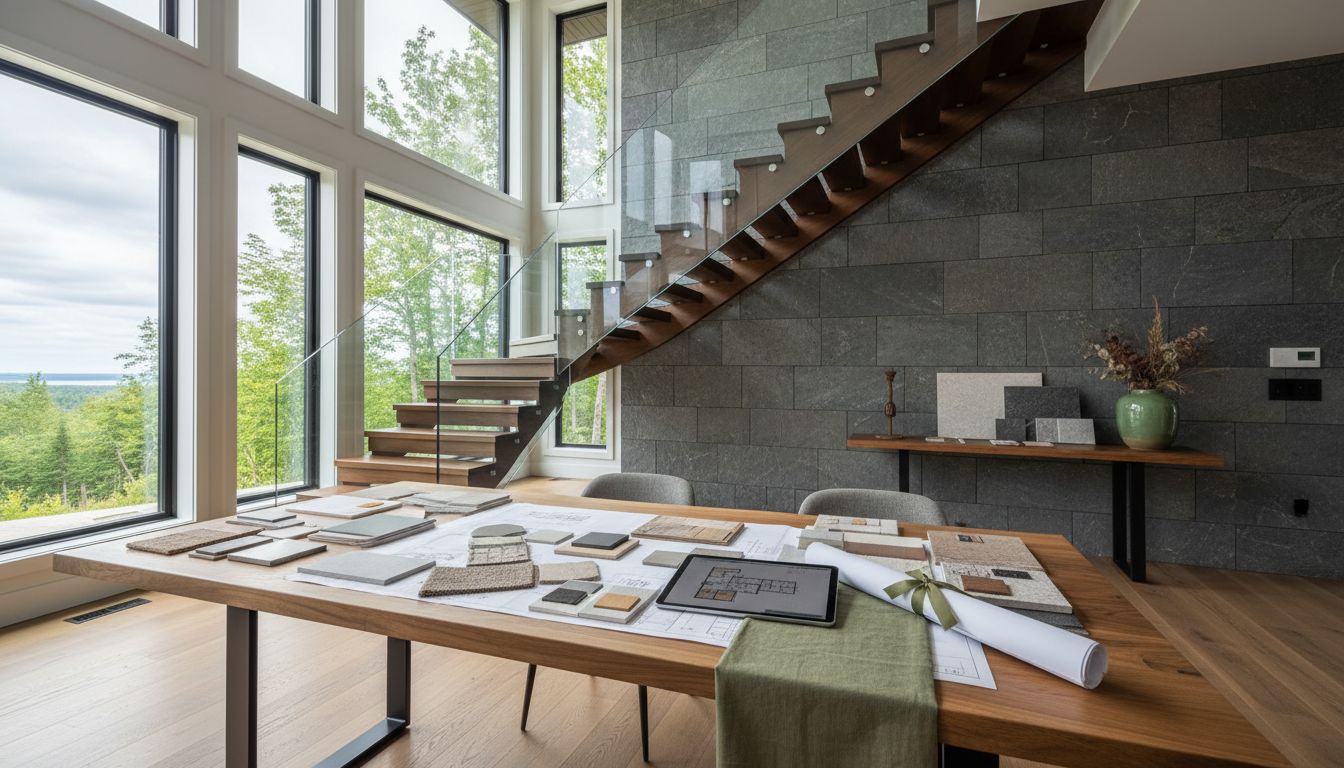 Key considerations in design and material selection include:
- Architectural style compatibility
- Regional climate adaptability
- Thermal and acoustic performance
- Sustainability and environmental impact
- Budget constraints
- Personal aesthetic preferences
- Long-term maintenance requirements
- Energy efficiency potential
The Importance of Quality Materials in Construction underscores that client involvement is not merely about making selections, but about understanding how each design choice and material specification contributes to creating a home that authentically reflects the homeowner’s lifestyle, aspirations, and functional requirements.
Cost Factors, Risks, and What to Avoid
Custom home construction represents a significant financial investment that demands careful planning, thorough understanding of potential risks, and strategic decision-making. Navigating the complex landscape of custom home building requires homeowners to anticipate and mitigate potential financial and structural challenges that could derail their dream project. The financial complexity of custom home construction involves multiple interconnected cost factors that extend beyond basic construction expenses. Unexpected challenges can emerge from site preparation, design modifications, material price fluctuations, regulatory compliance requirements, and specialized architectural features. Homeowners must develop a comprehensive budget that includes not just construction costs, but also contingency funds to address potential unforeseen expenses. Critical risks and potential cost escalation areas include:
- Inadequate initial site assessment
- Unrealistic budget projections
- Poor contractor selection
- Insufficient design documentation
- Lack of clear communication protocols
- Incomplete understanding of local building regulations
- Unexpected geological or environmental constraints
- Material selection without long-term cost considerations
Frequently Asked Questions about Building Custom Homes emphasizes the importance of proactive risk management, recommending that potential custom home builders thoroughly research, maintain flexible expectations, establish clear communication channels with their construction team, and develop a robust financial strategy that accounts for potential variations in project scope and complexity.
Discover the Power of Personalized Custom Home Construction
Building your dream home is an exciting journey but can also feel overwhelming when faced with countless design choices, material selections, and the complexities of managing construction from start to finish. This article highlights the common challenges homeowners face such as navigating architectural plans, coordinating with contractors, and ensuring every detail aligns with your vision. At Mighton Construction, we understand these pain points and offer a fully managed, transparent custom home building experience tailored to your unique lifestyle and location within South Georgian Bay. With over 30 years of local expertise, we specialize in luxury custom homes, waterfront cottages, and energy-efficient builds that reflect your exact needs and preferences. Unlock the potential of truly bespoke living with expert guidance every step of the way. Explore our Custom Home Archives to see how we turn complex designs into stunning realities. We combine craftsmanship with premium materials, sustainable practices, and clear communication so you can enjoy peace of mind throughout your project.  Ready to bring your dream home vision to life with a trusted partner? Visit Mighton Construction to schedule your personalized consultation today. Discover how our comprehensive services and local expertise make custom home construction a rewarding and stress-free process. Learn more about our approach through the General Contracting Archives and see the benefits of our durable building methods in the ICF Construction Archives. Take the next step to build the home that truly belongs to you.
Frequently Asked Questions
What is custom home construction?
Custom home construction is a unique building process where homeowners collaborate with architects and builders to design and construct a home tailored specifically to their individual needs, preferences, and lifestyle.
What are the key benefits of building a custom home?
The primary benefits of custom home construction include complete design freedom, the ability to select materials and finishes, personalized floor plans, and the incorporation of specialized features that enhance functionality and comfort.
What steps are involved in the custom home construction process?
The custom home construction process typically involves stages such as initial consultation, architectural design, site evaluation, permit acquisition, construction, and final inspection before handing over the completed home to the homeowner.
How does material selection impact custom home construction?
Material selection is crucial in custom home construction as it affects aesthetics, durability, sustainability, and energy efficiency. Homeowners must collaborate with professionals to choose materials that align with their design vision and long-term maintenance needs.