Planning Waterfront Cottage Builds for Lasting Value

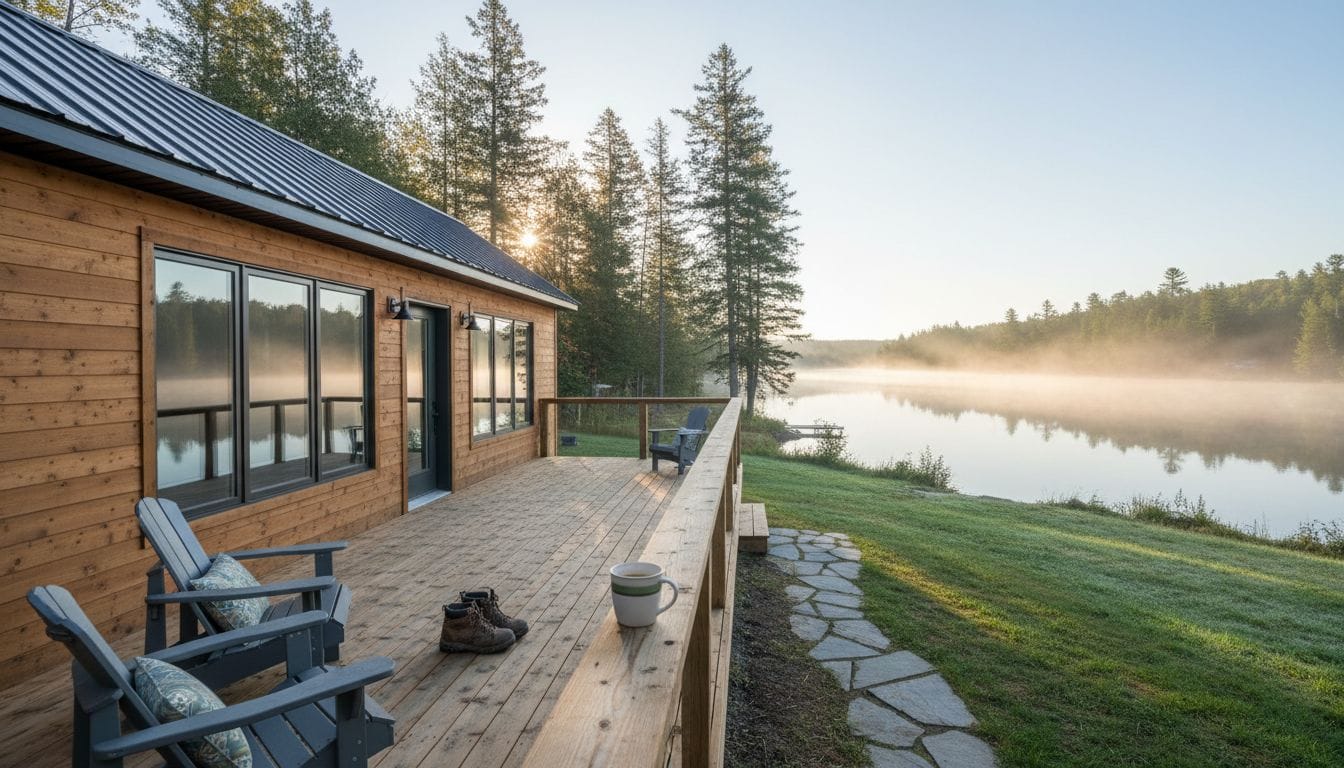
Building a luxury waterfront cottage in South Georgian Bay is both an exciting dream and a serious investment. With prime shoreline real estate and evolving municipal regulations, affluent homeowners face unique planning and construction hurdles. By focusing on a thorough property assessment, strategic budgeting, and sustainable material choices, you can create a stunning retreat that balances elegance, comfort, and long-term value. This guide highlights each critical step to building your custom cottage, offering expert insights that protect your investment while realizing your vision.
Table of Contents
- Step 1: Assess Site And Secure Permits
- Step 2: Define Vision And Budget Strategically
- Step 3: Select Materials And Plan Sustainable Features
- Step 4: Engage Professionals And Finalize Design Details
- Step 5: Verify Construction Standards And Ensure Finishing Quality
Quick Summary
| Main Insight | Description |
|---|---|
| 1. Conduct a thorough property survey | Hire a professional land surveyor to identify boundaries, environmental constraints, and topographical details for compliance. |
| 2. Secure necessary permits upfront | Engage local planning departments early to understand required permits and regulations for construction. |
| 3. Define your cottage’s core purpose | Clarify intended use (personal, rental, investment) to guide design decisions and budgeting. |
| 4. Select sustainable, durable materials | Choose weather-resistant and locally sourced materials while incorporating energy-efficient features for long-term value. |
| 5. Ensure compliance with building standards | Schedule inspections and maintain documentation to verify that all aspects of the construction meet safety and regulatory standards. |
Step 1: Assess Site and Secure Permits
Preparing for a waterfront cottage build begins with a comprehensive site assessment and navigating the local permit landscape. This critical first phase ensures your dream project meets all regulatory requirements and site-specific challenges.
Your initial step involves conducting a thorough property survey to understand the unique characteristics of your waterfront location. This means hiring a professional land surveyor who can map out precise property boundaries, identify potential environmental constraints, and reveal critical topographical details. Many municipalities in the South Georgian Bay region, like Wasaga Beach and Collingwood, have specific zoning regulations for waterfront properties that can significantly impact your construction plans.
- Identify property boundaries and setback requirements
- Evaluate soil conditions and potential drainage issues
- Assess environmental protection zones
- Determine flood plain and shoreline regulations
Securing the necessary permits is equally crucial. You’ll need to engage with local municipal planning departments to obtain building permits, environmental clearances, and potentially shoreline alteration permits. Each jurisdiction has unique requirements, so working with experienced local professionals who understand the nuanced regulatory landscape is essential.
Waterfront cottage builds demand meticulous attention to provincial and municipal regulations to ensure compliance and project success.
Typically, the permit process involves submitting detailed construction plans, environmental impact assessments, and proof of compliance with local building codes. Professional architects and contractors familiar with South Georgian Bay regulations can streamline this complex process and help you navigate potential challenges.
Pro tip: Schedule an early consultation with municipal planning officials to understand specific requirements and potential restrictions before investing significantly in design or construction plans.
Step 2: Define Vision and Budget Strategically
Crafting a successful waterfront cottage build starts with crystalizing your vision and establishing a strategic financial framework. This crucial stage transforms abstract dreams into actionable plans that align your lifestyle aspirations with practical budgetary constraints.
Begin by identifying your cottage’s core purpose - whether it’s a year-round family retreat, seasonal getaway, potential rental property, or investment opportunity. Consider how the space will serve your needs, factoring in family size, potential future uses, and desired lifestyle experiences. Lifestyle compatibility becomes your primary design compass, guiding every subsequent decision.
- Determine primary cottage usage (personal, rental, investment)
- Assess year-round accessibility requirements
- Evaluate proximity to amenities and preferred recreational activities
- Consider long-term family and financial goals
Financial planning requires comprehensive budget development that goes beyond initial construction costs. Strategic budgeting involves anticipating all potential expenses, including land purchase, permits, construction labour, materials, utility connections, and a contingency fund for unexpected challenges. Professional financial advisors recommend allocating an additional 10-15% buffer for unforeseen expenses.
A well-defined vision and meticulously planned budget are the foundation of a successful waterfront cottage project.
Transparency with yourself about financial limitations prevents future disappointment. Prioritize must-have features versus nice-to-have amenities, allowing flexibility in design and financial allocation. This approach ensures your cottage vision remains both inspiring and financially responsible.
Pro tip: Create a detailed spreadsheet tracking every anticipated expense and regularly update it throughout the planning process to maintain clear financial visibility.
Step 3: Select Materials and Plan Sustainable Features
Selecting the right materials and incorporating sustainable design features are critical steps in creating a waterfront cottage that balances aesthetic appeal, durability, and environmental responsibility. Your material choices will significantly impact the long-term performance, comfort, and value of your cottage.
Start by understanding building permit requirements that guide material selection for waterfront environments. Weather-resistant materials become paramount when constructing in coastal or lake-adjacent regions. Look for options that can withstand moisture, temperature fluctuations, and potential seasonal challenges specific to South Georgian Bay.
- Choose materials with high durability ratings
- Prioritize local and sustainably sourced materials
- Consider thermal performance and insulation properties
- Evaluate long-term maintenance requirements
- Select materials compatible with waterfront environmental conditions
Sustainable features transform your cottage from a simple structure to an eco-friendly retreat. Energy-efficient design elements like high-performance windows, advanced insulation systems, and passive solar orientation can dramatically reduce your environmental footprint while providing superior comfort. Consider integrating renewable energy solutions such as solar panels, rainwater collection systems, and energy-efficient appliances.
Sustainable cottage design is not just an environmental choice—it’s a smart long-term investment in comfort and efficiency.
Materials that offer both performance and sustainability will provide the best return on investment. Prioritize options like locally sourced timber, recycled composite materials, and products with low environmental impact. Engaging with local suppliers who understand the unique South Georgian Bay climate can provide invaluable insights into the most suitable material selections.
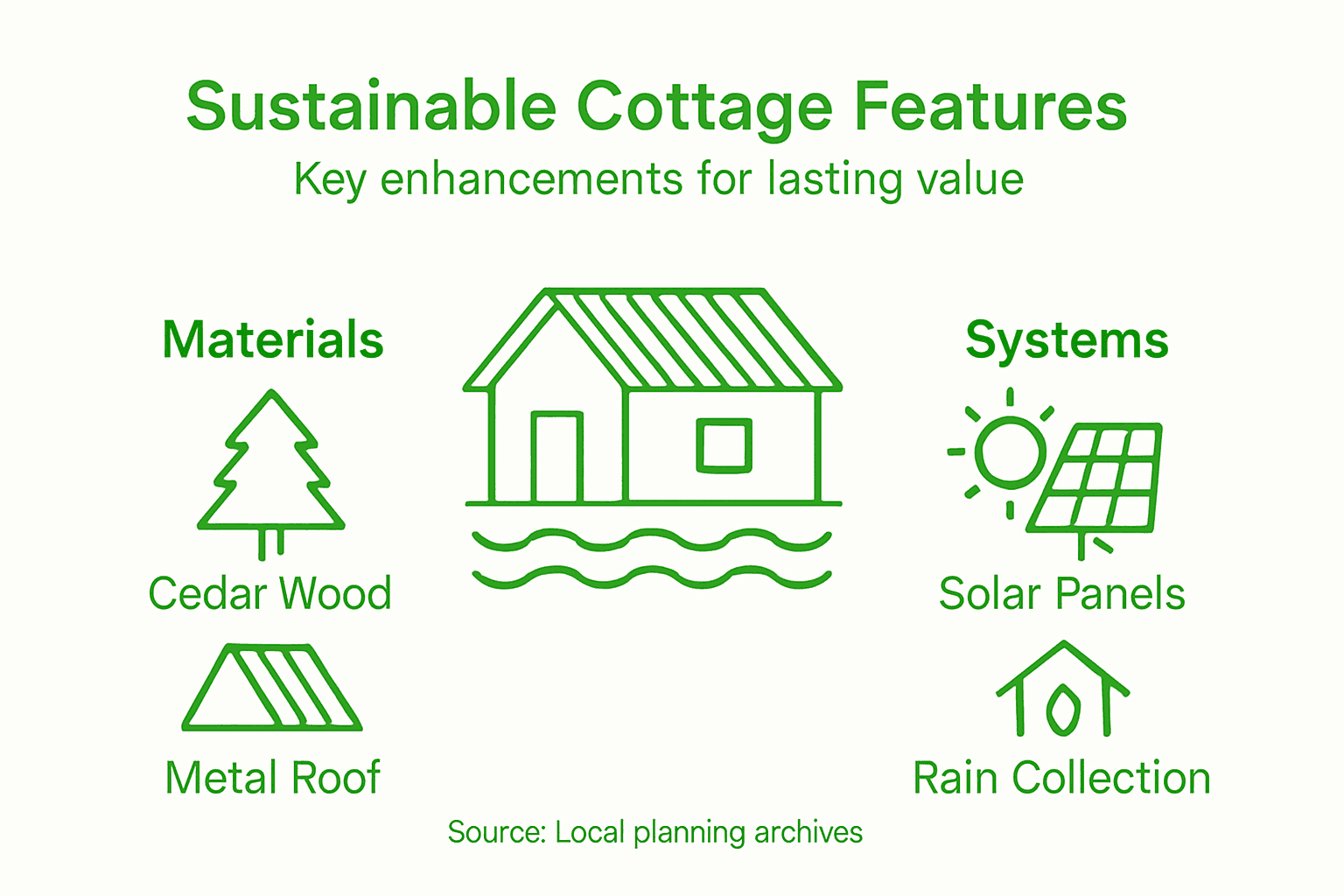
Below is a summary of sustainable features and their long-term benefits for waterfront cottages:
| Sustainable Feature | Description | Benefit for Homeowners |
|---|---|---|
| High-performance insulation | Advanced thermal barrier | Reduces energy bills year-round |
| Passive solar orientation | Maximizes natural sunlight | Improves comfort, lowers costs |
| Renewable energy systems | Solar panels, wind, geothermal | Cuts reliance on grid power |
| Rainwater collection | Gathers water for reuse | Lowers utility and water demand |
| Local material sourcing | Timber/composites from region | Supports the local economy |
Pro tip: Consult with a sustainable design professional who specializes in waterfront properties to develop a comprehensive material and design strategy tailored to your specific site conditions.
Step 4: Engage Professionals and Finalize Design Details
Transforming your waterfront cottage vision from conceptual sketch to detailed architectural plan requires strategic collaboration with skilled professionals who understand the nuanced requirements of custom cottage construction. This pivotal stage bridges imagination and executable design, ensuring your dream becomes a practical, buildable reality.
Hiring experienced cottage specialists helps refine design details that address site-specific challenges. Professional expertise becomes critical in navigating complex design considerations, from structural integrity to environmental adaptability. Your design team will help translate your vision into precise technical drawings that communicate every intricate detail to potential contractors.
- Select architects with waterfront cottage experience
- Choose designers familiar with South Georgian Bay regulations
- Prioritize professionals who understand local environmental conditions
- Verify credentials and review previous project portfolios
- Ensure clear communication channels with your design team
The design finalization process involves creating comprehensive architectural blueprints that account for unique waterfront site characteristics. These detailed plans must incorporate structural requirements, environmental considerations, and your specific lifestyle needs. Professional designers will help you make informed decisions about spatial layout, material selections, and potential future adaptations.
Comprehensive design documentation is the foundation of a successful waterfront cottage build—invest time in getting the details right.
Engaging multiple professionals—such as architects, interior designers, and landscape specialists—ensures a holistic approach to your cottage design. Each expert brings specialized knowledge that contributes to creating a cohesive, functional, and aesthetically pleasing living space that harmonizes with its natural surroundings.
Here’s a comparison of typical professionals involved in a waterfront cottage build and their unique contributions:
| Professional Role | Core Expertise | Key Value for Cottage Build |
|---|---|---|
| Architect | Custom residential design | Adapts plans to waterfront regulations |
| Interior Designer | Space planning, décor solutions | Optimizes for lifestyle and comfort |
| Landscape Specialist | Site grading, native planting | Enhances site resilience and appeal |
| Quality Assurance Expert | Construction compliance, inspections | Ensures lasting safety and durability |
Pro tip: Request a comprehensive design review meeting where all professionals collaborate to identify potential challenges and innovative solutions before finalizing your architectural plans.
Step 5: Verify Construction Standards and Ensure Finishing Quality
Navigating the complex landscape of construction standards and quality assurance is crucial for transforming your waterfront cottage vision into a durable, compliant, and exceptional living space. This phase represents the critical bridge between design and final execution, where every detail matters.
Compliance with Ontario’s Building Code becomes your primary safeguard in ensuring construction meets rigorous health, safety, and structural integrity requirements. Municipal building inspections play a pivotal role, conducting systematic reviews at key construction stages to verify that every aspect of your cottage meets provincial regulations.
- Understand comprehensive building code requirements
- Schedule mandatory municipal inspection points
- Document all compliance verification steps
- Track progress against approved architectural plans
- Maintain detailed communication logs with contractors
Waterfront properties demand an additional layer of scrutiny, especially concerning shoreline structural elements. These components must not only meet building standards but also withstand unique environmental challenges. Professional inspectors will assess foundation integrity, framing quality, insulation effectiveness, electrical and plumbing systems, and final surface finishes.
Quality assurance in waterfront cottage construction is not an expense—it’s an investment in long-term property value and structural reliability.
Engaging independent quality assurance professionals provides an extra layer of verification beyond municipal inspections. These experts can identify potential issues that might be overlooked, ensuring your cottage not only meets minimum standards but exceeds expectations in durability and performance.
Pro tip: Request comprehensive documentation of each inspection stage and maintain a detailed photographic record of construction progress to protect your investment and facilitate future maintenance.
Bring Your Waterfront Cottage Vision to Life with Expert Custom Building
Planning a waterfront cottage requires careful attention to site conditions, sustainable materials, and local building codes to create a retreat that offers lasting value and comfort. If you are seeking to overcome challenges like environmental restrictions, budgeting uncertainties, and complex design decisions, our expert team at Mighton Construction Limited is here to support you every step of the way. With over 30 years of experience serving South Georgian Bay, including Wasaga Beach and Collingwood, we specialize in luxury custom homes and waterfront cottages that balance durability, beauty, and eco-friendly features.
Experience clear communication, exceptional craftsmanship, and a turn-key building process that respects your lifestyle and investment. Discover how our professionals refine your vision into precise, buildable plans while ensuring compliance with all municipal regulations essential for waterfront projects.
Ready to start your custom waterfront cottage journey with trusted local experts? Explore our Custom Home Archives for inspiration and detailed insights. Contact us today through Mighton Construction to schedule a consultation. Together, we will create a sustainable luxury retreat designed for lasting enjoyment and peace of mind. Learn more about our integrated design solutions by visiting our Design Archives. Let us make your waterfront dream a reality now.
Frequently Asked Questions
What are the key steps for planning a waterfront cottage build?
The key steps include assessing the site and securing necessary permits, defining your vision and budget, selecting materials and sustainable features, engaging professionals, and verifying construction standards. Begin by conducting a property survey to understand site specifics and local regulations.
How do I choose the right materials for my waterfront cottage?
Select materials based on durability, weather resistance, and environmental impact. Focus on locally sourced and sustainable materials that can withstand moisture and seasonal challenges, such as high-performance windows and advanced insulation.
What should I consider when setting a budget for my waterfront cottage project?
Establish a comprehensive budget that includes land purchase, permits, construction costs, and a contingency fund for unexpected expenses. Aim to allocate an additional 10-15% buffer to cover unforeseen developments and keep your finances transparent throughout the planning process.
How can I ensure that my cottage design meets local regulations?
Engage professionals like architects and designers who are familiar with local regulations and environmental conditions. Verify that your designs adhere to building codes and conduct regular communication with your team to address any compliance issues promptly.
What is the role of quality assurance in the construction of my waterfront cottage?
Quality assurance ensures that your cottage meets health, safety, and structural integrity standards. Schedule mandatory municipal inspections at key construction stages and consider hiring independent quality assurance professionals to identify potential issues early in the process.