What is ICF construction: guide for luxury custom homes

Many homeowners and developers assume traditional wood frame or masonry construction is the only way to build a luxury home. That misconception often leads to missed opportunities for superior energy efficiency, durability, and long term value. Insulated Concrete Forms, or ICF, offer a modern alternative that combines structural strength with exceptional insulation in a single system. This guide explains what ICF construction entails, why it matters for custom homes in South Georgian Bay, and how it delivers benefits that traditional methods simply cannot match. Understanding ICF technology helps you make informed decisions for your next luxury build or renovation.
Table of Contents
- Key takeaways
- Understanding ICF construction basics
- Advantages of ICF construction for luxury custom homes
- Implementing ICF construction in custom projects in South Georgian Bay
- Comparing ICF with traditional construction methods
- Explore ICF custom homes with Mighton Construction
- What is ICF construction FAQ
Key Takeaways
| Point | Details |
|---|---|
| Energy efficient walls | ICF walls provide continuous insulation and thermal mass that cut heating and cooling needs by 40% to 60% compared with conventional construction. |
| Structural strength | The combination of foam core and steel reinforcement delivers strength that resists hurricane winds up to 250 kilometres per hour and improves seismic performance. |
| Design flexibility | For luxury homes, ICF enables curved walls and complex features and interior finishes attach directly to foam with a wide range of exterior claddings. |
| Moisture resistance | The solid concrete core resists moisture penetration and rot, contributing to durability and lower renovation needs. |
| Regional market trend | There is a growing trend in South Georgian Bay toward sustainable ICF construction for luxury homes. |
Understanding ICF construction basics
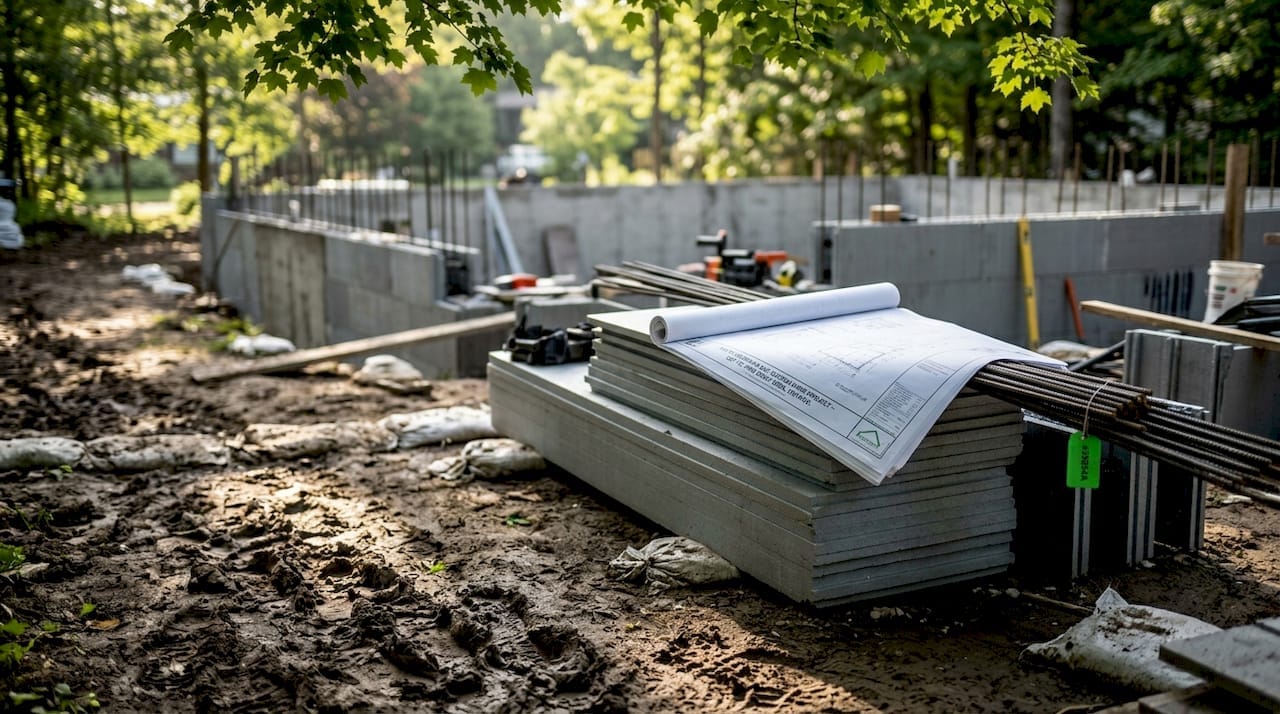
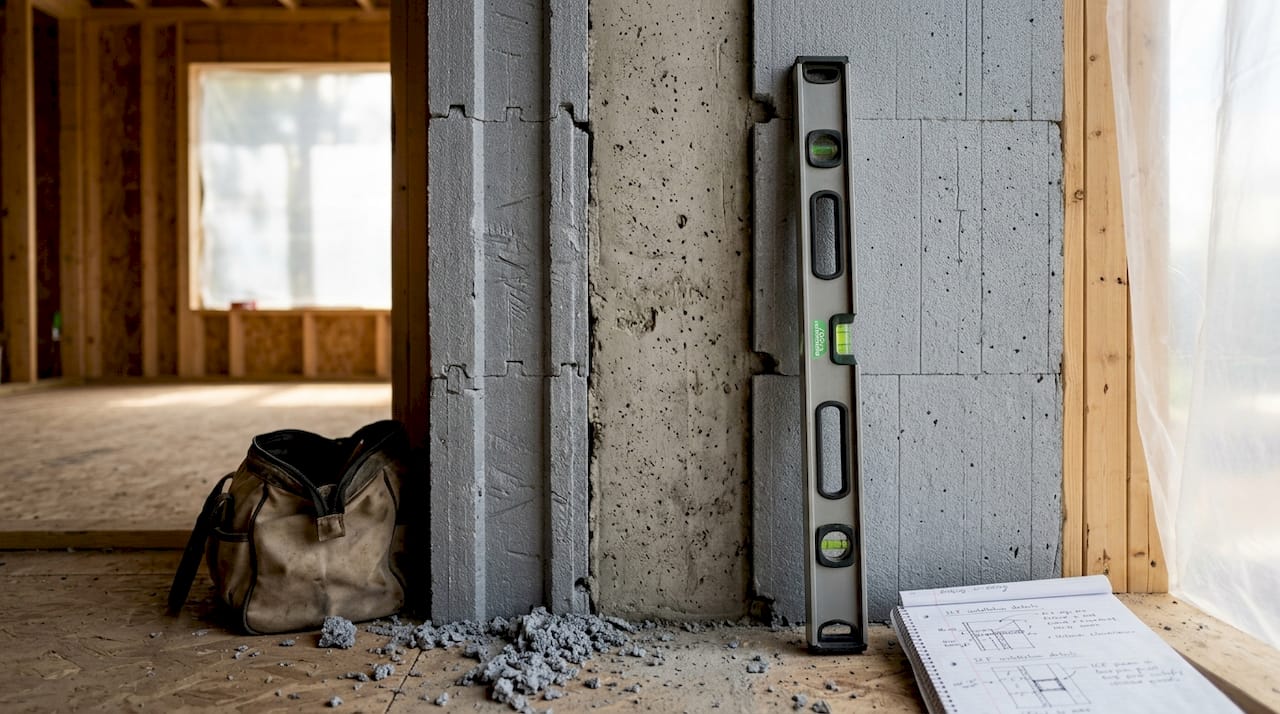
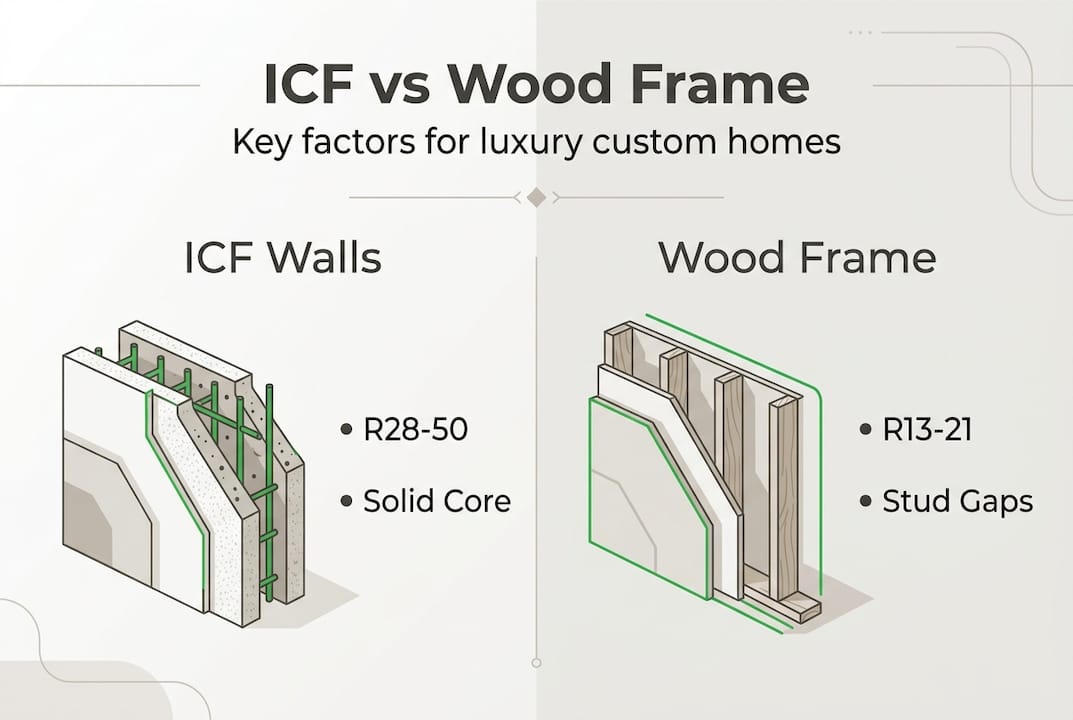
Insulated Concrete Forms are hollow foam blocks or panels that stack together like oversized building blocks to create the walls of a home. Workers stack these forms, insert steel reinforcement bars, then pour concrete into the hollow cavities. Once the concrete cures, the foam stays in place permanently, providing continuous insulation on both sides of the concrete core. This creates a wall system that serves as structure, insulation, and vapour barrier all at once.
The foam panels typically consist of expanded polystyrene, the same material used in high quality coolers. Each form locks into the next, creating a stable framework that holds its shape during the concrete pour. Steel rebar runs vertically and horizontally through the cavities, reinforcing the concrete core and creating exceptional structural strength. The result is a solid wall that can withstand extreme weather, resist moisture penetration, and maintain consistent indoor temperatures year round.
ICF differs fundamentally from traditional wood frame construction. Wood studs create thermal bridges where heat escapes, while the continuous foam in ICF walls eliminates these weak points. Traditional masonry block walls require separate insulation installation, adding time and labour. ICF walls are assembled and installed in a streamlined process that combines multiple steps into one efficient system.
For custom luxury homes, ICF construction offers design flexibility that surprises many builders. The forms accommodate curved walls, custom angles, and complex architectural features. You can finish ICF walls with any exterior cladding, from stone veneer to wood siding to stucco. Interior finishes attach directly to the foam using standard fasteners, making renovation and customisation straightforward. The expert guide to ICF foundations provides detailed technical specifications for planning your project.
Key components of ICF systems include:
- Interlocking foam forms that create the wall framework
- Steel reinforcement bars for structural integrity
- Concrete core that provides mass and strength
- Integrated furring strips for attaching finishes
- Built in channels for electrical and plumbing runs
Advantages of ICF construction for luxury custom homes
Energy efficiency stands out as the most compelling benefit for luxury homeowners. ICF walls deliver R values between R22 and R50, depending on wall thickness and foam type. Traditional wood frame walls typically achieve R13 to R20. This dramatic difference translates to heating and cooling cost reductions of 40% to 60% compared to conventional construction. The concrete core provides thermal mass that stabilises indoor temperatures, reducing the workload on HVAC systems and creating more consistent comfort throughout your home.
Structural strength exceeds building code requirements by substantial margins. ICF walls resist hurricane force winds up to 250 kilometres per hour. They withstand seismic activity better than wood frame construction. For South Georgian Bay homeowners facing harsh winter storms and occasional severe weather, this durability provides genuine peace of mind. The solid concrete core will not rot, warp, or deteriorate over time, maintaining structural integrity for generations.
Soundproofing capabilities transform the living experience in luxury homes. ICF walls reduce exterior noise transmission by 50 decibels or more. You will barely hear traffic, neighbours, or outdoor activities from inside your home. Between interior rooms, ICF walls create private spaces where conversations and activities remain contained. This acoustic performance elevates the sense of luxury and tranquillity that discerning homeowners expect.
Moisture and pest resistance protect your investment long term. Concrete does not support mould growth or provide food for termites and other wood destroying insects. The continuous foam barrier prevents moisture infiltration that leads to rot and structural damage in traditional homes. For waterfront properties and cottages in humid environments, these characteristics prove especially valuable. The benefits of ICF construction include reduced maintenance costs and extended building lifespan.
Environmental benefits align with sustainable building practices increasingly important to luxury homeowners. Lower energy consumption reduces carbon emissions throughout the life of your home. Many ICF products contain recycled content. The durability of ICF construction means fewer resources needed for repairs and renovations over decades. These factors contribute to green building certifications and demonstrate environmental stewardship.
| Feature | ICF construction | Traditional wood frame |
|---|---|---|
| Wall R value | R22 to R50 | R13 to R20 |
| Energy savings | 40% to 60% reduction | Baseline |
| Wind resistance | Up to 250 km/h | Code minimum |
| Sound reduction | 50+ decibels | 30 to 40 decibels |
| Maintenance needs | Minimal over 50+ years | Regular repairs required |
Pro Tip: Schedule your ICF pour during moderate weather conditions. Extreme cold or heat can affect concrete curing times and require additional measures to maintain proper temperature during the critical first 48 hours.
Implementing ICF construction in custom projects in South Georgian Bay
Planning an ICF project begins with site assessment and foundation design. Your builder evaluates soil conditions, drainage requirements, and local building codes. ICF foundations often extend below the frost line, providing a stable base that resists heaving and settling. The foundation walls integrate seamlessly with above grade ICF walls, creating a continuous insulated envelope from footing to roof line.
Budgeting for ICF construction requires understanding both upfront costs and long term value. Material costs for ICF typically run 5% to 10% higher than wood frame construction. Labour costs may increase slightly due to the specialised nature of ICF installation. However, energy savings begin immediately and compound over decades. Reduced maintenance expenses offset initial premiums. Insurance companies often offer discounts for ICF homes due to superior fire and storm resistance. The ICF custom homes in Collingwood showcase real projects with transparent cost discussions.
Selecting a qualified contractor makes the difference between a successful project and costly problems. Look for builders with documented ICF experience, not just general construction credentials. Ask to visit completed ICF projects and speak with previous clients. Verify that the contractor maintains proper insurance and licensing. An expert ICF contractor brings knowledge of local building codes, weather considerations, and proven installation techniques specific to South Georgian Bay conditions.
Typical project timelines for ICF custom homes:
- Design and permitting phase lasting 8 to 12 weeks
- Site preparation and foundation work requiring 3 to 4 weeks
- ICF wall assembly and concrete pours over 4 to 6 weeks
- Roof installation and exterior finishing taking 6 to 8 weeks
- Interior systems and finishes spanning 12 to 16 weeks
- Final inspections and occupancy within 36 to 46 weeks total
Common challenges include coordinating concrete deliveries, managing weather delays during pours, and ensuring proper bracing during assembly. Experienced contractors anticipate these issues and build contingencies into schedules. Proper planning prevents the rushed decisions that compromise quality. Communication between your builder, concrete supplier, and trades ensures smooth coordination throughout the build process.
Pro Tip: Plan your electrical and plumbing layouts carefully before the concrete pour. While ICF forms include channels for running utilities, making changes after the concrete cures requires cutting into the foam and can compromise insulation performance.
Comparing ICF with traditional construction methods
Energy performance differences between ICF and wood frame construction become apparent within the first heating season. ICF homes maintain stable indoor temperatures with minimal HVAC cycling. Wood frame homes experience temperature swings as exterior conditions change. The thermal mass in ICF walls absorbs heat during the day and releases it gradually at night, reducing peak heating and cooling loads. This thermal stability creates comfort that homeowners notice immediately and appreciate increasingly over time.
Build speed varies depending on crew experience and project complexity. Skilled ICF installers often match or exceed wood frame construction timelines. The forms stack quickly, and a single concrete pour completes the structural shell. Wood frame construction requires separate steps for framing, sheathing, house wrap, and insulation installation. Weather delays affect wood frame projects more severely, as exposed framing materials can absorb moisture. ICF construction proceeds in most weather conditions, maintaining schedule momentum.
Long term maintenance requirements favour ICF construction substantially. Wood frame homes need regular inspection for rot, insect damage, and structural settling. Siding and trim require periodic painting or replacement. ICF homes eliminate wood related maintenance entirely. The concrete core never needs structural repairs under normal conditions. Exterior finishes attach to the foam substrate, which provides a stable, moisture resistant base that extends the life of cladding materials. The benefits of ICF foundations include decades of worry free structural performance.
Cost analysis must consider lifecycle value, not just initial construction expense. ICF homes command premium resale prices due to energy efficiency and durability. Lower utility bills provide measurable monthly savings. Reduced insurance premiums compound over years. Maintenance cost avoidance adds up substantially over a 30 year ownership period. When you calculate total cost of ownership, ICF construction often proves less expensive than traditional methods despite higher upfront investment.
Environmental impact comparisons show clear advantages for ICF construction:
- Carbon footprint reduced by 40% to 60% through lower energy consumption
- Minimal construction waste compared to wood frame cut offs and packaging
- Longer building lifespan reduces demolition and replacement cycles
- Recyclable foam and concrete components at end of service life
- Indoor air quality benefits from reduced moisture and mould risk
| Comparison factor | ICF construction | Wood frame construction |
|---|---|---|
| Initial material cost | 5% to 10% premium | Baseline |
| Energy efficiency | 40% to 60% better | Standard performance |
| Maintenance over 30 years | Minimal structural work | Regular repairs needed |
| Insurance premiums | 10% to 25% discount | Standard rates |
| Resale value premium | 5% to 15% higher | Market baseline |
Explore ICF custom homes with Mighton Construction
Mighton Construction brings over 30 years of local expertise to ICF custom home projects throughout South Georgian Bay. We specialise in luxury builds that combine cutting edge construction technology with timeless design principles. Our team understands the unique challenges of building in Wasaga Beach, Collingwood, and surrounding communities, from soil conditions to weather patterns to local building codes.
Every project begins with a detailed consultation where we discuss your vision, budget, and timeline. We guide you through material selections, design options, and construction methods that align with your goals. Our transparent communication ensures you understand each decision and its implications for your finished home. Explore our gallery of completed custom homes in South Georgian Bay to see the quality and attention to detail we deliver. Whether you are planning an ICF custom home in Collingwood or an ICF custom home in Wasaga Beach, we provide the expertise and craftsmanship your luxury project deserves.
What is ICF construction FAQ
What exactly is ICF construction?
ICF construction uses interlocking foam forms filled with reinforced concrete to create building walls. The foam remains in place after the concrete cures, providing permanent insulation on both sides of the concrete core. This creates a wall system that combines structure, insulation, and vapour barrier in one integrated assembly.
How much more does ICF construction cost compared to traditional building?
ICF construction typically costs 5% to 10% more upfront than wood frame building. However, energy savings of 40% to 60% on heating and cooling costs begin immediately. Insurance discounts, reduced maintenance expenses, and higher resale values offset the initial premium within several years of ownership.
How long do ICF homes last?
ICF homes easily exceed 100 years of service life with minimal structural maintenance. The concrete core does not rot, warp, or deteriorate under normal conditions. The continuous insulation maintains its R value indefinitely, unlike fibreglass batts that can settle or absorb moisture over time.
What kind of energy savings can I expect with ICF construction?
Homeowners typically see heating and cooling cost reductions of 40% to 60% compared to similar sized wood frame homes. The exact savings depend on home size, window quality, HVAC efficiency, and local climate. The thermal mass in ICF walls stabilises indoor temperatures, reducing HVAC cycling and extending equipment life.
How do I find a qualified ICF contractor in South Georgian Bay?
Look for builders with documented ICF project experience and ask to visit completed homes. Verify proper licensing and insurance coverage. Request references from previous clients and follow up with detailed questions about communication, timeline adherence, and problem resolution. How to build with ICF foundations provides additional guidance on contractor selection and project planning.