Site Preparation – Why It Matters for Custom Homes

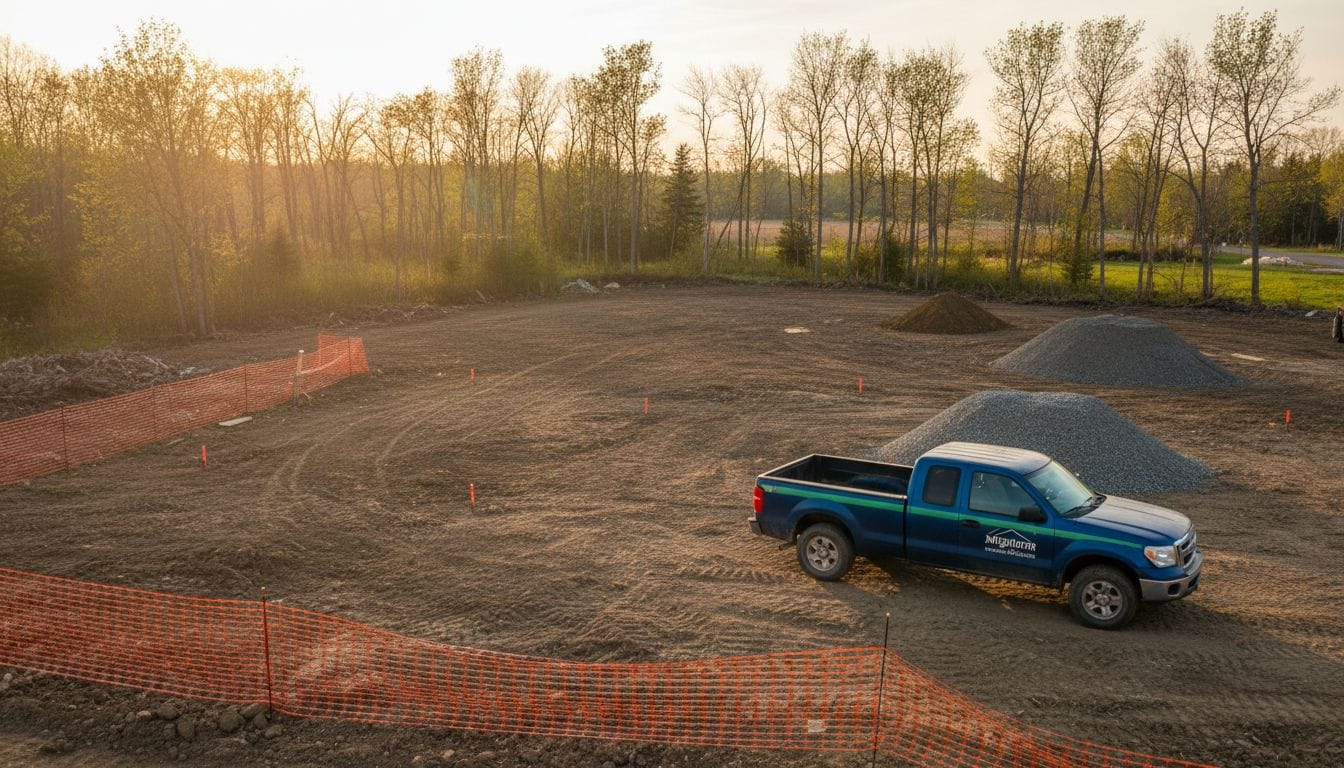
Building a luxury home in South Georgian Bay demands more than elegant design and quality materials. The process starts with strategic site preparation, where land assessment, environmental review, and meticulous groundwork set the stage for enduring structural strength and regulatory compliance. For affluent homeowners and property investors, understanding the nuances of site-built custom home preparation is key to protecting your investment and ensuring smooth progress from concept to completion.
Table of Contents
- What Site Preparation Involves For Homes
- Essential Steps In The Site Preparation Process
- Different Methods And Techniques Used
- Permits, Codes, And Legal Requirements
- Costs, Risks, And Common Pitfalls
- Sustainability And Modern Best Practices
Key Takeaways
| Point | Details |
|---|---|
| Site Preparation Importance | Site preparation is crucial for custom home construction, ensuring stability and compliance with regulations. |
| Environmental Considerations | Comprehensive land assessments and erosion control measures are essential to maintain environmental balance during construction. |
| Regulatory Compliance | Adherence to local building codes and acquiring necessary permits is vital to avoid costly delays and legal issues. |
| Sustainable Practices | Incorporating sustainable techniques and advanced technologies can significantly reduce ecological impact while enhancing construction efficiency. |
What Site Preparation Involves for Homes
Site preparation represents the critical first phase in custom home construction, laying the groundwork for a structurally sound and resilient residential structure. Essential foundation work involves multiple complex processes that ensure your custom home’s long-term stability and performance.
The site preparation process begins with comprehensive land assessment and environmental evaluation. This initial stage includes several key activities:
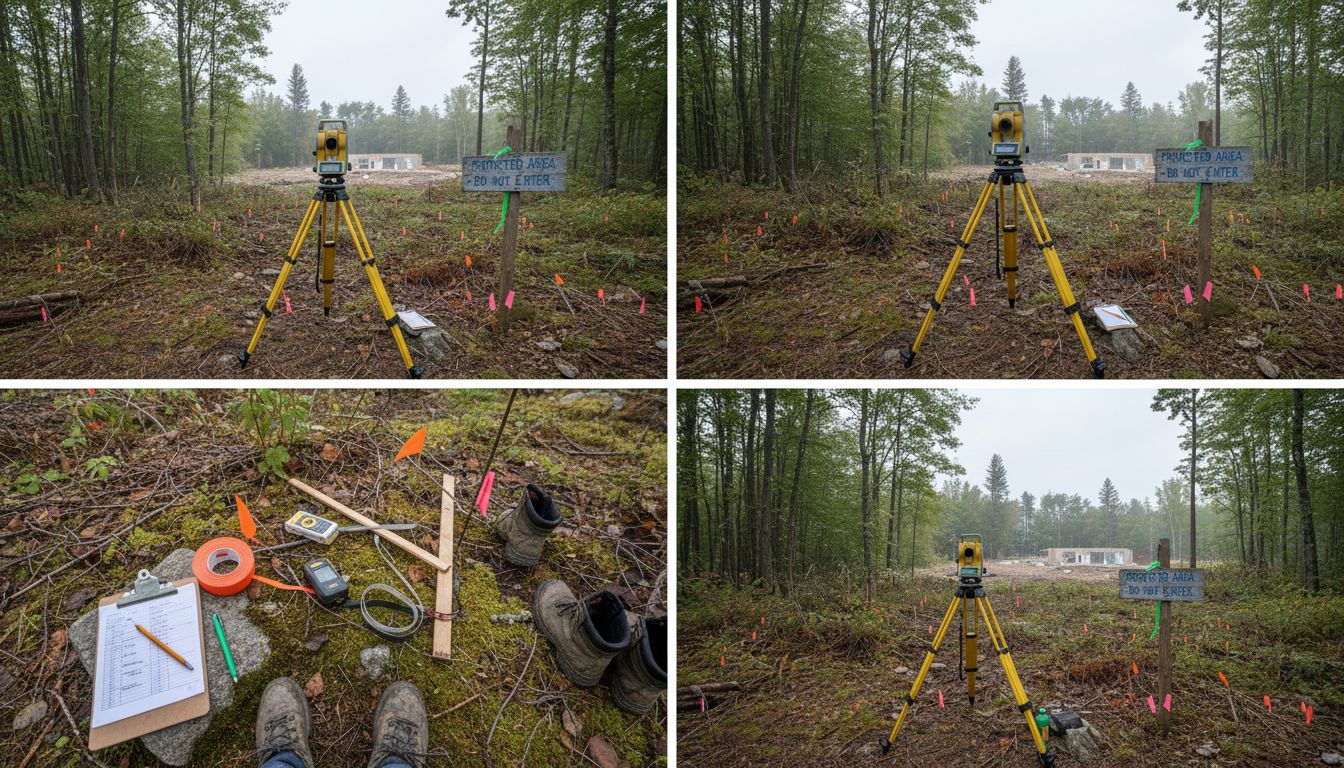
- Land surveying to determine precise property boundaries
- Soil testing to assess ground composition and load-bearing capacity
- Topographical mapping to understand natural terrain characteristics
- Drainage analysis to prevent potential water management issues
Professional site preparation also requires meticulous groundwork that extends beyond basic clearing. Contractors must carefully grade the land, removing vegetation, rocks, and debris while maintaining the natural contour of the terrain. This process ensures proper drainage, prevents future structural challenges, and creates an optimal building surface.
Utility infrastructure represents another crucial aspect of site preparation. Skilled teams will map and prepare connections for essential services like water, electricity, sewage, and telecommunications. This involves:
- Identifying underground utility lines
- Establishing precise connection points
- Preparing trenches and conduits for service infrastructure
- Coordinating with local municipal authorities for compliance
Regulatory compliance plays a fundamental role in site preparation. Local building codes and zoning regulations dictate specific requirements for land use, setbacks, environmental protection, and construction standards. Professional custom home builders must navigate these complex guidelines to ensure legal and safe development.
Pro tip: Always conduct a comprehensive geotechnical survey before beginning site preparation to identify potential challenges and prevent costly surprises during construction.
Essential Steps in the Site Preparation Process
Site preparation is a strategic, multi-layered process that demands precision and comprehensive environmental consideration. Essential site preparation protocols require meticulous planning and execution to ensure sustainable, safe, and compliant custom home construction.
The initial phase focuses on comprehensive environmental assessment and strategic land management. Key activities in this critical stage include:
- Detailed terrain mapping to understand natural topography
- Environmental impact evaluation to identify potential ecological sensitivities
- Vegetation analysis to determine preservation strategies
- Soil composition testing to assess ground stability
Erosion control represents a fundamental aspect of responsible site preparation. Professional contractors implement strategic measures to minimise soil disturbance and protect the surrounding landscape. These measures typically involve:
- Installing sediment control barriers
- Creating strategic drainage pathways
- Implementing mulching and seeding techniques
- Establishing buffer zones to protect sensitive areas
Regulatory compliance is paramount throughout the site preparation process. Comprehensive environmental monitoring ensures that every stage of land development adheres to local, provincial, and federal environmental guidelines. This includes managing potential disruptions like noise, traffic, and water source protection.
Utility infrastructure planning demands equal attention. Skilled teams must carefully map underground service lines, coordinate with municipal authorities, and prepare precise connection points for water, electricity, sewage, and telecommunications systems.
Pro tip: Engage a professional environmental consultant early in the site preparation process to conduct a comprehensive ecological assessment and prevent potential regulatory complications.
Different Methods and Techniques Used
Site preparation encompasses a diverse range of mechanical and strategic techniques tailored to unique land characteristics. Mechanical site preparation methods offer nuanced approaches for transforming landscapes while minimizing environmental disruption.
Land clearing and ground modification techniques vary significantly based on terrain, soil composition, and project requirements. Professional contractors typically employ several core methodologies:
- Disc trenching for precise ground manipulation
- Drag scarifying to prepare surfaces with minimal disturbance
- Blading for comprehensive terrain levelling
- Selective clearing to preserve existing ecological features
Each site preparation technique requires careful consideration of multiple environmental and structural factors. Professionals must assess ground conditions, potential regeneration impacts, and long-term stability before selecting an appropriate approach. The selected method directly influences:
- Soil structure and integrity
- Root system preservation
- Water drainage capabilities
- Future foundation stability
Advanced site preparation often integrates sophisticated technologies like GPS-guided grading and laser-levelling to achieve unprecedented precision. These methods allow contractors to create extremely accurate terrain profiles, ensuring optimal building conditions while minimizing unnecessary landscape disruption.
The following table compares key site preparation techniques and their primary advantages in custom home construction:
| Technique | Best For | Key Advantage |
|---|---|---|
| Disc trenching | Compact soils, new sites | Improves drainage efficiency |
| Drag scarifying | Sensitive areas, minimal work | Reduces soil disturbance |
| Blading | Large, uneven terrains | Achieves precise levelling |
| Selective clearing | Ecological preservation zones | Maintains native vegetation |
Ecological sensitivity remains paramount during site preparation. Contractors must balance technical requirements with environmental preservation, selecting techniques that minimize soil compaction, protect existing vegetation, and maintain natural drainage patterns.
Pro tip: Consult a geotechnical engineer to conduct comprehensive site analysis before selecting your specific site preparation technique to prevent potential long-term structural challenges.
Permits, Codes, and Legal Requirements
Navigating the complex landscape of permits and legal requirements is a critical aspect of site preparation for custom home construction in Ontario. Comprehensive site preparation permits demand meticulous attention to environmental protection regulations and municipal guidelines.
The permit acquisition process involves multiple critical components that custom home builders must carefully address:
- Environmental compliance documentation
- Sediment and erosion control permits
- Water management certification
- Land use authorization from local authorities
Municipal and provincial regulations establish strict protocols for site preparation activities. Builders must demonstrate comprehensive planning through:
- Detailed site impact assessment reports
- Comprehensive environmental protection strategies
- Precise construction phasing documentation
- Water runoff management plans
Regulatory documentation represents a fundamental requirement in the site preparation process. Professional contractors must maintain meticulously detailed logs that can withstand rigorous municipal and provincial inspections. These records serve as critical evidence of compliance and environmental responsibility.
Legal requirements extend beyond simple paperwork. Local building codes in South Georgian Bay mandate specific environmental protection measures, including:
- Establishing sediment barriers
- Controlling potential water runoff
- Protecting local ecological systems
- Minimizing landscape disruption
Each municipality within Simcoe County may have unique regulatory nuances, requiring builders to develop highly customized compliance strategies that address local environmental sensitivities.
Pro tip: Engage a local permit expediter or environmental consultant familiar with South Georgian Bay regulations to streamline your site preparation permit process and prevent potential regulatory delays.
Costs, Risks, and Common Pitfalls
Site preparation for custom homes involves complex financial and environmental considerations that can significantly impact project success. Site preparation risk management requires strategic planning to mitigate potential costly complications.
Financial risks in site preparation stem from multiple interconnected factors that can escalate project expenses:
- Terrain complexity affecting excavation costs
- Soil condition requiring specialized remediation
- Environmental control measures and potential mitigation expenses
- Unexpected underground obstacles leading to budget overruns
Common pitfalls that dramatically increase project costs and timelines include:
- Inadequate initial site assessment
- Poor drainage planning
- Insufficient sediment control strategies
- Lack of comprehensive environmental monitoring
Regulatory non-compliance represents a substantial financial risk. Contractors who fail to implement proper environmental protection measures may face significant penalties, including:
- Substantial fines from municipal authorities
- Project delays and potential shutdowns
- Mandatory remediation expenses
- Potential legal complications
Construction activity sequencing plays a critical role in managing both financial risks and environmental impacts. Improper phasing can lead to mud tracking, erosion, and uncontrolled sediment runoff, causing exponential increases in project costs.
Here is a summary of common risks, their impacts, and how to mitigate them during site preparation:
| Common Risk | Potential Impact | Suggested Mitigation |
|---|---|---|
| Poor initial assessment | Unexpected delays | Conduct thorough site inspections |
| Improper drainage design | Water accumulation | Design tailored drainage systems |
| Environmental non-compliance | Costly fines | Ensure ongoing regulatory reviews |
| Encountering underground obstacles | Project stoppage | Perform pre-excavation scanning |
Pro tip: Invest in a comprehensive geotechnical survey and environmental impact assessment before beginning site preparation to identify potential risks and avoid costly surprises during construction.
Sustainability and Modern Best Practices
Sustainable site preparation has evolved into a sophisticated approach that balances ecological preservation with construction efficiency. Low impact development strategies are transforming how custom home builders approach land development in environmentally sensitive regions.
Modern sustainable site preparation focuses on minimizing ecological disruption through strategic practices:
- Vegetation preservation wherever possible
- Minimal ground disturbance techniques
- Native landscape restoration
- Erosion control systems
Best Management Practices (BMPs) play a crucial role in sustainable site preparation. Professional contractors now implement comprehensive strategies that go beyond traditional construction methods:
- Implementing advanced sediment control measures
- Using rapid stabilization techniques
- Protecting local water quality
- Minimizing overall environmental footprint
Ecological restoration has become a cornerstone of contemporary site preparation. Sustainable site management practices prioritize long-term environmental health over short-term construction conveniences. This approach involves carefully planned phased construction, strategic vegetation management, and comprehensive ecosystem protection.
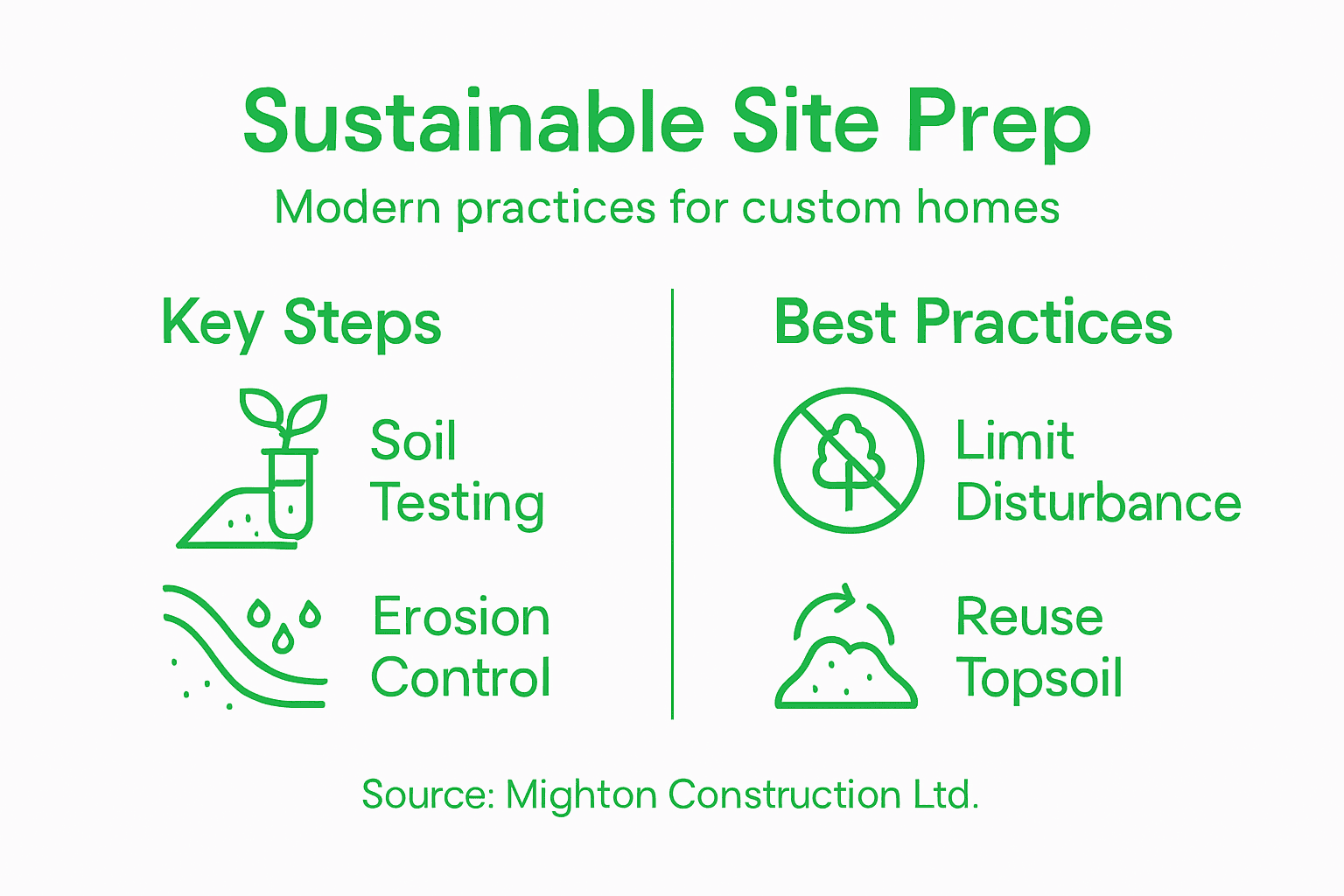
Technology now enables more precise and environmentally conscious site preparation. Advanced techniques like drone mapping, GPS-guided grading, and real-time environmental monitoring allow builders to minimize ecological impact while maintaining high construction standards.
Pro tip: Consult local environmental experts to develop a site-specific sustainability plan that balances construction needs with ecological preservation.
Secure a Solid Foundation for Your Custom Home with Expert Site Preparation
Site preparation is essential to ensure your custom home stands strong and performs well for decades. From thorough soil testing and drainage planning to precise land grading and regulatory compliance, every step shapes the durability and sustainability of your dream home. Without professional expertise, risks like unexpected delays, costly remediation, and environmental non-compliance can undermine your project.
At Mighton Construction Limited, we understand the critical nature of this foundational phase. With over 30 years serving South Georgian Bay communities, our team integrates comprehensive site preparation strategies into every custom home we build. We focus on meticulous planning, quality materials, and sustainable practices that respect local regulations and ecological sensitivities.
Do not leave your home’s future to chance. Contact Mighton Construction today to ensure expert site preparation underpins your custom home project from day one. Visit our main site at Mighton Construction to explore how our trusted approach to custom homes in Wasaga Beach and beyond delivers lasting peace of mind and exceptional craftsmanship.
Frequently Asked Questions
What is involved in the site preparation process for custom homes?
Site preparation includes land assessment, soil testing, topographical mapping, and drainage analysis, followed by groundwork, utility infrastructure planning, and ensuring regulatory compliance.
Why is soil testing important during site preparation?
Soil testing is essential to assess the ground composition and load-bearing capacity, which ensures the stability and longevity of the home’s foundation.
How do local regulations impact site preparation for custom homes?
Local building codes and zoning regulations dictate requirements for land use, environmental protection, and construction standards, which builders must navigate to ensure legal compliance.
What are the common risks associated with site preparation?
Common risks include poor initial assessments, inadequate drainage planning, environmental non-compliance, and unexpected underground obstacles, which can lead to increased project costs and delays.
Recommended
- What Is Custom Home Construction? Complete Overview
- 8 Essential Steps for Your Custom Home Checklist Success
- How to Plan a Custom Home for Luxury Living Success
- Custom Home Project Workflow: Step-by-Step Guide for Success
- Step by Step Hot Tub Setup for UK Homeowners - ClearSpa™