Role of Architect in Construction – Impact on Custom Homes

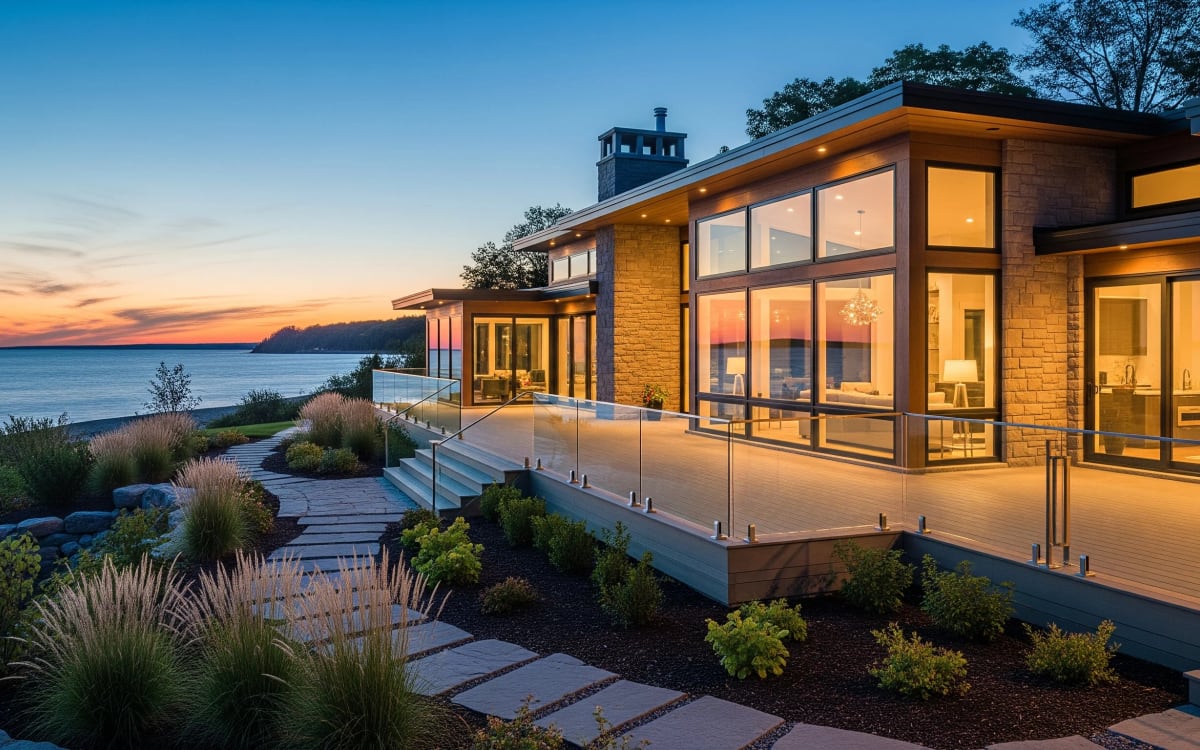
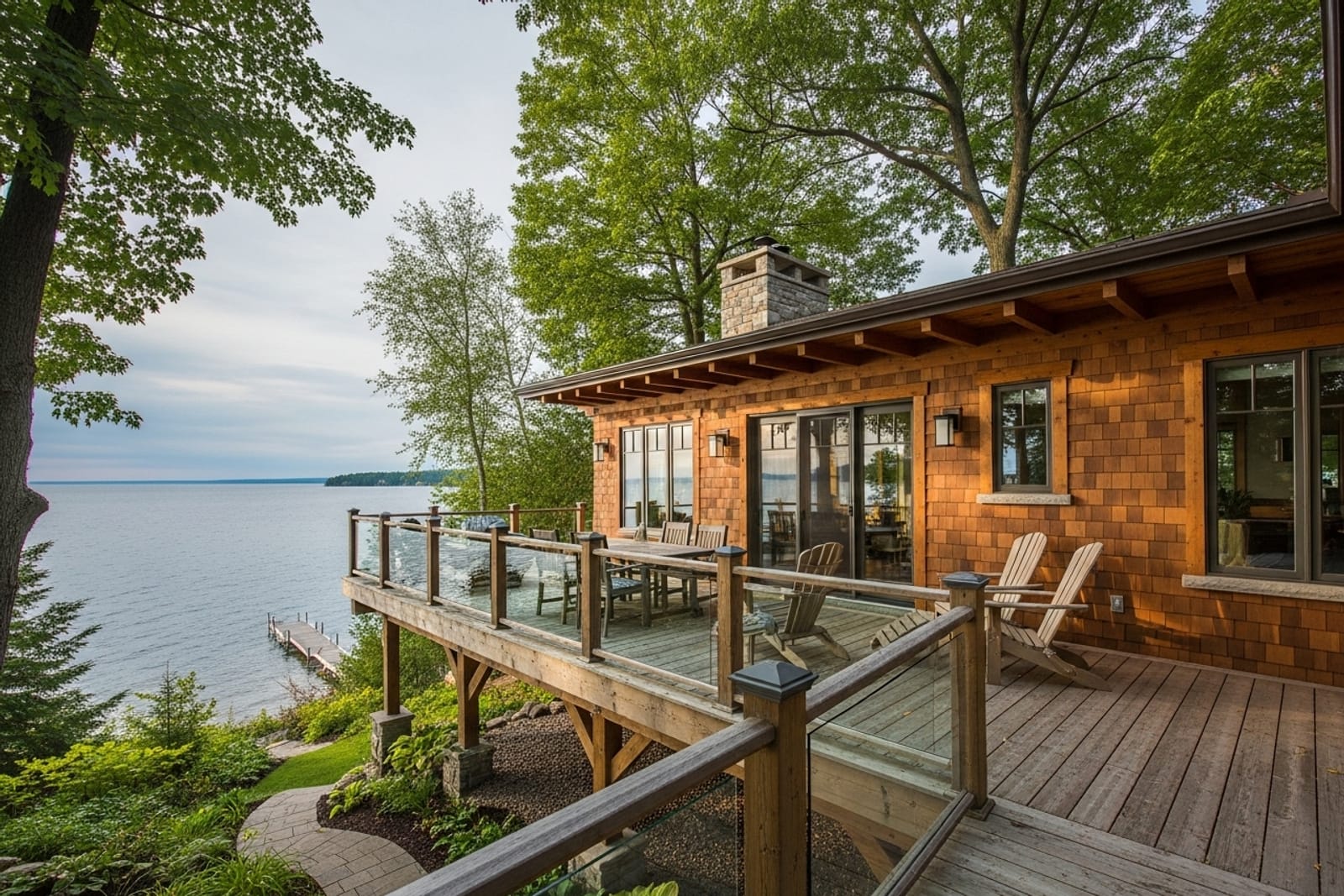
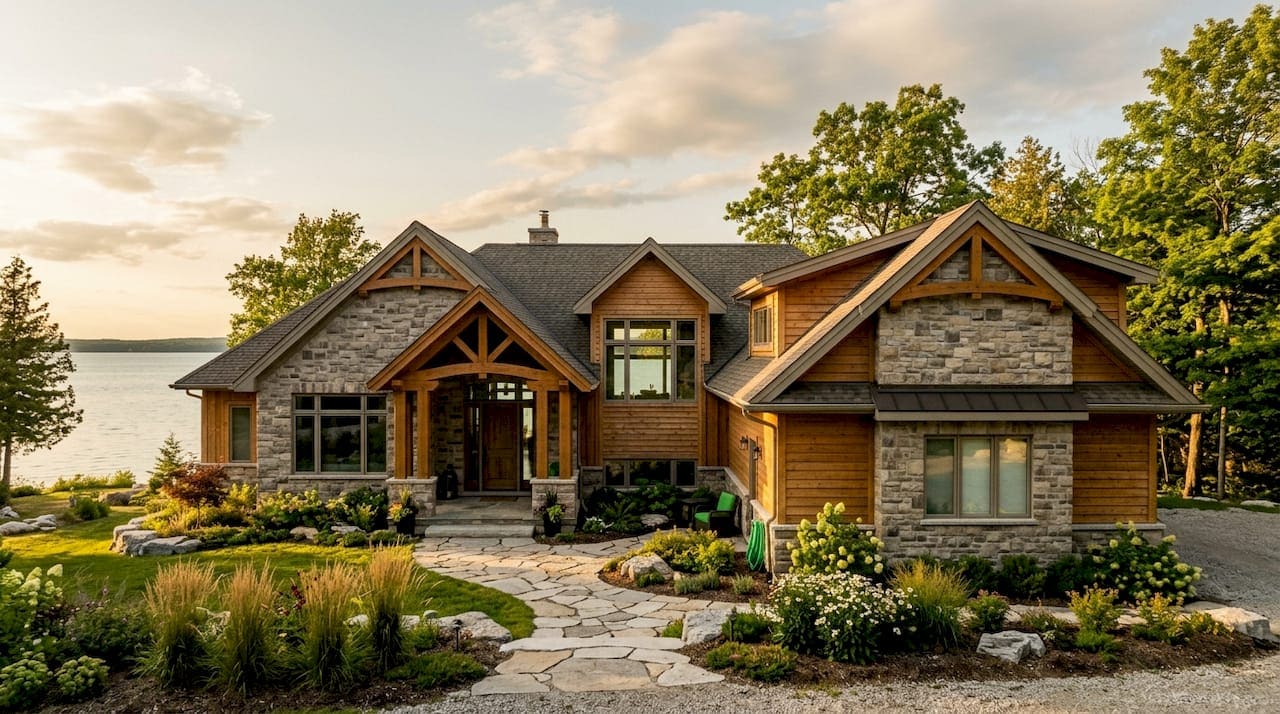
Building or renovating a luxury custom home in South Georgian Bay comes with high expectations and unique challenges. The role of the architect goes far beyond drawing beautiful designs: these professionals provide crucial expertise in guiding every stage from initial concept to final construction. With technical mastery and a clear understanding of local regulations, architects bring creative vision and strategic coordination, helping homeowners turn bold ideas into exceptional, lasting spaces that maximize both style and function.
To see where design fits in the whole sequence, read our custom home building process, from site visit through handover.
Table of Contents
- Defining The Architect’s Role In Construction
- Types Of Architects In Residential Projects
- From Vision To Plans: Design And Documentation
- Navigating Permits, Codes, And Local Regulations
- Architect’s Responsibilities During Construction
- Collaboration With Builders And Homeowners
Key Takeaways
| Point | Details |
|---|---|
| Architects are Integral to Construction Success | They combine technical skills and creative problem-solving to ensure project objectives are met through all phases of construction. |
| Specialisations in Residential Architecture | Different types of architects focus on specific residential needs, such as custom homes, renovations, and sustainable design. |
| Comprehensive Design and Documentation | The process transforms initial concepts into detailed plans, ensuring technical compliance and facilitating effective communication among stakeholders. |
| Regulatory Navigation and Oversight | Architects play a critical role in ensuring compliance with building codes and regulations, while also overseeing construction quality and integrity. |
Defining the Architect’s Role in Construction
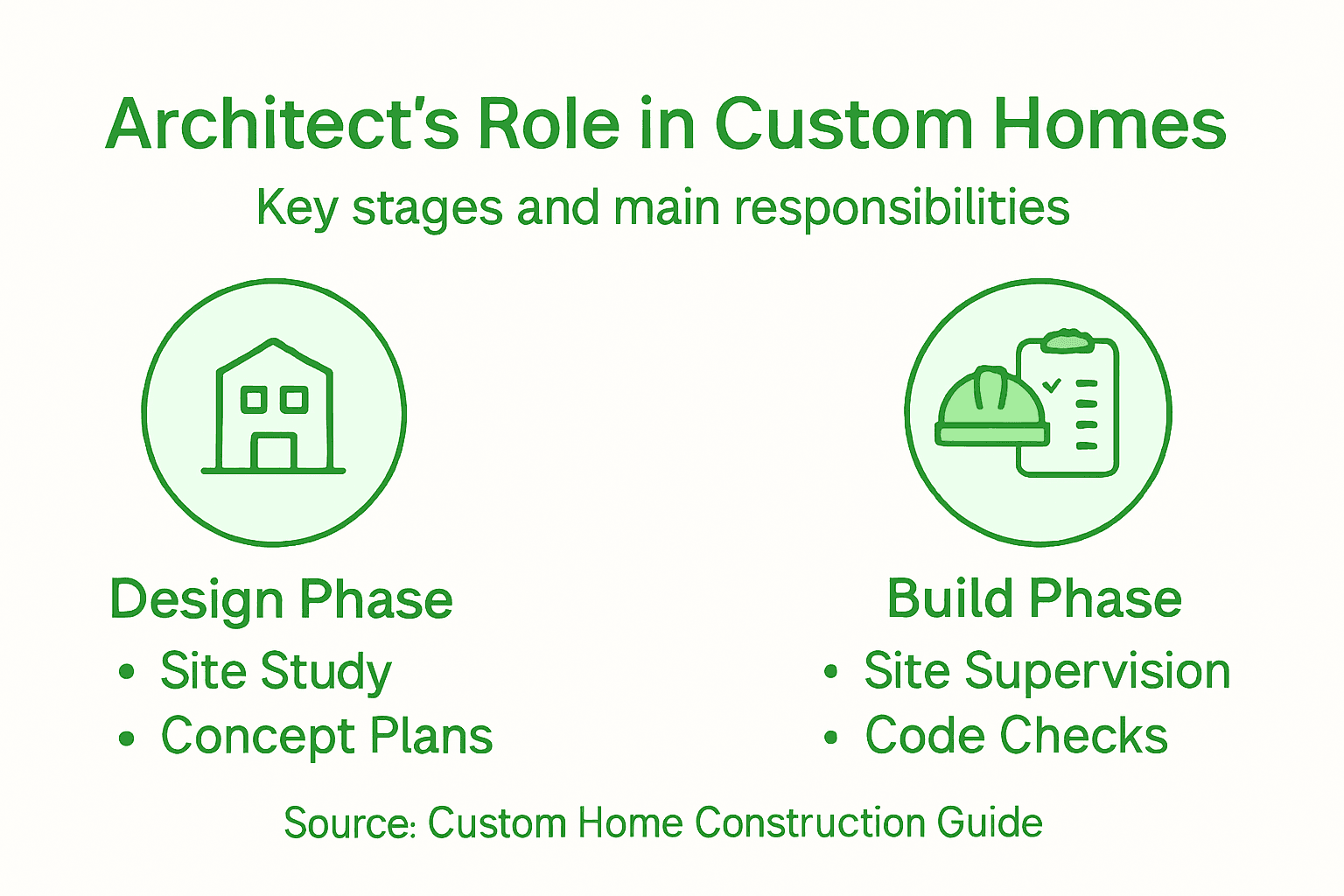
Architects are essential professionals who transform construction projects from conceptual visions into tangible, functional spaces. Their role extends far beyond creating aesthetic designs, encompassing complex responsibilities that ensure a project’s success from initial planning through final construction. Architects synthesize project components by integrating technical expertise, creative problem solving, and strategic coordination.
The architectural process involves multiple critical stages that require deep technical knowledge and comprehensive project management skills. Key responsibilities include conducting feasibility studies, developing schematic designs, creating detailed construction documentation, and providing administrative oversight during the building process. Consulting architects guide every project phase to align with client objectives, regulatory requirements, and industry standards, ensuring quality and compliance throughout the construction journey.
Within custom home construction, architects play an especially nuanced role. They translate client dreams into precise architectural plans, balancing aesthetic preferences with structural integrity, building code requirements, and site-specific environmental considerations. Their expertise helps homeowners navigate complex design challenges, select appropriate materials, and create spaces that are not just visually appealing but functionally exceptional.
Pro tip: When selecting an architect for your custom home project, request a comprehensive portfolio that demonstrates experience with projects similar to your vision and specific local building regulations.
Types of Architects in Residential Projects
Residential architecture represents a diverse and specialised field with multiple architectural approaches tailored to different homeowner needs and project specifications. Architects may specialize in specific residential design categories, ranging from single-family home design to complex multi-unit residential developments. These specializations allow architects to develop deep expertise in particular housing typologies and design challenges.
The primary categories of residential architects include custom home designers, renovation specialists, sustainable design experts, heritage conservation architects, and multi-family residential planners. Custom home architects focus on creating unique, personalised living spaces that reflect individual client visions and site-specific requirements. Renovation architects specialise in reimagining and transforming existing residential structures, balancing historical integrity with modern functional needs. Sustainable design architects prioritize environmental performance, integrating energy-efficient technologies and eco-friendly materials into residential projects.
Residential project architects perform comprehensive design services, including client consultations, conceptual design development, detailed plan creation, construction document preparation, and on-site project monitoring. Their role extends beyond aesthetic considerations, encompassing technical expertise in structural engineering, building code compliance, material selection, and spatial optimization. Each specialization requires a nuanced understanding of architectural principles, local building regulations, and emerging design technologies.
Pro tip: When selecting a residential architect, prioritize professionals with demonstrated expertise in your specific project type and a portfolio showcasing successful designs that align with your architectural vision and functional requirements.
Here’s an overview of major residential architect specializations and their core focus:
| Specialization | Core Focus | Typical Projects |
|---|---|---|
| Custom Home Designer | Unique, bespoke living spaces | Luxury homes, new builds |
| Renovation Architect | Modernizing existing structures | Home additions, restorations |
| Sustainable Design Specialist | Environmental performance | Net-zero homes, green retrofits |
| Heritage Conservation Expert | Preserving historical features | Heritage home upgrades |
| Multi-Family Planner | Collective residential solutions | Apartment buildings, condos |
From Vision to Plans: Design and Documentation
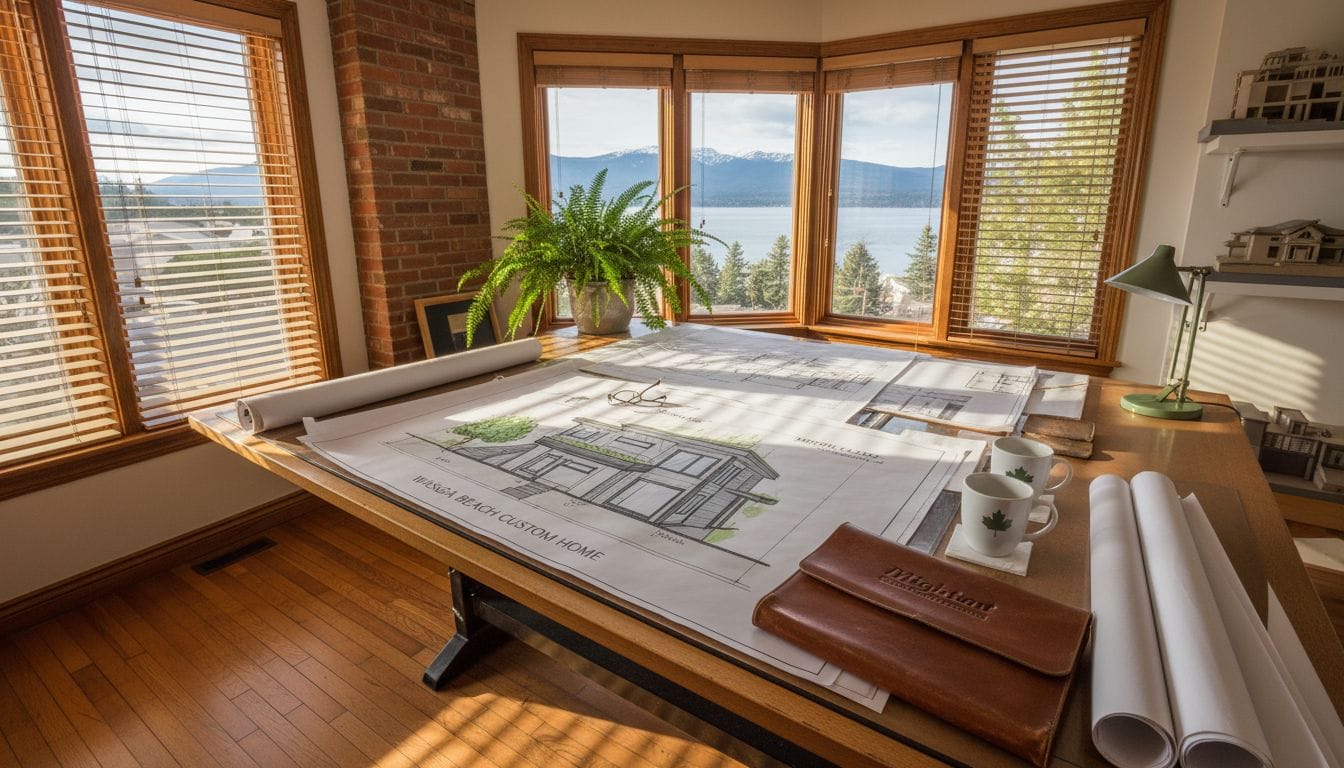
The journey from initial concept to comprehensive architectural design is a meticulously structured process that transforms abstract ideas into precise, actionable plans. Architects develop comprehensive design strategies that bridge client imagination with technical feasibility, creating detailed blueprints that serve as critical roadmaps for construction teams.
The design and documentation process typically unfolds through several interconnected stages. Initial programming involves deep client consultations to understand functional requirements, lifestyle needs, and aesthetic preferences. Schematic design follows, where preliminary conceptual drawings explore spatial arrangements, building orientation, and fundamental design principles. During design development, these initial concepts are refined, with architects integrating structural considerations, material selections, and detailed spatial relationships. Detailed construction documents represent the culmination of this process, transforming conceptual designs into technical drawings that provide explicit instructions for builders.
Canadian architectural competency frameworks mandate rigorous documentation standards, ensuring that every architectural plan meets stringent professional and regulatory requirements. These comprehensive documents include precise architectural drawings, structural engineering specifications, mechanical and electrical system plans, and detailed material specifications. Each drawing must communicate intricate design intentions while simultaneously addressing building code compliance, environmental considerations, and technical constructability.
Pro tip: Request digital and physical copies of your architectural plans, and ensure you thoroughly review and understand each drawing’s technical details before construction begins.
The stages of architectural design and documentation can be summarised as follows:
| Stage | Main Activity | Typical Outcome |
|---|---|---|
| Programming | Client needs analysis | Project brief, requirements |
| Schematic Design | Conceptual spatial planning | Preliminary floor plans |
| Design Development | Integration of structural elements | Detailed design drawings |
| Construction Docs | Technical specifications preparation | Final building plans |
Navigating Permits, Codes, and Local Regulations
Building a custom home involves complex regulatory landscapes that require meticulous navigation through municipal, provincial, and national building codes. Architects facilitate regulatory compliance by serving as critical intermediaries between homeowners, contractors, and local authorities, ensuring every aspect of the construction meets legal requirements.
The permit and regulatory process encompasses multiple critical stages. Initial submissions typically require comprehensive documentation demonstrating how proposed designs align with zoning regulations, environmental standards, structural safety codes, and municipal land-use guidelines. Architects must prepare detailed plans that showcase compliance with energy efficiency standards, accessibility requirements, setback regulations, and specific local building restrictions. These documents undergo rigorous review by municipal building departments, which assess technical specifications, structural integrity, and adherence to established community development standards.
Integrated design processes involve collaborative regulatory navigation, bringing together architects, engineers, municipal officials, and specialized consultants to address potential regulatory challenges proactively. This collaborative approach helps identify potential compliance issues early, reducing potential delays, redesign costs, and regulatory complications. Architects play a pivotal role in interpreting complex building codes, translating technical regulatory language into actionable design modifications that satisfy both legal requirements and client vision.
Pro tip: Request a comprehensive regulatory compliance checklist from your architect, ensuring you understand every potential permitting requirement before breaking ground on your custom home project.
Architect’s Responsibilities During Construction
During the construction phase, architects play a critical oversight role that extends far beyond initial design conception. Architects conduct periodic field reviews to ensure construction aligns with contract documents and quality standards, providing essential guidance without direct worker supervision.
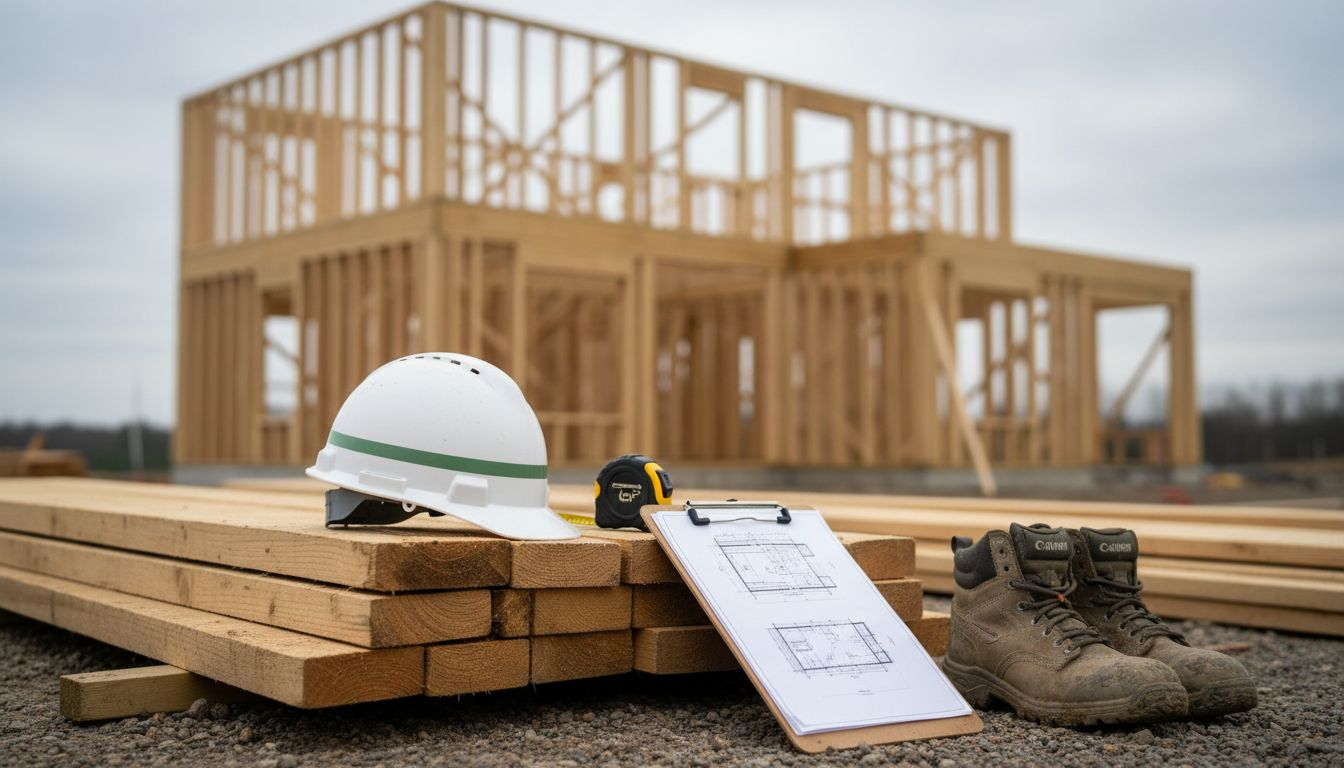
The architect’s construction responsibilities encompass several key functions. They act as a vital communication bridge between homeowners, contractors, and various technical specialists, interpreting contract documents and issuing supplemental instructions when necessary. This involves coordinating structural, mechanical, and electrical engineers, reviewing contractor progress claims, and addressing potential design implementation challenges. By maintaining rigorous documentation and conducting site inspections, architects help mitigate risks and ensure the project remains true to its original design intent.
Construction oversight involves comprehensive quality control, with architects serving as the primary guardians of design integrity. They evaluate material selections, monitor construction techniques, verify compliance with building codes, and provide expert recommendations when unexpected challenges arise. Their nuanced understanding of architectural principles allows them to make critical real-time decisions that preserve both the aesthetic vision and structural soundness of the custom home project.
Pro tip: Request regular written site review reports from your architect to stay informed about construction progress and any potential design implementation challenges.
Collaboration With Builders and Homeowners
Successful custom home construction requires seamless communication and strategic collaboration among all project stakeholders. Construction design teams coordinate complex interactions between architects, builders, contractors, and homeowners, ensuring that each project transforms from conceptual vision to tangible reality through carefully managed professional relationships.
The collaboration process involves multiple critical communication channels and collaborative strategies. Architects serve as primary mediators, translating technical design concepts into understandable language for homeowners while simultaneously communicating client expectations to builders and contractors. This requires exceptional interpersonal skills, technical expertise, and the ability to resolve potential conflicts proactively. Regular project meetings, detailed documentation, and transparent communication protocols help maintain alignment between design intent, client expectations, and practical construction constraints.
Effective collaboration extends beyond verbal communication, encompassing comprehensive documentation, collaborative problem solving, and mutual respect for each stakeholder’s expertise. Architects must balance homeowner aspirations with builders’ practical implementation capabilities, often requiring creative compromise and innovative design solutions. They provide technical guidance to builders, help homeowners understand complex construction processes, and ensure that the final product meets both aesthetic and functional requirements. This collaborative approach minimizes misunderstandings, reduces potential rework, and ultimately delivers a custom home that reflects the collective expertise of all involved parties.
Pro tip: Schedule regular collaborative meetings with your architect and builder, establishing clear communication protocols and documenting all discussions to maintain project transparency and alignment.
Partner With Experts Who Understand the Architect’s Role in Building Your Dream Home
Navigating the detailed responsibilities of architects—from design development to regulatory approvals and construction oversight—can feel overwhelming. You need a builder who not only values architectural integrity but also excels at bridging design with flawless execution. At Mighton Construction Limited, we specialise in transforming architectural visions into luxury custom homes and renovations across South Georgian Bay, including Wasaga Beach, Collingwood, and Blue Mountain. Our 30 years of local expertise ensures your project complies with complex building codes while reflecting your unique style.
Discover why homeowners trust us to manage every phase, from initial concept through to the final nail. Explore our custom home services crafted to complement thoughtful architectural planning. Ready to bring your architect’s plans to life with precision and care? Visit Mighton Construction Limited now and start your journey with a trusted partner who values collaboration and exceptional craftsmanship.
Frequently Asked Questions
What are the main responsibilities of an architect in custom home construction?
Architects are responsible for various stages including conducting feasibility studies, developing schematic designs, creating detailed construction documentation, and overseeing the building process to ensure compliance with regulations and quality standards.
How do architects ensure compliance with building codes during construction?
Architects prepare comprehensive documentation that demonstrates alignment with zoning regulations, energy efficiency standards, and safety codes. They also work closely with municipal building departments to address compliance issues throughout the construction project.
What are the benefits of hiring a specialized residential architect?
Specialized residential architects bring deep expertise in specific project types, whether it’s custom homes, renovations, sustainable design, or heritage conservation. This ensures that your project is handled with the necessary knowledge and experience to meet design and functional requirements.
How can architects facilitate communication between homeowners and builders?
Architects act as intermediaries, translating technical language into understandable terms for homeowners, while clearly conveying client expectations to builders. Regular meetings and transparent communication help ensure alignment and minimize misunderstandings.