7 Essential Custom Home Planning Tips for Luxury Builds
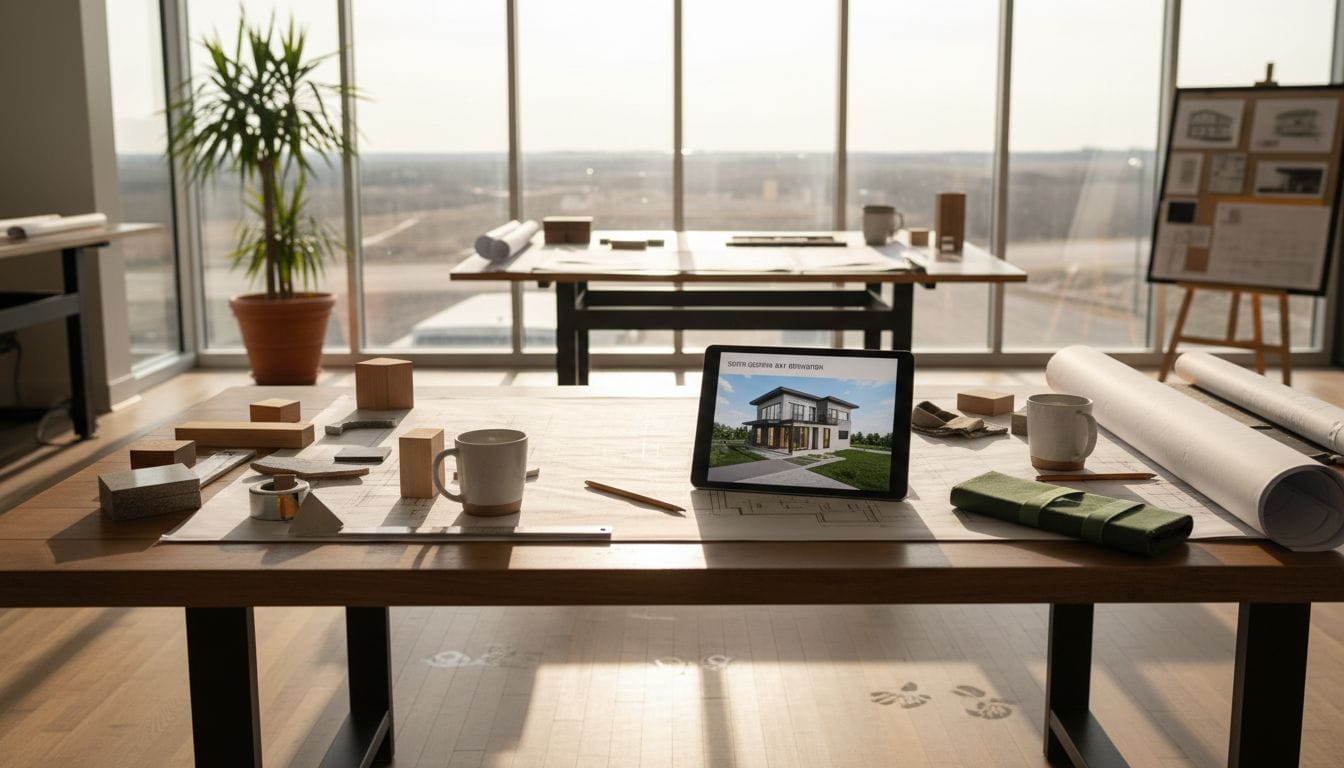
Most Canadian waterfront builds in South Georgian Bay face higher design and construction complexity compared to inland homes. If you want a luxury custom home that blends comfort, style, and sustainability, early planning is key. The right approach helps you craft a residence that reflects your personal vision, responds to waterfront challenges, and delivers long-lasting value for your family.
Table of Contents
- 1. Define Your Vision And List Key Priorities
- 2. Set A Realistic Budget For Quality Living
- 3. Choose The Best Location For Your Needs
- 4. Design For Waterfront And Local Climate
- 5. Incorporate Sustainable Building Practices
- 6. Partner With Skilled Local Professionals
- 7. Plan For Future-Proof Accessibility And Comfort
Quick Summary
Takeaway
Explanation
1. Clearly Define Your Vision
Establish a comprehensive understanding of your desired home, considering lifestyle needs, future adaptability, and personal aesthetics.
2. Develop a Realistic Budget
Create a sustainable budget that includes detailed cost categories, ensuring you’re prepared for potential expenses throughout the project.
3. Select the Optimal Location
Choose a site that meets your lifestyle needs while considering environmental factors and future development potential in your desired area.
4. Prioritize Sustainable Practices
Integrate green technologies and eco-friendly materials to create a luxurious home that minimizes ecological impact while enhancing performance.
5. Ensure Future-Proof Design
Plan for accessibility and adaptability, allowing your home to evolve with your needs without compromising its aesthetic integrity.
1. Define Your Vision and List Key Priorities
Building a luxury custom home starts with crystal clear vision and strategic prioritisation. Your dream home begins not with blueprints or materials, but with a comprehensive understanding of what you truly want from your living space. Custom home planning requires more than aesthetic preferences. You need to deeply consider how your home will function and support your lifestyle. This means thinking beyond square footage and architectural styles to understanding your family’s unique needs, daily rhythms, and long term aspirations. Key Considerations for Vision Development:
- Lifestyle Requirements: Determine how each space will serve your specific needs
- Future Adaptability: Consider potential life changes like family growth or aging in place
- Personal Aesthetics: Define your preferred architectural style and design elements
- Functional Workflow: Map out how you move through and use different home zones
Successful custom home design demands intentional communication. Sit down with your partner or family and have an honest, comprehensive discussion about your collective vision. Document your priorities transparently, creating a shared roadmap that guides every subsequent design decision. Remember that your vision should balance emotional desires with practical constraints. This means reconciling dream features with budgetary realities and site limitations while maintaining your core design integrity. Pro tip: Create a vision board or digital inspiration collection that captures your design preferences, helping crystallise abstract ideas into tangible design concepts.
2. Set a Realistic Budget for Quality Living
Luxury home construction requires strategic financial planning that balances your dreams with practical constraints. Establishing a realistic budget is not about limiting your vision but about creating a sustainable pathway to your ultimate living environment. Budget development for custom homes goes far beyond simple cost calculation. You must account for comprehensive expenses including design fees, construction costs, materials, labour, landscaping, and potential contingencies. Experienced homeowners understand that flexibility and comprehensive planning are key to managing financial expectations. Budget Allocation Strategies:
- Core Construction: 50-60% of total budget
- Design and Professional Fees: 10-15%
- Interior Finishing: 15-20%
- Landscaping and Exterior Work: 10-15%
- Contingency Fund: 5-10%
Understanding regional building costs in South Georgian Bay construction markets helps create more accurate financial projections. Your budget should reflect not just immediate needs but potential future modifications and lifestyle changes. Careful budgeting means distinguishing between essential investments and optional luxuries. Prioritise structural integrity, energy efficiency, and adaptable design elements that provide long term value over short term aesthetic trends. Pro tip: Work with a professional quantity surveyor to develop a detailed and realistic budget projection that accounts for nuanced regional construction variables.
3. Choose the Best Location for Your Needs
Selecting the perfect location is more than just finding a picturesque plot in South Georgian Bay. Your home site represents a profound intersection between your lifestyle aspirations and environmental practicalities. Location selection demands comprehensive evaluation beyond simple aesthetic appeal. You must consider topographical characteristics, municipal zoning regulations, environmental conditions, and long term development potential of the surrounding area. Critical Location Assessment Factors:
- Terrain Suitability: Soil stability, drainage patterns, slope
- Environmental Exposure: Wind patterns, sunlight orientation
- Municipal Regulations: Building codes, setback requirements
- Utility Infrastructure: Water, electricity, internet connectivity
- Future Development Potential: Neighbourhood growth trajectory
When exploring potential sites in Simcoe County construction zones, understanding local geological and environmental characteristics becomes paramount. Waterfront properties in areas like Wasaga Beach or Collingwood require specialized considerations regarding shoreline stability and potential climate change impacts. Your ideal location should harmonise immediate lifestyle needs with long term investment potential. This means evaluating not just the physical plot but its broader ecological and community context. Pro tip: Conduct comprehensive geological and environmental assessments before finalising your land purchase to uncover potential hidden challenges or opportunities.
4. Design for Waterfront and Local Climate
Designing a custom home in South Georgian Bay requires sophisticated understanding of regional environmental dynamics. Your luxury residence must harmonise architectural elegance with intelligent climate responsiveness. Waterfront properties demand specialized design strategies that address unique environmental challenges. Wind exposure, moisture patterns, seasonal temperature fluctuations and potential shoreline erosion become critical considerations in creating a resilient living environment. Climate Adaptive Design Strategies:
- Orientation: Maximize solar gain and minimise wind penetration
- Insulation: Use advanced materials resistant to moisture and temperature variations
- Window Placement: Strategic positioning to balance natural light and thermal performance
- Foundation Design: Elevated or reinforced structures for potential flood zones
- Material Selection: Corrosion resistant materials suited to lakefront environments
When exploring luxury home design in South Georgian Bay, understanding local microclimatic conditions becomes paramount. Sustainable and resilient design tailored to environmental challenges ensures your home not only survives but thrives in this unique landscape. Successful waterfront home design integrates aesthetic vision with scientific precision. You want a residence that looks breathtaking while demonstrating remarkable environmental adaptability. Pro tip: Consult local environmental engineers and architects specialising in waterfront construction to develop a nuanced climate responsive design strategy.
5. Incorporate Sustainable Building Practices
Sustainable building practices represent more than an environmental responsibility they are a sophisticated approach to creating luxurious, efficient homes. Your custom home can simultaneously showcase exceptional design while minimising ecological impact. Modern luxury home construction demands intelligent integration of green technologies and environmentally conscious materials. This approach transcends traditional building methods by prioritising long term performance and environmental stewardship. Sustainable Design Strategies:
- Energy Efficiency: Advanced insulation systems
- Renewable Technologies: Solar panel integration
- Water Conservation: Rainwater harvesting systems
- Material Selection: Locally sourced sustainable materials
- Waste Reduction: Minimise construction waste through precision planning
When exploring luxury construction techniques, understanding how sustainability intersects with high end design becomes crucial. Your home can achieve remarkable environmental performance without compromising aesthetic excellence. Sustainable practices deliver tangible benefits beyond environmental considerations. They create healthier living environments, reduce operational costs, and increase property value through intelligent design approaches. Pro tip: Collaborate with sustainability consultants who specialise in luxury residential design to develop a comprehensive green building strategy tailored to your specific site and lifestyle requirements.
6. Partner with Skilled Local Professionals
Building a luxury custom home requires more than architectural vision. It demands partnering with professionals who intimately understand the nuanced landscape of South Georgian Bay construction requirements. Local expertise transforms your project from a generic blueprint to a meticulously crafted living environment. Skilled professionals bring comprehensive knowledge about regional building codes, environmental challenges, and material performance specific to Canadian construction standards. Essential Professional Collaboration Points:
- Architectural Design: Regional landscape understanding
- Construction Expertise: Local climate adaptation knowledge
- Material Selection: Regionally appropriate sourcing
- Regulatory Compliance: Seamless permitting processes
- Technical Innovation: Advanced building technique implementation
When exploring collaboration with local construction professionals, understanding their deep regional knowledge becomes paramount. Local experts provide insights that transcend standard construction practices transforming your luxury home into a masterpiece of regional architectural excellence. Successful custom home projects emerge from symbiotic relationships between homeowners and professionals who share a commitment to exceptional craftsmanship and regional understanding. Pro tip: Request comprehensive portfolios and conduct thorough interviews to assess potential partners technical expertise, communication style, and alignment with your specific project vision.
7. Plan for Future-Proof Accessibility and Comfort
Luxury home design transcends immediate aesthetic preferences it requires visionary thinking about long term livability and adaptability. Your custom home should evolve seamlessly with your changing lifestyle and potential physical requirements. Future proofing means anticipating potential mobility changes and designing spaces that can be effortlessly modified without compromising architectural elegance. This approach combines sophisticated design with pragmatic functionality ensuring your home remains comfortable and accessible throughout different life stages. Future Accessibility Design Considerations:
- Ground Floor Living: Potential master bedroom and full bathroom
- Wide Doorways and Hallways: Minimum 36 inch clearances
- Zero Threshold Entries: Seamless indoor outdoor transitions
- Flexible Room Configurations: Adaptable spaces for changing needs
- Smart Home Technology: Integrated accessibility features
When planning a custom home for luxury living success, understanding universal design principles becomes crucial. Your home should not just reflect current needs but anticipate potential future mobility requirements with intelligent architectural solutions. Successful accessible design integrates supportive features so discretely that they enhance rather than compromise the home’s aesthetic elegance. The goal is creating spaces that feel both sophisticated and inherently supportive. Pro tip: Consult with universal design specialists during initial planning to identify subtle modifications that can make your luxury home adaptable without sacrificing style. Below is a comprehensive table summarizing the key strategies and considerations for building a luxury custom home as discussed in the article.
Aspect
Key Points
Additional Insights
Vision Development
Define your lifestyle needs, future adaptability, aesthetics, and workflows.
Discuss and document priorities with family members for a shared roadmap.
Budget Planning
Allocate expenses to core construction, design fees, finishes, landscaping, and contingencies.
Consult professionals for accurate cost projections tailored to your project.
Location Selection
Assess terrain, exposure, zoning regulations, utilities, and development potential.
Evaluate the site’s ecological and community context for long-term suitability.
Climate-Responsive Design
Focus on orientation, insulation, material selection, and foundation resilience.
Address challenges specific to regional conditions for environmental harmony.
Sustainability Integration
Utilize energy-efficient technologies, water conservation, and sustainable materials.
Emphasize long-term environmental and cost benefits without compromising luxury.
Local Expertise Collaboration
Engage with professionals experienced in regional construction practices.
Ensure alignment between professional skills and your project vision.
Accessibility Planning
Prioritise ground-level living, smart home integration, and adaptable spaces.
Design for future-proof functionality that retains architectural elegance.
Elevate Your Custom Home Vision with Expert Guidance
Planning a luxury custom home requires balancing dreams with smart decision-making. If you are focused on defining your vision, setting realistic budgets, and designing homes perfectly suited to South Georgian Bay’s unique environment, you deserve a partner who understands those complexities inside and out. From lifestyle-driven layouts to sustainable building practices and future-proofing accessibility, our expertise at Mighton Construction can bring these essential planning tips to life with precision.  Explore how we transform your vision into a stunning reality by visiting our Custom Home Archives where you will find inspiration and practical insights. Our commitment to combining meticulous design with local construction knowledge makes us the ideal choice for your project. Start your journey today at Mighton Construction Limited and experience luxury home building with integrity, craftsmanship, and a thoughtful approach to every detail. To learn more about our design philosophy and methods, check out our Design Archives and discover how your dream home can become an enduring masterpiece.
Frequently Asked Questions
What are the first steps in planning a luxury custom home?
Start by defining your vision and key priorities. Gather your family and have a discussion to document your collective needs and desires regarding space, aesthetics, and functionality, creating a roadmap for your design decisions.
How should I budget for a luxury custom home?
Establish a realistic budget that accounts for all expenses, including construction, design fees, and contingencies. Use a budget allocation strategy, such as dedicating 50-60% for core construction and 5-10% for a contingency fund, to ensure financial stability throughout the project.
What factors should I consider when choosing a location for my custom home?
Evaluate the terrain suitability, environmental exposure, and local regulations that could impact your home. Research potential neighbourhood development trends and utility infrastructure to ensure your chosen site supports your lifestyle and long-term investment goals.
How can I ensure my custom home is designed for climate adaptability?
Incorporate climate adaptive design strategies by maximising solar gain, selecting moisture-resistant insulation, and strategically placing windows. Consult local professionals to create an environment that efficiently responds to the unique climate conditions of your area.
What are some sustainable building practices to consider for luxury homes?
Integrate energy-efficient systems, renewable technologies like solar panels, and locally sourced materials into your home design. Implement waste reduction methods during construction to minimise environmental impact and create a more sustainable living environment.
How do I ensure my custom home remains accessible in the future?
Plan for future accessibility by designing features like wide doorways, ground floor living spaces, and zero threshold entries. Consult with universal design specialists to identify adaptations that allow your home to evolve comfortably with your lifestyle changes.