
Why Plan Home Renovations for Lasting Value
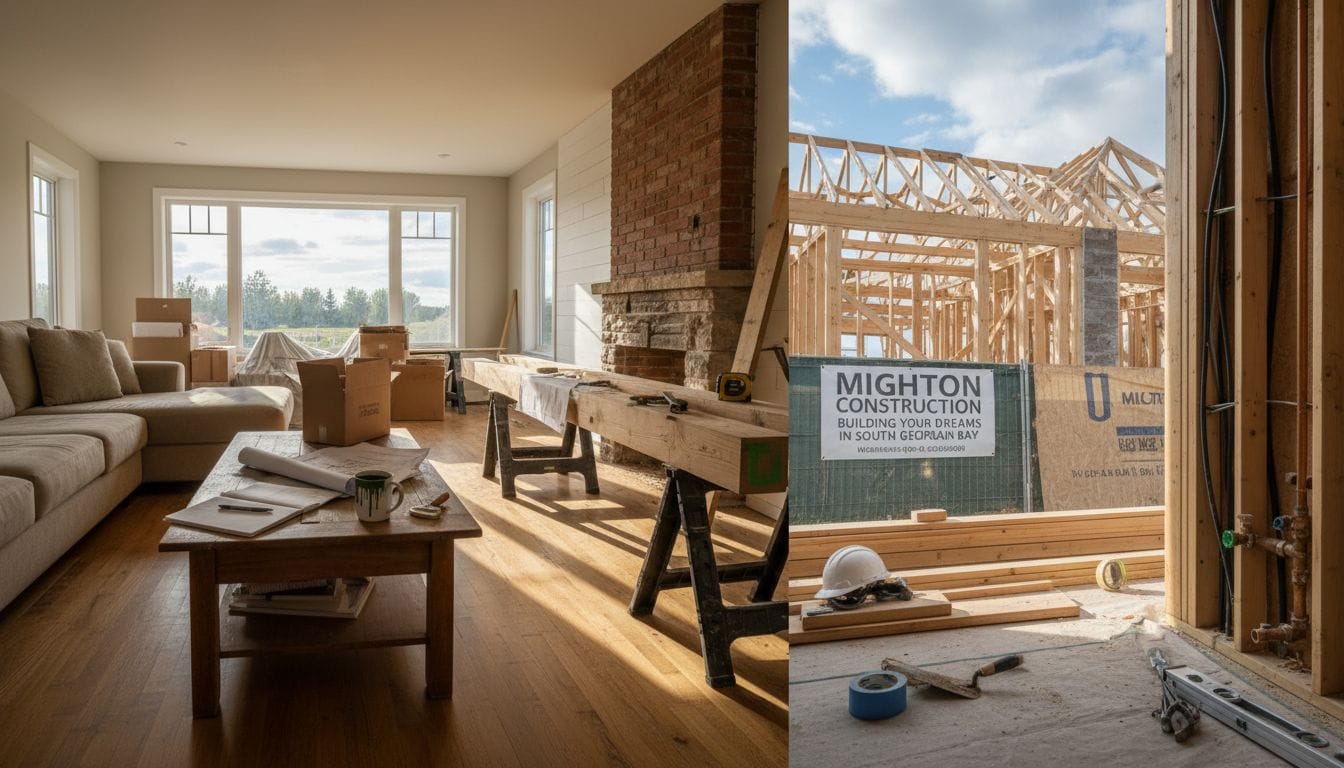
Nearly 50% of Canadian homeowners encounter unexpected setbacks during renovations, often due to poor planning or unclear objectives. For anyone mapping out changes to their living space, efficient preparation is just as crucial as hammer and nails. Taking the time to define your renovation plan can be the difference between a seamless transformation and costly chaos — whether you’re considering a kitchen renovation, bathroom renovation, or a whole home renovation, careful planning with a professional team can make all the difference. This guide explains how thoughtful, strategic decisions drive better results, higher property value, and greater peace of mind for every Canadian household.
Table of Contents
- Defining Planned Home Renovations
- Benefits Of Strategic Renovation Planning
- Types Of Renovation Projects And Scope
- Budgeting, Cost Controls, And Timelines
- Common Pitfalls Of Poor Planning
- Legal, Permits, And Community Considerations
Key Takeaways
Point
Details
Strategic Planning is Essential
Develop a comprehensive roadmap at least six months in advance to ensure thorough research, budget considerations, and contractor consultations.
Budgeting Requires Flexibility
Always include a contingency fund of 15-25% to accommodate unexpected costs and ensure financial stability throughout the renovation.
Prioritize High-Impact Projects
Focus on renovations that offer significant returns on investment, particularly in kitchens and bathrooms, to enhance property value effectively.
Legal Compliance is Critical
Understand and secure necessary permits early in the planning process to avoid penalties and ensure safety compliance during renovations.
Defining Planned Home Renovations
Planned home renovations represent a strategic approach to improving residential spaces through deliberate and thoughtful modifications. Unlike spontaneous updates, these projects involve comprehensive preparation and clear objectives designed to enhance both property functionality and market value. Effective home renovation planning requires homeowners to develop a structured methodology that considers multiple critical factors. At its core, planned home renovations involve several key components: establishing precise project goals, conducting thorough financial assessments, and developing a comprehensive understanding of potential scope and complexity. Homeowners must carefully evaluate their current living space, identifying specific areas requiring improvement while simultaneously considering long-term property value implications. This might include analyzing structural needs, aesthetic preferences, and potential return on investment for each proposed modification. Successful planned renovations also demand rigorous research and strategic preparation. Home renovation experts recommend creating detailed project documentation that outlines expected timelines, anticipated budget allocations, and potential financing strategies. This approach helps mitigate unexpected challenges and ensures a smoother implementation process. Homeowners should consider consulting professional contractors who can provide expert insights into design possibilities, material selections, and potential technical constraints. Pro Tip - Strategic Planning: Develop a comprehensive renovation roadmap at least six months before beginning your project, allowing sufficient time for research, contractor consultations, and careful financial planning. Pro Tip - Budget Wisdom: Always include a 15-20% contingency fund in your renovation budget to accommodate unexpected expenses or design modifications during the construction process.
Benefits of Strategic Renovation Planning
Strategic home renovation planning offers homeowners substantial financial and lifestyle advantages that extend far beyond immediate aesthetic improvements. Kitchen renovations can potentially increase a home’s market value by up to 20%, demonstrating the significant economic potential of carefully planned home improvements. By approaching renovations systematically, homeowners can transform living spaces while simultaneously making smart financial investments. 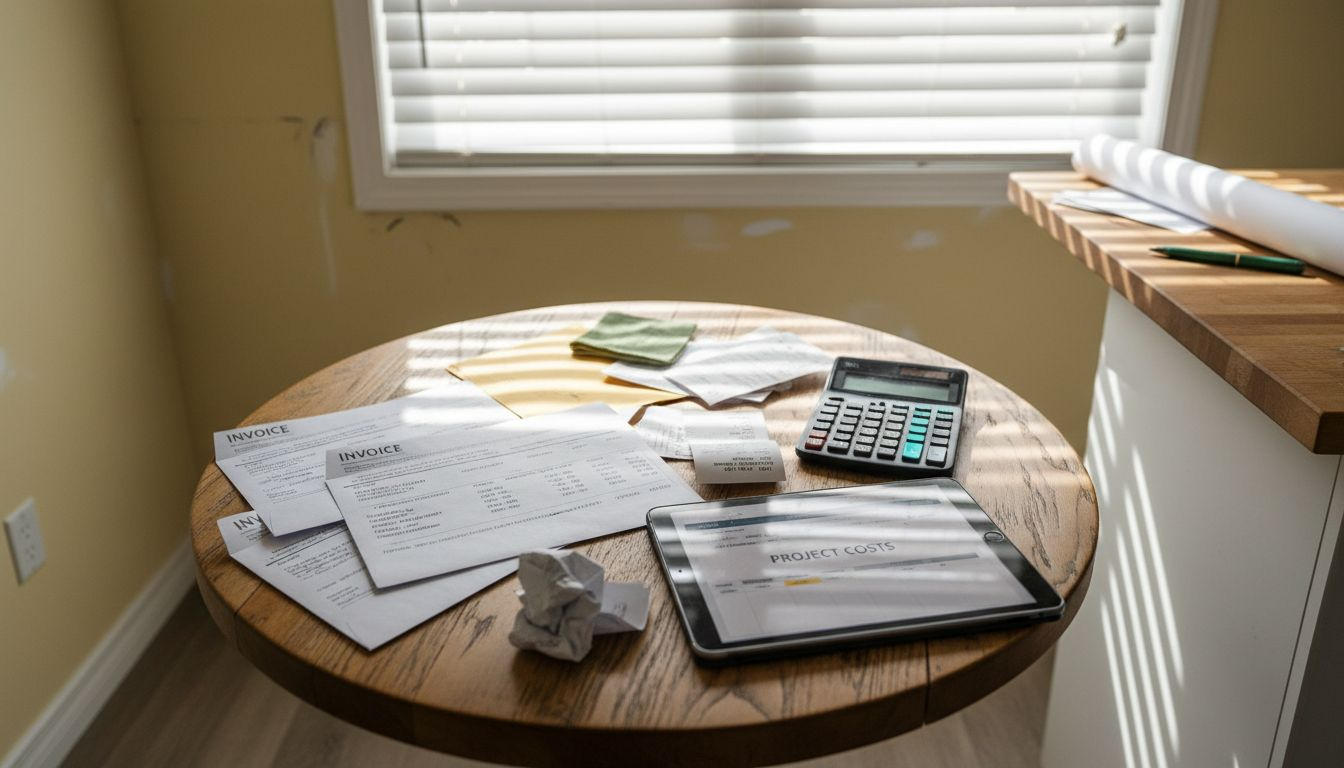 Beyond financial considerations, strategic renovation planning enables homeowners to create more functional and efficient living environments. Energy-efficient renovation trends reveal critical housing priorities that focus on sustainability and long-term performance. Upgrades like improved insulation, energy-efficient appliances, and modern heating systems not only reduce utility costs but also enhance overall home comfort and environmental responsibility. These targeted improvements can significantly improve daily living experiences while positioning the property competitively in the real estate market. Additionally, strategic renovation planning allows homeowners to prioritize improvements that align with their specific lifestyle needs and future goals. This approach involves comprehensive assessments of current space utilization, potential structural modifications, and anticipated family requirements. By developing a holistic renovation strategy, homeowners can create spaces that adapt to changing life stages, whether that means creating more open living areas, adding accessibility features, or designing multifunctional rooms that support evolving household dynamics. Pro Tip - Value Engineering: Prioritize renovations that offer the highest return on investment by focusing on key areas like kitchens, bathrooms, and energy efficiency upgrades that consistently attract potential buyers and increase property value. Pro Tip - Long-Term Planning: Develop a five-year renovation roadmap that balances immediate needs with future property value considerations, allowing for strategic, incremental improvements that maximize your home’s potential.
Types of Renovation Projects and Scope
Home renovation projects encompass a diverse range of improvements that can dramatically transform residential spaces and enhance property value. Common renovation projects include strategic interior and exterior upgrades that offer significant returns on investment, with homeowners strategically selecting projects that balance aesthetic appeal and financial practicality. These renovations span from targeted room-specific updates to comprehensive whole-home transformations, each designed to address specific functional and aesthetic requirements. Interior renovation projects typically focus on high-impact areas that significantly influence home functionality and marketability. Kitchen remodels stand out as particularly valuable, potentially generating up to 100% return on investment. Bathroom upgrades, basement finishing, and living space reconfiguration represent other critical interior renovation strategies that can dramatically improve both daily living experiences and property value. Renovation projects range from detailed interior upgrades to comprehensive exterior enhancements, allowing homeowners to create tailored spaces that reflect their unique lifestyle and aesthetic preferences. External renovation projects play an equally important role in enhancing overall property value and curb appeal. These might include landscaping improvements, deck or patio additions, exterior painting, roof replacements, and creating outdoor living spaces. Such projects not only improve the visual attractiveness of a property but also contribute to its functional utility, potentially increasing market value and providing additional areas for relaxation and entertainment. The scope of renovation projects can range from minor cosmetic updates to major structural modifications, depending on the homeowner’s budget, long-term goals, and specific property requirements. Here’s a comparison of common interior and exterior renovation projects with their typical impact:
Project Type
Typical Upgrades
Potential Value Increase
Functional Impact
Kitchen Remodel
Cabinets, countertops, layout
Up to 20%
Improved usability, efficiency
Bathroom Upgrade
Fixtures, tiling, lighting
10–15%
Enhanced comfort, aesthetics
Basement Finish
Insulation, flooring, layout
10–15%
Added living space
Landscaping
Lawn, plants, pathways
5–12%
Boosted curb appeal
Deck/Patio
Wood/composite, lighting
8–12%
Outdoor entertainment area
Roof Replacement
Shingles, ventilation
Maintains value
Better protection, efficiency
Pro Tip - Scope Selection: Prioritize renovation projects that offer the highest return on investment by focusing on kitchen and bathroom upgrades, which consistently demonstrate the most significant value increases. Pro Tip - Comprehensive Planning: Develop a holistic renovation strategy that balances immediate aesthetic improvements with long-term functional enhancements, ensuring each project contributes meaningfully to your home’s overall value and livability. 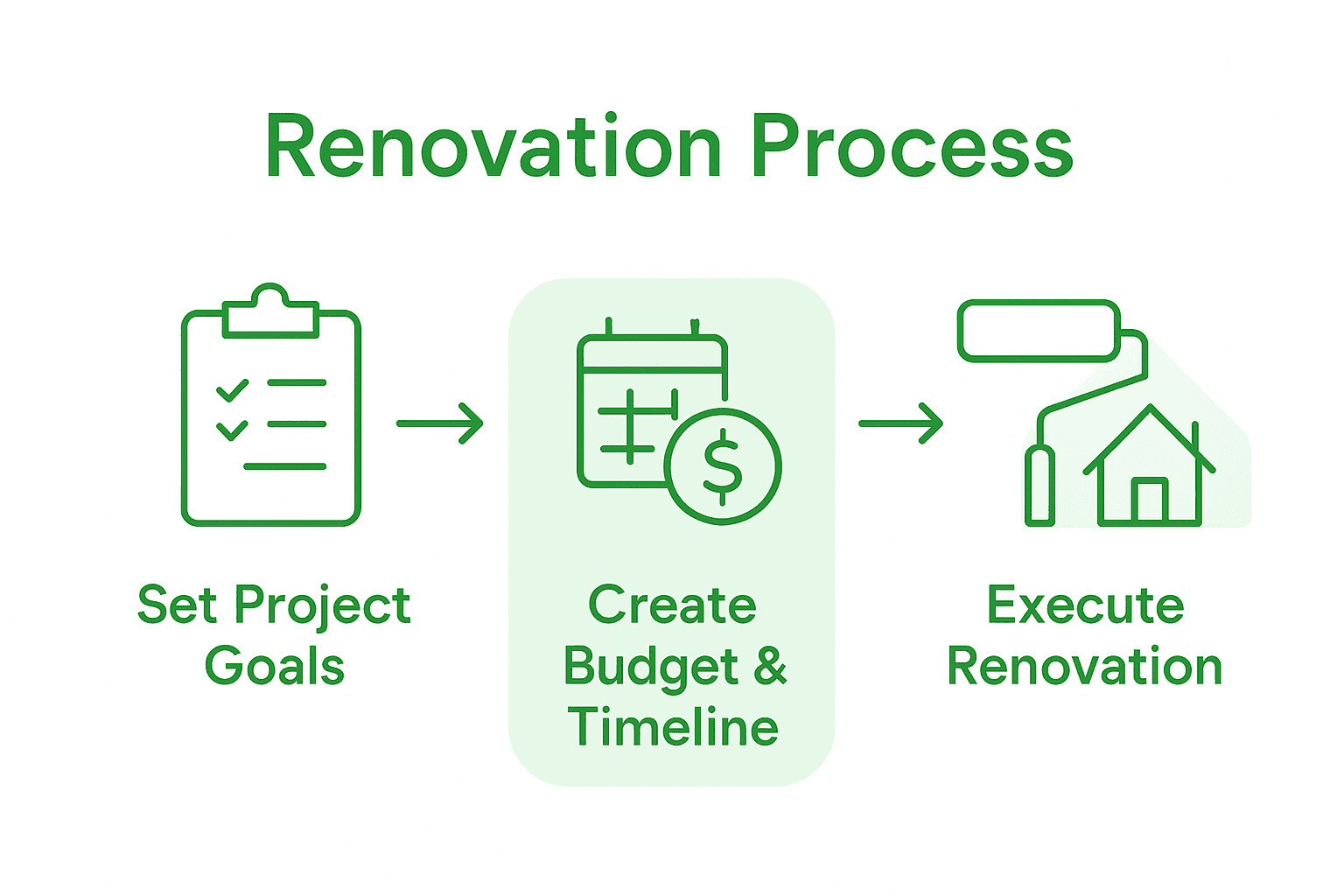
Budgeting, Cost Controls, and Timelines
Renovation budgeting represents a critical foundation for successful home improvement projects, requiring meticulous financial planning and strategic resource allocation. Homeowners should establish a realistic budget that includes a contingency fund of 15 to 25% to accommodate unexpected expenses, recognizing that renovation projects often involve complex variables and potential unforeseen challenges. This proactive approach helps prevent financial strain and ensures sufficient flexibility to address potential complications during the renovation process. Financing strategies play a pivotal role in managing renovation costs effectively. Careful research and strategic financial planning are essential when exploring renovation funding options, with homeowners advised to prioritize low-interest financing methods. Utilizing personal savings represents the ideal approach, but alternatives like home equity lines of credit can provide additional financial flexibility. Critical considerations include evaluating interest rates, understanding repayment terms, and ensuring that financing costs do not disproportionately increase the overall project expense. Timeline management represents another crucial aspect of successful renovation planning. Homeowners must develop comprehensive project schedules that account for potential delays, material procurement timelines, and contractor availability. Realistic timeline projections should include buffer periods for unexpected challenges, such as material shortages, permit approvals, or complex technical modifications. Breaking larger renovation projects into manageable phases can help maintain financial control, minimize disruption to daily living, and provide opportunities for ongoing assessment and adjustment of the original project plan. Pro Tip - Financial Cushioning: Always allocate a minimum of 20% above your initial budget estimate to create a robust financial buffer that can absorb unexpected renovation expenses without compromising project quality. Pro Tip - Phased Budgeting: Develop a multi-phase budget approach that prioritizes critical improvements, allowing you to spread costs over time and maintain financial flexibility throughout your renovation journey. Below is a summary of budgeting strategies and their financial effects:
Strategy
Description
Financial Effect
Contingency Fund
15–25% extra for unforeseen costs
Reduces risk of over-budget spending
Multi-Phase Budgeting
Spread costs over project phases
Maintains cash flow flexibility
Low-Interest Financing
HELOC, personal loans, credit options
Minimizes total borrowed interest
Savings-First Approach
Use personal savings before loans
Avoids unnecessary debt
Common Pitfalls of Poor Planning
Home renovation planning requires extraordinary attention to detail and strategic foresight to avoid potentially costly mistakes. Inadequate planning can lead to significant budget overruns and unmet project expectations, with homeowners frequently experiencing unexpected challenges that could have been mitigated through comprehensive preliminary research and preparation. These planning deficiencies can transform what should be an exciting home improvement journey into a stressful and financially draining experience. One of the most critical pitfalls stems from insufficient financial preparation and unrealistic budget expectations. Homeowners who neglect thorough research and comprehensive budgeting often find themselves facing substantial financial strain, with projects potentially stalling midway due to unanticipated expenses. Common financial missteps include underestimating material costs, failing to account for labour complexities, overlooking permit and inspection fees, and not maintaining a robust contingency fund. These oversights can quickly escalate project costs, transforming what initially seemed like a manageable renovation into a significant financial burden. Additionally, poor planning frequently manifests through inadequate contractor selection, unrealistic timeline projections, and insufficient understanding of project scope. Homeowners may rush into renovations without thoroughly vetting contractors, checking references, or understanding the full complexity of proposed modifications. This can result in subpar workmanship, extended project timelines, communication breakdowns, and potential legal complications. Structural limitations, unexpected structural issues, outdated building codes, and complex permit requirements can further complicate renovation efforts, highlighting the critical importance of comprehensive preliminary assessment and professional consultation. Pro Tip - Contractor Verification: Always conduct comprehensive background checks on potential contractors, including verifying licenses, reviewing past project portfolios, and speaking directly with previous clients before making a final selection. Pro Tip - Scope Documentation: Create a detailed, written project scope that explicitly outlines every aspect of the renovation, including specific materials, expected timelines, payment schedules, and potential contingency plans to prevent misunderstandings and project complications.
Legal, Permits, and Community Considerations
Navigating legal requirements represents a critical aspect of home renovation planning that many homeowners underestimate. Securing necessary permits and adhering to local regulations are essential steps in the renovation process, ensuring both safety compliance and legal protection for property owners. Failure to obtain appropriate permissions can result in significant financial penalties, potential legal disputes, and even mandatory restoration of unauthorized modifications. Understanding and obtaining required permits demands comprehensive research into local building codes and community regulations, which can vary significantly between municipalities. Different renovation types trigger distinct permit requirements, ranging from minor cosmetic updates to major structural modifications. Homeowners must carefully assess their specific project scope, considering factors such as structural changes, electrical system modifications, plumbing alterations, and exterior modifications that might impact neighbourhood aesthetic standards or zoning regulations. Community considerations extend beyond formal legal requirements, encompassing broader neighbourhood dynamics and potential impacts on surrounding properties. Renovation projects should respect community standards, maintain architectural consistency, and minimize disruption to neighbours. This involves thoughtful planning regarding construction noise, waste management, parking limitations, and potential visual changes that might affect local aesthetic expectations. Some communities have additional overlay zones or heritage district regulations that impose extra constraints on renovation possibilities, requiring homeowners to engage proactively with local municipal planning departments. Pro Tip - Permit Navigation: Contact your local municipal building department early in the planning process to obtain a comprehensive understanding of specific permit requirements and potential restrictions for your renovation project. Pro Tip - Community Engagement: Communicate proactively with immediate neighbours about planned renovations, providing advance notice and demonstrating consideration for potential impacts on their daily living experience.
Plan Smart Renovations for Lasting Value and Peace of Mind
Planning your home renovation carefully is the key to avoiding costly surprises and achieving results that truly enhance your living space and property value. Whether you are considering a kitchen upgrade, bathroom remodel, or a full-scale home transformation, thoughtful preparation ensures every detail aligns with your vision and budget. At Mighton Construction, we understand the challenges of strategic renovation planning, from budgeting and timelines to permits and contractor selection.  Discover how our expert team can guide you through every step of your home improvement journey. Explore our comprehensive Renovations Archives for inspiration and detailed project examples. Ready to bring your renovation plans to life with trusted craftsmanship and transparent communication Visit us today at Mighton Construction and take the first step toward a home that reflects your lifestyle and adds lasting value.
Frequently Asked Questions
What are the key components of planned home renovations?
Planned home renovations typically involve establishing project goals, conducting financial assessments, understanding the scope and complexity of the work, evaluating current spaces for improvement, and consulting professional contractors for expert advice.
How can strategic renovation planning increase my home’s market value?
Strategic renovation planning can increase a home’s market value by focusing on high-impact areas such as kitchens and bathrooms, where improvements can yield substantial returns on investment, sometimes as much as 20% or more.
What are some common pitfalls to avoid in home renovation planning?
Common pitfalls include inadequate financial preparation, unrealistic budget expectations, poor contractor selection, and lack of understanding of project scopes, which can lead to budget overruns and unmet expectations.
Why is it important to secure necessary permits for renovations?
Securing necessary permits is crucial to ensure compliance with local building codes and regulations. Failure to obtain permits can result in financial penalties, legal disputes, and potential restoration of unauthorized modifications.