
Whole Home Renovation: Transforming Luxury Living Spaces
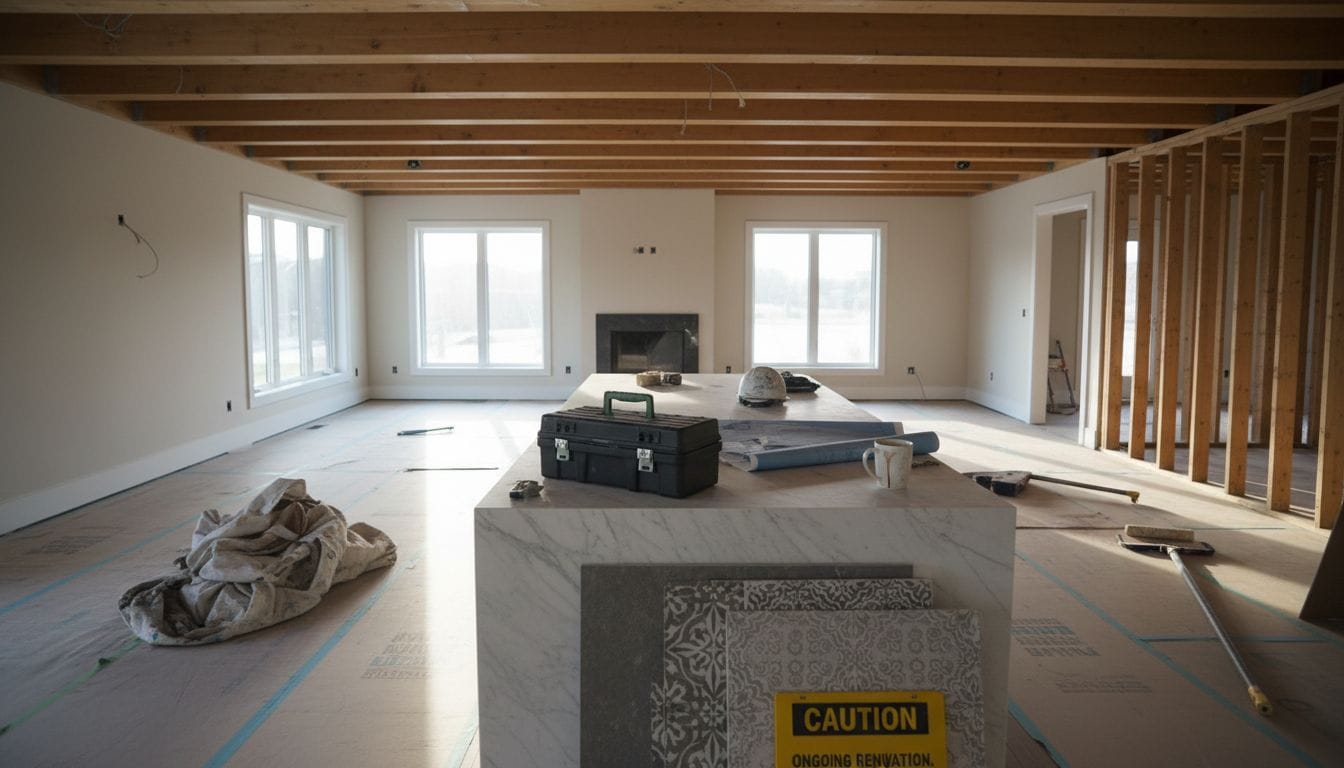
More than 60 percent of Canadian homeowners plan a significant renovation at some point, yet understanding what truly defines a whole home transformation can be confusing. With Canadian regulations and unique climate factors shaping every aspect of remodeling, making informed choices matters more than ever. This guide breaks down what a whole home renovation really means for Canadian families and explains how smart planning can protect your investment while creating a home that meets your needs for years to come.
Table of Contents
- Whole Home Renovation Defined for Canadians
- Common Types and Key Project Variations
- Essential Steps in the Renovation Process
- Major Costs and Financial Considerations
- Risks, Legal Factors, and Compliance Issues
Key Takeaways
Point
Details
Whole Home Renovation Approach
A comprehensive transformation requires thorough planning, adherence to local building standards, and a focus on functionality and aesthetics.
Assessment and Planning
Conduct a detailed evaluation of existing conditions and establish a realistic budget before starting any work to prevent complications.
Legal Compliance
Obtain all necessary permits and ensure compliance with local regulations to avoid potential risks and legal issues.
Cost Management
Develop a comprehensive financial strategy, including contingency funds, to accommodate the complexities of renovation expenses.
Whole Home Renovation Defined for Canadians
A whole home renovation represents a comprehensive transformation of living spaces that goes beyond superficial upgrades, involving strategic modifications to enhance functionality, aesthetic appeal, and overall property value. In the Canadian context, this approach requires careful planning and understanding of local building standards and environmental considerations.
Understanding whole home renovations involves recognizing the holistic nature of the project. According to the Canadian Home Builders’ Association (CHBA) Renovators’ Manual, renovations should be viewed through a “house as a system” perspective, which means considering how different elements of the home interact and impact each other. This approach ensures that changes in one area do not negatively affect the home’s overall performance or structural integrity.
Canadian homeowners embarking on whole home renovations typically focus on several key areas: structural improvements, energy efficiency upgrades, modernization of living spaces, and compliance with municipal building regulations. Centris.ca highlights the critical importance of obtaining proper building permits and understanding local zoning requirements before commencing any significant renovation work. These preliminary steps help prevent potential legal complications and ensure that the renovation meets all necessary safety and structural standards.
Key considerations for a successful whole home renovation in Canada include:
- Comprehensive assessment of existing home condition
- Detailed budgeting and financial planning
- Selection of qualified, licensed contractors
- Understanding energy efficiency requirements
- Compliance with local building codes
- Consideration of environmental impact and sustainable design principles
By approaching whole home renovations with a strategic, well-informed mindset, Canadian homeowners can transform their living spaces while maintaining structural integrity, improving energy efficiency, and ultimately increasing their property’s long-term value.
Common Types and Key Project Variations
Whole home renovations encompass a wide range of project types, each designed to address specific homeowner needs and property characteristics. According to RenoDuck’s comprehensive analysis, homeowners can choose between full home transformations and targeted room-by-room updates, with each approach offering unique advantages and considerations for Canadian residential properties.
Comprehensive Renovation Types include several distinct categories that cater to different objectives. Some primary variations include:
- Structural Renovations: Addressing foundational issues, load-bearing wall modifications, and overall home structural integrity
- Energy Efficiency Upgrades: Focusing on improving insulation, window replacements, and mechanical systems performance
- Accessibility Modifications: Creating adaptable living spaces for multigenerational households or individuals with mobility challenges
- Aesthetic Modernization: Updating visual elements, layout configurations, and design aesthetics
The Canadian Home Builders’ Association Renovators’ Manual highlights that successful renovation projects require a systematic approach, emphasizing the importance of comprehensive assessment before initiating any significant home transformation. This means carefully evaluating existing conditions, understanding potential challenges, and developing a strategic renovation plan that aligns with the homeowner’s long-term objectives.
The key differentiator among renovation types lies in their scope and intended outcomes. Full home renovations offer more extensive benefits, including:
- Unified design aesthetic across living spaces
- Potential for more significant property value increases
- Comprehensive approach to addressing multiple home performance issues
- Reduced overall disruption compared to sequential room renovations
- More efficient use of professional labour and resources
Canadian homeowners should carefully consider their specific requirements, budget constraints, and long-term vision when selecting the most appropriate renovation approach for their unique living spaces.
Essential Steps in the Renovation Process
A successful whole home renovation requires a systematic and strategic approach that goes beyond simple aesthetic improvements. According to the Canadian Home Builders’ Association Renovators’ Manual, the renovation process involves a comprehensive framework of carefully orchestrated steps designed to transform living spaces while maintaining structural integrity and functional performance.
The renovation journey typically unfolds through several critical phases:
- Initial Planning and Assessment
- Comprehensive home condition evaluation
- Identifying specific renovation objectives
- Establishing realistic budget parameters
- Determining project scope and priorities
- Design and Conceptualization
- Developing architectural and design concepts
- Creating detailed renovation blueprints
- Selecting materials and finishes
- Consulting with design professionals
- Permitting and Regulatory Compliance
- Researching local building codes
- Obtaining necessary municipal permits
- Ensuring compliance with zoning regulations
- Documenting all required legal approvals
Centris.ca highlights the critical importance of meticulous planning as a foundational element in preventing potential delays, unexpected expenses, and project complications. Successful renovations demand a proactive approach that anticipates challenges and develops strategic mitigation strategies.
The execution phase involves coordinating multiple professional trades, managing project timelines, and maintaining consistent communication between homeowners, contractors, and suppliers. Effective project management ensures that each renovation stage progresses smoothly, with quality workmanship and adherence to the original design vision. By following these structured steps, Canadian homeowners can transform their living spaces while minimizing risks and maximizing the potential for a successful, stunning renovation outcome.
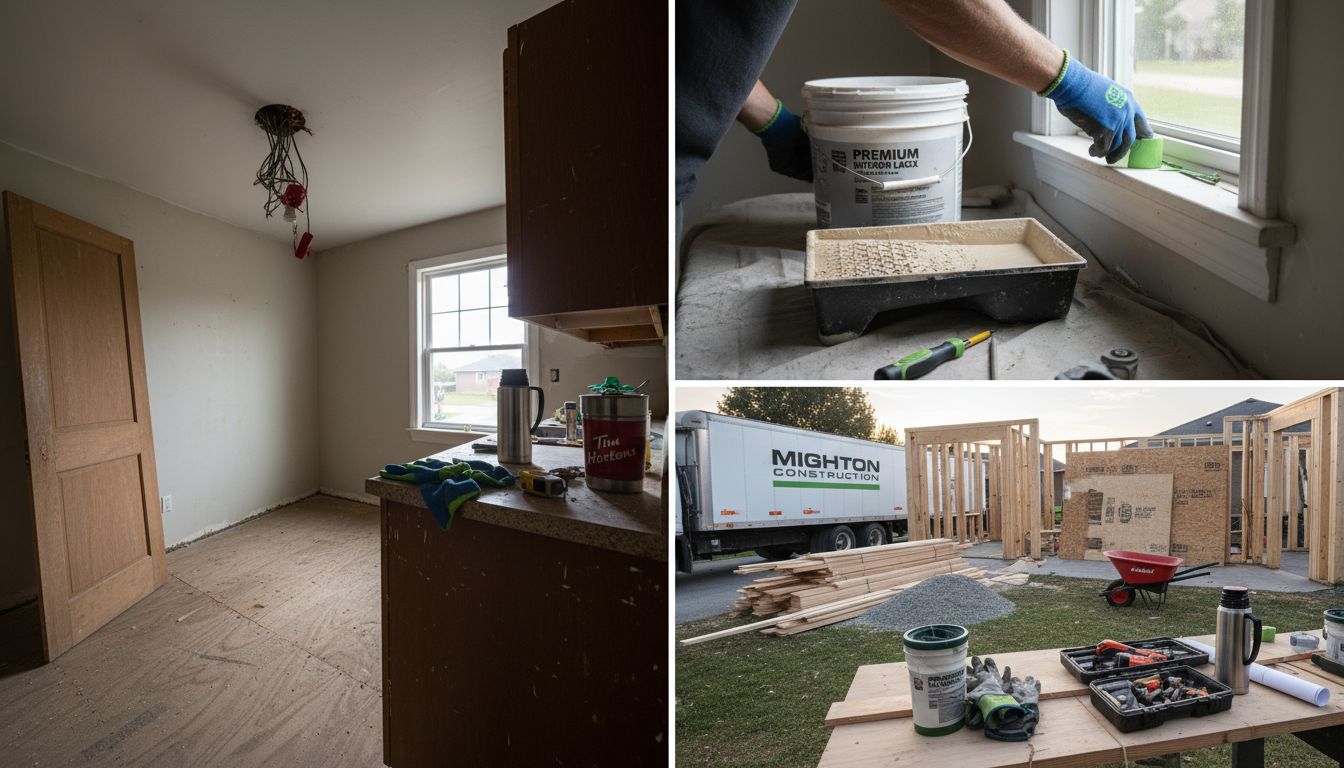
Major Costs and Financial Considerations
Whole home renovations represent significant financial investments that require careful strategic planning and comprehensive budgeting. According to Spring Financial’s comprehensive analysis of renovation costs in Canada, the financial landscape of home renovations involves multiple complex factors that influence overall project expenses.
Primary Cost Categories for whole home renovations typically include:
- Structural modifications
- Mechanical systems upgrades
- Electrical and plumbing work
- Material and labour expenses
- Design and architectural services
- Permit and regulatory compliance costs
- Contingency funds for unexpected challenges
HomeStars provides detailed insights into renovation pricing structures, highlighting that Canadian homeowners can expect significant variation in renovation expenses based on several key factors:
- Home size and current condition
- Complexity of proposed renovations
- Quality of materials selected
- Geographic location and local labour markets
- Specific regional building requirements
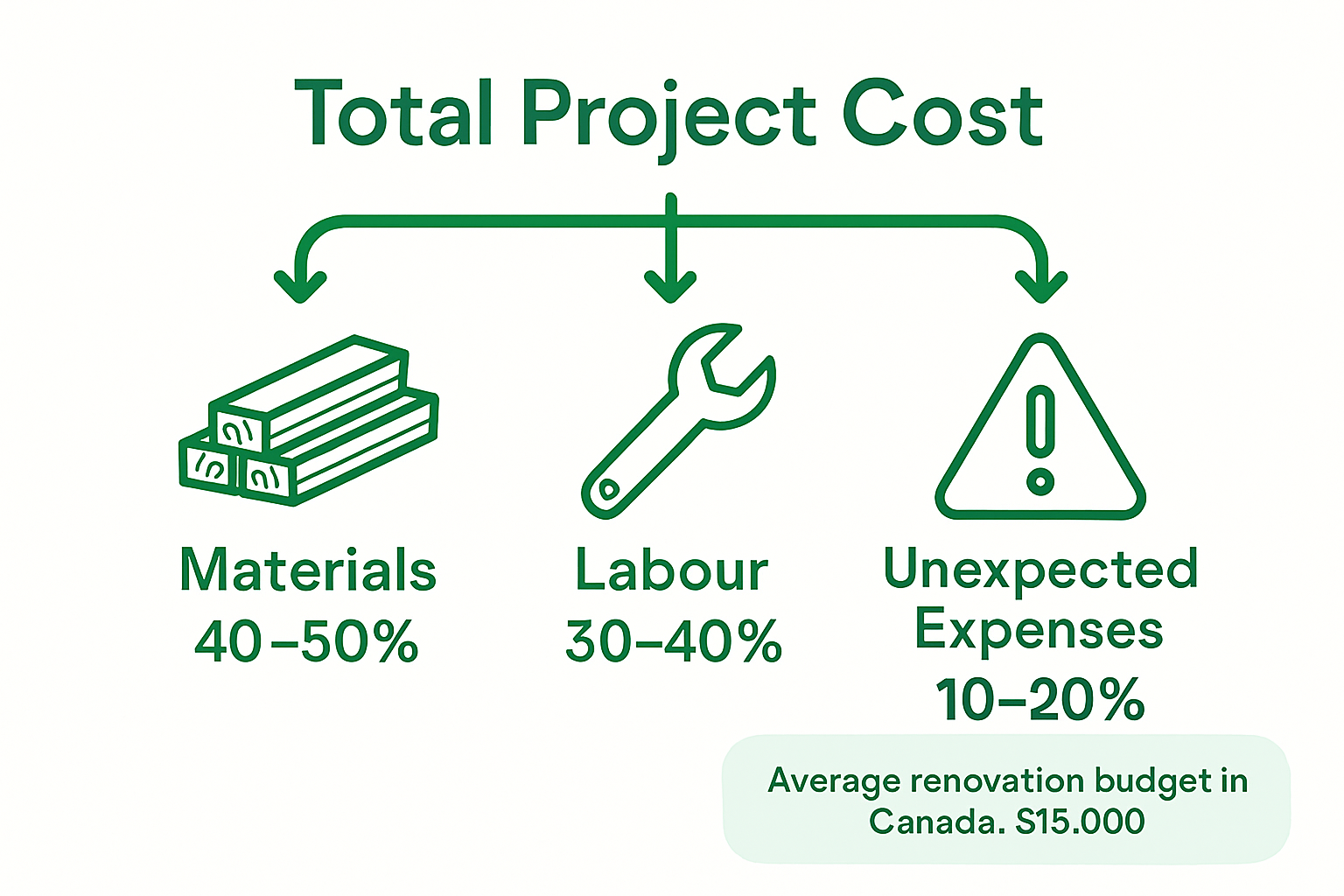
Financial experts recommend allocating a comprehensive budget that includes:
- Base project costs (60-70% of total budget)
- Design and professional fees (10-15%)
- Contingency reserves (15-20%)
- Potential unexpected expenses (5-10%)
Successful financial planning for whole home renovations requires a proactive approach, thorough research, and realistic expectations about potential investment requirements. Canadian homeowners should consult with financial advisors, contractors, and design professionals to develop a nuanced, comprehensive financial strategy that aligns with their specific renovation objectives and long-term property value goals.
Risks, Legal Factors, and Compliance Issues
Whole home renovations involve complex legal and regulatory considerations that require meticulous attention to detail and proactive risk management. According to the Canadian Home Builders’ Association Renovators’ Manual, homeowners must navigate a comprehensive landscape of potential risks, building code requirements, and legal compliance standards to ensure a successful renovation project.
Critical Legal and Compliance Considerations include:
- Obtaining necessary municipal building permits
- Ensuring compliance with local zoning regulations
- Addressing potential environmental hazards
- Managing contractor insurance and liability requirements
- Documenting all renovation-related agreements
Potential Renovation Risks that require careful management:
- Structural integrity challenges
- Hidden environmental contaminants (asbestos, mold)
- Unexpected structural deficiencies
- Potential property value implications
- Regulatory non-compliance penalties
Centris.ca emphasizes the critical importance of understanding municipal regulations as a fundamental aspect of successful home renovation planning. Homeowners must be prepared to:
- Conduct comprehensive property assessments
- Engage qualified professional inspectors
- Research local building code requirements
- Maintain detailed documentation of all renovation activities
- Develop contingency plans for potential legal and structural challenges
Successful navigation of legal and compliance issues requires a proactive, comprehensive approach that prioritizes transparency, professional expertise, and thorough documentation. Canadian homeowners should work closely with licensed contractors, legal professionals, and municipal authorities to mitigate risks and ensure their renovation project meets all necessary regulatory standards.
Elevate Your Whole Home Renovation with Expert Craftsmanship
Transforming your entire living space requires more than just vision. It demands a trusted partner who understands the intricate challenges of comprehensive structural changes, energy efficiency upgrades, and seamless design integration. At Mighton Construction Limited, we specialise in delivering turnkey renovation projects grounded in over 30 years of South Georgian Bay expertise, ensuring your dream home meets Canadian building standards while enhancing luxury and comfort.
Discover how our meticulous approach to whole home renovations leverages premium materials and skilled craftsmanship. Whether you are modernizing your kitchen, refreshing your bathroom, or undertaking a full-scale home transformation, our team delivers exceptional results tailored to your unique lifestyle. Explore our Renovations Archives to see how we bring expansive visions to life.

Ready to turn your whole home renovation into a reality with confident project management and lasting quality? Visit Mighton Construction Limited now to connect with experts who manage every detail from concept to completion. Begin your journey by exploring our work in Kitchen Renovations or refreshing your personal spaces with our Bathroom Renovation Services. Act today to elevate your home to the next level of luxury and functionality.
Frequently Asked Questions
What is included in a whole home renovation?
A whole home renovation typically includes structural improvements, energy efficiency upgrades, aesthetic modernization, and renovations that ensure compliance with local building regulations.
How do I budget for a whole home renovation?
Budgeting for a whole home renovation involves estimating costs for structural modifications, mechanical system upgrades, materials, labor, design services, and contingency funds for unexpected expenses.
What are the essential steps in the renovation process?
The essential steps in the renovation process include initial planning and assessment, design and conceptualization, permitting and regulatory compliance, and executing the renovation with project management to ensure timelines and quality.
What are the potential risks associated with whole home renovations?
Potential risks include structural integrity challenges, hidden environmental contaminants, unexpected structural deficiencies, and issues related to regulatory compliance that can result in fines or project delays.
Recommended
- What Is Luxury Home Renovation? Complete Overview
- 7 Inspiring Examples of Luxury Renovations for Modern Homes
- Luxury Home Renovation Steps for a Stunning Transformation
- Custom Home Renovations Workflow for Premium Results
- 7 Smart Living Room Design Inspiration Ideas for All Spaces - Projector Display