Waterproofing: Protecting Luxury Homes in Canada
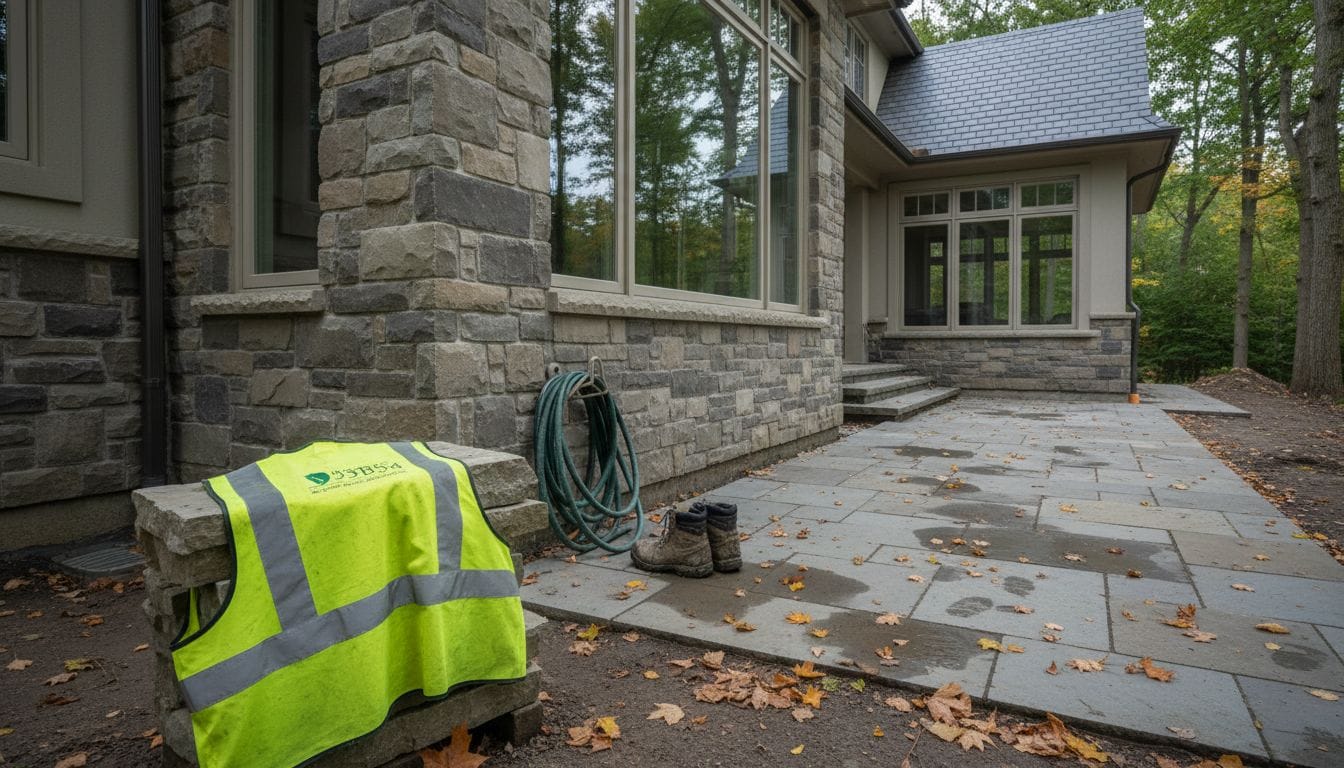
Seasonal rains and snowmelt across South Georgian Bay can quietly threaten even the most exquisite homes. For luxury properties with premium finishes and intricate architecture, proper moisture protection is more than a technical upgrade. High-end construction demands robust waterproofing strategies to safeguard concrete foundations, basements, and living spaces from structural damage and costly repairs. Discover the crucial factors that define Canadian waterproofing and how tailored solutions preserve both investment and everyday comfort.
Table of Contents
- What Waterproofing Means For Canadian Homes
- Types Of Waterproofing And Their Distinctions
- How Waterproofing Systems Work In Practice
- Common Waterproofing Risks And Cost Factors
- Mistakes To Avoid In Home Waterproofing
Key Takeaways
Point
Details
Importance of Waterproofing
Effective waterproofing protects Canadian homes from moisture-related damage, ensuring structural integrity and indoor air quality.
Strategic Approach
Multiple waterproofing strategies should be tailored to individual homes, considering unique vulnerabilities and environmental conditions.
Common Risks
Homeowners should be aware of installation challenges and ensure proper material selection to avoid costly mistakes.
Professional Assessment
Regular professional assessments can identify vulnerabilities early, preventing expensive repairs in the future.
What Waterproofing Means for Canadian Homes
Waterproofing in Canada represents a critical defence strategy for protecting residential structures against moisture-related damage, particularly in regions experiencing diverse and challenging climate conditions. Unlike simple moisture management, waterproofing involves comprehensive protection techniques designed to shield homes from potential water infiltration, structural compromise, and long-term environmental risks.
For Canadian homeowners, waterproofing encompasses multiple strategic approaches targeting vulnerable home areas. Water infiltration prevention strategies typically focus on basements, foundations, and critical structural components. These methods include:
- Sealing basement windows and entry points
- Installing specialized flood barriers
- Raising critical appliances above potential water levels
- Ensuring proper exterior grading to divert water away from foundations
- Applying waterproof membranes to concrete and masonry surfaces
The significance of robust waterproofing becomes particularly evident when considering Canada’s unique environmental challenges. Seasonal variations – from heavy spring snowmelts to intense summer rainstorms – create dynamic moisture risks that demand proactive protective measures. Concrete foundations, which are standard in Canadian home construction, are especially susceptible to water penetration without proper treatment.
Waterproofing techniques go beyond simple surface treatments, involving comprehensive moisture management strategies. These include:
- Advanced drainage system design
- Professional foundation crack repair
- Installation of internal and external waterproof membranes
- Strategic landscape grading
- Comprehensive gutter and downspout management
Moisture protection represents more than just preventing water entry – it’s about maintaining indoor air quality, preserving structural integrity, and protecting significant home investments. Effective waterproofing can prevent costly damages, reduce potential health risks from mould growth, and enhance overall property longevity.
Pro tip: Invest in professional waterproofing assessment annually to identify potential vulnerabilities before they become expensive repair projects.
Types of Waterproofing and Their Distinctions
Waterproofing technologies have evolved significantly, offering Canadian homeowners multiple sophisticated solutions tailored to different structural vulnerabilities and environmental challenges. Waterproofing membrane types represent the primary strategies for protecting residential structures against moisture intrusion, each designed with specific performance characteristics.
Two primary categories of waterproofing membranes dominate the Canadian market:
-
Liquid Waterproof Membranes: Paint-like coatings creating seamless protective barriers
- Highly flexible with temperature variations
- Ideal for patios, decks, and complex surface geometries
- Can be applied directly to existing surfaces
-
Sheet Waterproof Membranes: Roll-based solutions for extensive surface coverage
- Extremely durable and puncture-resistant
- Particularly effective for foundation walls below ground level
- Provides comprehensive moisture barrier protection
Regulatory waterproofing requirements in Ontario further distinguish between dampproofing and full waterproofing methods. The building code specifies distinct applications based on hydrostatic pressure conditions, particularly for below-ground walls and floors-on-ground where exterior ground levels differ from interior spaces.
Beyond membrane types, waterproofing strategies also include:
- Exterior foundation coating applications
- Interior drainage system installations
- Crack injection and repair techniques
- Comprehensive grading and landscape water management
- Specialized sealants for masonry and concrete surfaces
Moisture protection in Canadian homes is not a one-size-fits-all solution. Each property requires a tailored approach considering unique architectural features, local climate conditions, and potential water infiltration risks. Professional assessment becomes crucial in determining the most appropriate waterproofing strategy.
Here is a comparison of key waterproofing membrane types used in Canadian homes:
Membrane Type
Typical Applications
Benefits
Liquid Membrane
Decks, patios, irregular shapes
Seamless coverage, flexible
Sheet Membrane
Basement, foundation walls
High durability, puncture-resistant
Cementitious Coating
Basements, interior spaces
Easy application, cost-effective
Bentonite Clay Sheet
Foundation exterior, below grade
Self-sealing, eco-friendly option
Pro tip: Consult a professional waterproofing specialist who understands local building codes and can recommend the most effective membrane system for your specific home environment.
How Waterproofing Systems Work in Practice
Waterproofing system implementation represents a sophisticated, multi-layered approach to protecting residential structures from moisture intrusion. These systems function as comprehensive protective networks, strategically designed to prevent water penetration through multiple defensive mechanisms.
The practical implementation of waterproofing involves several critical stages:
-
Surface Preparation
- Thorough cleaning of existing surfaces
- Identifying and addressing structural vulnerabilities
- Removing debris and potential moisture sources
-
Barrier Application
- Installing external protective membranes
- Applying specialized sealants
- Creating continuous moisture-resistant layers
Outdoor waterproofing techniques emphasize a comprehensive approach that goes beyond simple surface treatment. The process typically includes:
- Comprehensive surface evaluation
- Precise membrane or sealant application
- Strategic drainage system integration
- Continuous moisture pressure management
Drainage systems play a crucial role in waterproofing, working to redirect water away from critical structural areas. These systems manage hydrostatic pressure by creating intentional water flow paths that prevent moisture accumulation near foundational structures.
Key components of effective waterproofing include:
- External foundation membrane layers
- Interior drainage channel installations
- Grading and landscape water management
- Specialized concrete and masonry sealants
- Comprehensive moisture barrier technologies
Moisture management in Canadian homes requires a nuanced understanding of local environmental conditions. The unique freeze-thaw cycles and precipitation patterns demand adaptive waterproofing strategies that can withstand extreme temperature variations and persistent moisture challenges.
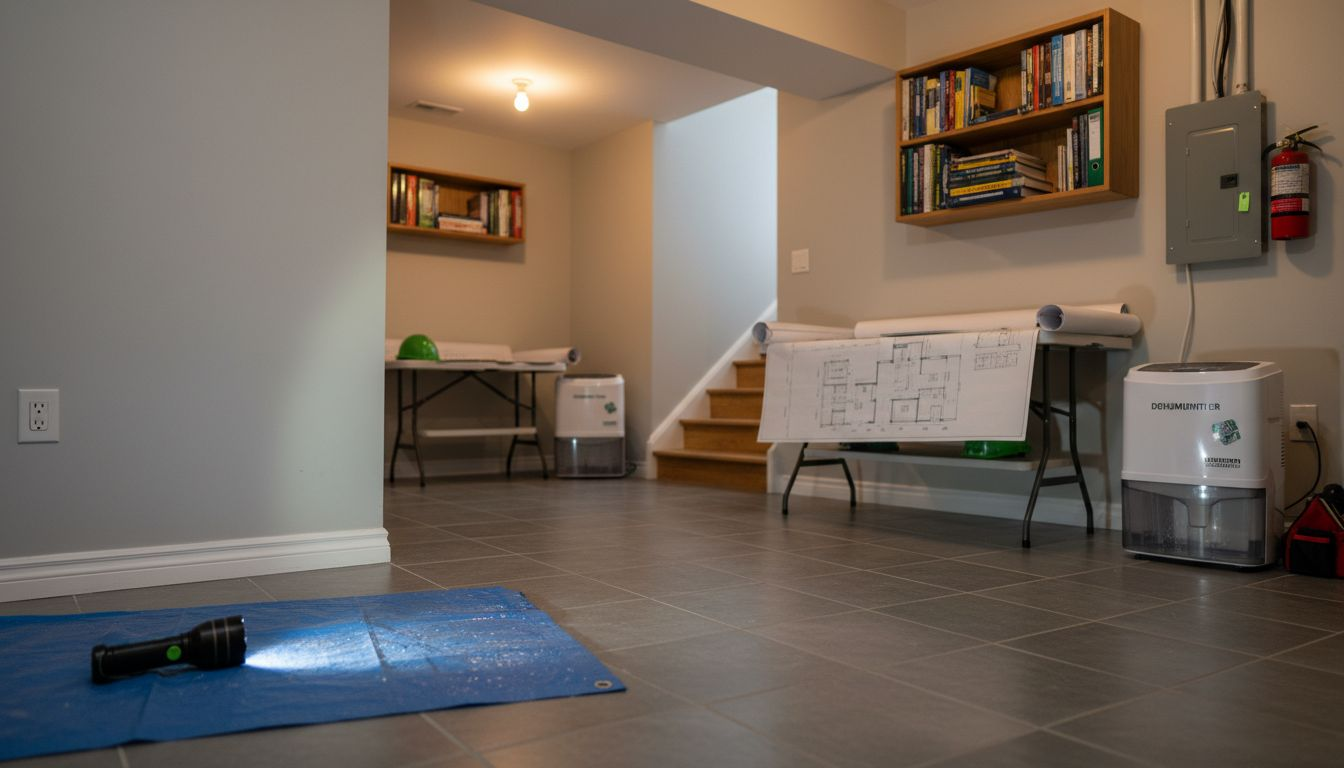
Pro tip: Conduct a professional moisture assessment annually to identify and address potential waterproofing vulnerabilities before they escalate into significant structural issues.
Common Waterproofing Risks and Cost Factors
Waterproofing project risks represent complex challenges that can significantly impact the long-term integrity and value of Canadian residential structures. Understanding these potential pitfalls is crucial for homeowners seeking to protect their property from moisture-related damage and unexpected financial burdens.
Common waterproofing risks include:
-
Installation Challenges
- Poor surface preparation
- Incorrect material selection
- Inadequate application techniques
- Failure to address existing structural vulnerabilities
-
Site-Specific Complications
- Improper landscape grading
- Insufficient drainage systems
- Complex soil composition
- Underground water table variations
Government flood protection guidelines highlight several critical cost factors that homeowners must consider:
- Area size and complexity of waterproofing project
- Selected waterproofing methodology
- Extent of existing structural damage
- Material quality and durability
- Labour and professional assessment costs
Cost variability in waterproofing projects can be substantial, with expenses ranging from a few thousand to tens of thousands of dollars depending on the specific requirements. Factors such as foundation type, home age, and local environmental conditions play significant roles in determining overall project complexity and expense.
Key financial considerations for waterproofing include:
- Preventative maintenance costs
- Potential government rebate opportunities
- Long-term structural protection value
- Insurance implications
- Potential energy efficiency improvements
Moisture protection represents a strategic investment in home durability. Proactive waterproofing can prevent exponentially more expensive structural repairs, making early intervention a financially prudent approach for Canadian homeowners.
To help homeowners plan waterproofing, below is a summary of major cost factors and their typical effects:
Cost Factor
Effect on Overall Project Cost
Example Impact
Project Area & Complexity
Larger area raises cost
Full basement vs. small section
Methodology Chosen
Advanced systems cost more
Exterior membrane vs. sealant only
Structural Damage
Extensive repair increases price
Cracks require injection or patch
Material Quality
Higher quality means higher cost
Premium membrane vs. basic coating
Professional Labour
Experienced specialists charge more
Detailed assessment, skilled work
Pro tip: Request detailed written estimates from multiple professional waterproofing contractors, ensuring they provide comprehensive assessments of potential risks and recommended solutions.
Mistakes to Avoid in Home Waterproofing
Waterproofing system errors can transform a well-intentioned home protection project into a costly mistake. Understanding common pitfalls is crucial for Canadian homeowners seeking effective moisture management and long-term structural integrity.
Critical mistakes homeowners frequently make include:
-
Surface Preparation Errors
- Skipping thorough surface cleaning
- Neglecting to repair existing cracks
- Applying waterproofing over damaged surfaces
- Failing to address underlying structural issues
-
Material and Application Mistakes
- Using inappropriate waterproofing products
- Selecting materials unsuitable for local climate
- Improper application techniques
- Ignoring manufacturer installation guidelines
Outdoor waterproofing techniques reveal several fundamental errors that compromise home protection:
- Focusing solely on interior waterproofing
- Overlooking comprehensive drainage solutions
- Neglecting exterior foundation protection
- Ignoring landscape grading issues
- Avoiding professional moisture assessments
Drainage strategy represents a critical component often misunderstood by homeowners. Inadequate water management can lead to significant structural challenges, with water constantly pressuring foundation walls and creating potential entry points for moisture.
Additional common waterproofing mistakes include:
- Underestimating the importance of proper grading
- Failing to maintain existing waterproofing systems
- Ignoring early signs of moisture penetration
- Choosing cost-cutting over quality materials
- Attempting complex waterproofing as a DIY project
Moisture management requires a holistic approach that goes beyond simple surface treatments. Each home presents unique challenges that demand professional expertise and tailored solutions.
Pro tip: Consult a professional waterproofing specialist who can conduct a comprehensive moisture assessment and provide a customized protection strategy specific to your home’s unique characteristics.
Protect Your Luxury Home with Expert Waterproofing Solutions
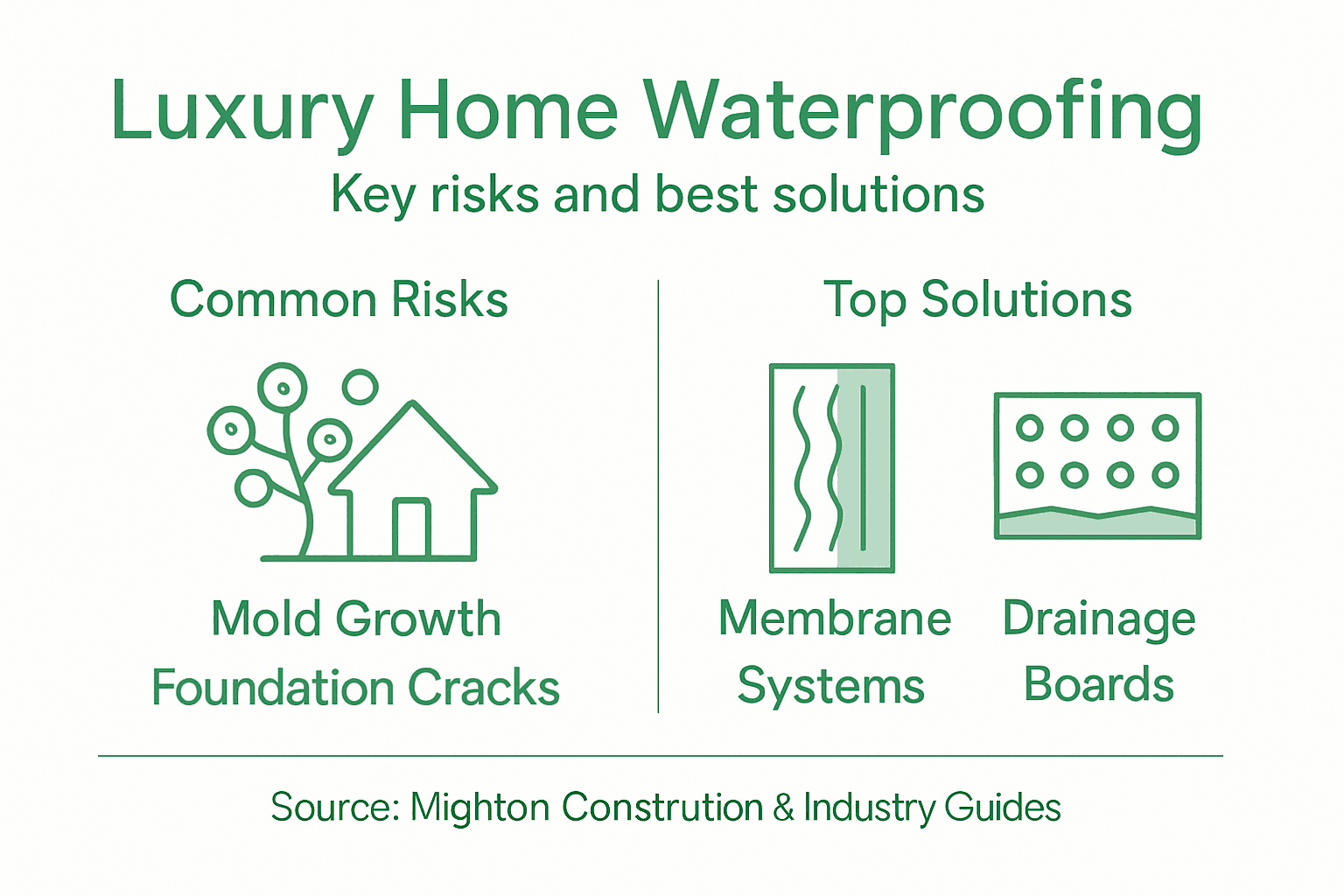
Water damage and moisture infiltration pose serious threats to luxury homes in Canada, especially in regions like South Georgian Bay where seasonal changes can challenge building integrity. The article highlights the critical need for comprehensive waterproofing membranes, advanced drainage systems, and professional assessments to safeguard foundations and maintain lasting structural strength. Ignoring these risks can lead to costly repairs, mould issues, and reduced property value.
At Mighton Construction Limited, we understand these challenges deeply. With over 30 years of experience building luxury custom homes and waterfront cottages throughout Wasaga Beach, Collingwood, and surrounding areas, we specialise in integrating high-quality waterproofing and durable foundations—such as our expertise with ICF foundations—to protect your investment. Our turn-key approach ensures every detail from design to construction prioritizes moisture protection and premium craftsmanship.
If you want to preserve your luxury home against moisture damage and avoid the common waterproofing mistakes discussed in the article, explore our comprehensive custom home building and renovation services at Mighton Construction Limited.
Take the next step to shield your property by contacting our team for a professional waterproofing consultation or learn more about building with lasting quality by visiting our Custom Homes Services. Protect your dream home now with proven expertise and superior waterproofing strategies tailored for Southern Georgian Bay’s unique climate.
Frequently Asked Questions
What is the purpose of waterproofing in luxury homes?
Waterproofing in luxury homes is essential for protecting against moisture-related damage, ensuring structural integrity, and maintaining the property’s value by preventing costly repairs and health risks associated with mould growth.
What are the most common waterproofing methods used for luxury homes?
Common waterproofing methods include sealing basement windows, installing flood barriers, applying waterproof membranes to surfaces, and ensuring proper drainage and grading to divert water away from foundations.
How often should luxury homes be inspected for waterproofing effectiveness?
It is advisable to conduct a professional waterproofing assessment annually to identify any vulnerabilities and address them before they escalate into major issues that could compromise the home’s structure.
What types of waterproofing membranes are ideal for luxury homes?
Liquid waterproof membranes are ideal for complex surfaces and outdoor areas, while sheet membranes offer durability and puncture resistance for below-ground levels. Both types can provide effective protection against moisture intrusion.