
What Is Smart Home Technology? 35% Adoption in 2026
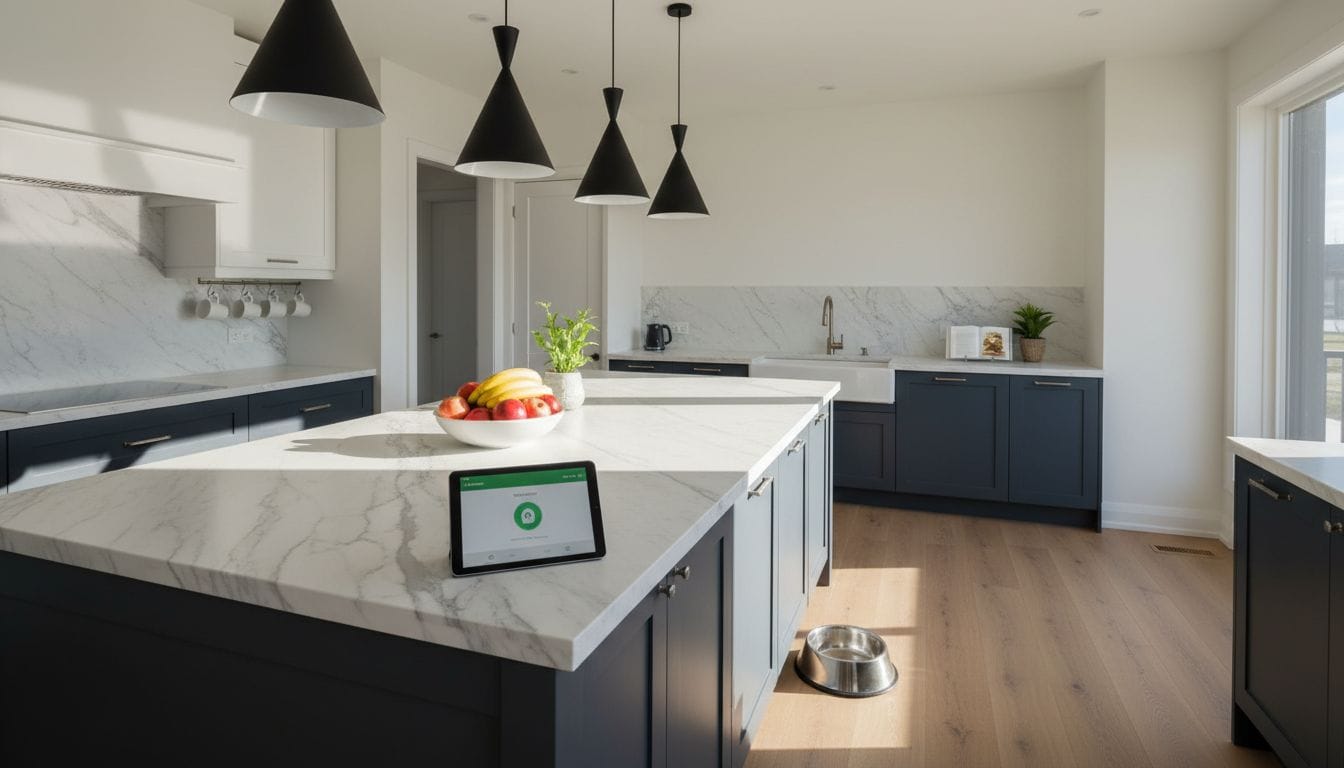
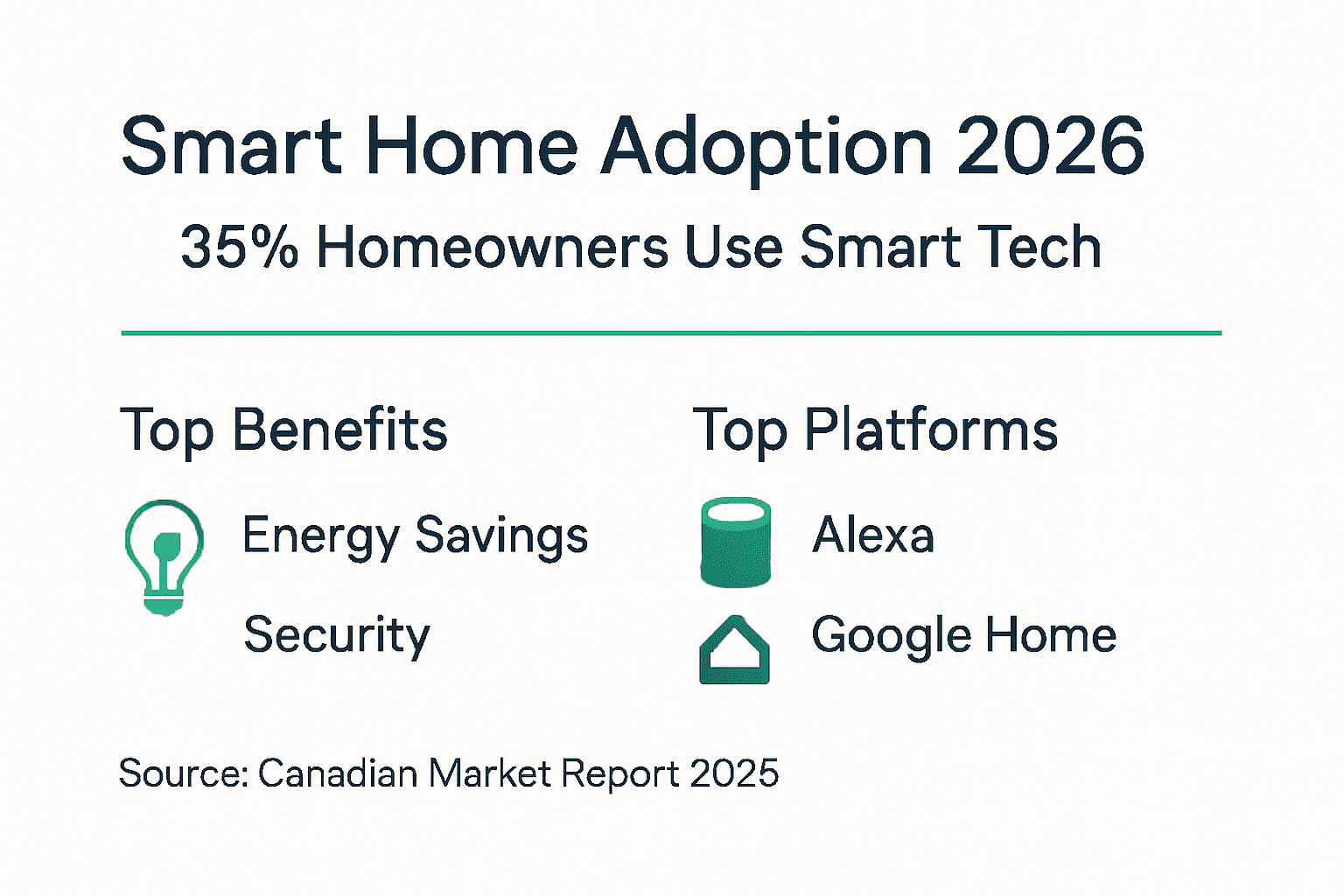
Smart home technology is reshaping how Canadian homeowners interact with their living spaces, with about 35% of Canadian homeowners owning at least one smart device in 2025. This surge reflects a fundamental shift in luxury home expectations across South Georgian Bay, where discerning homeowners seek seamless integration of comfort, efficiency, and security. This guide demystifies smart home technology, clarifies its core components, and provides practical insights for incorporating these systems into custom builds and renovations throughout Wasaga Beach, Collingwood, and Blue Mountain.
Table of Contents
- Introduction To Smart Home Technology
- Understanding Smart Home Technology: How It Works
- Benefits Of Smart Home Technology For Luxury Homes
- Common Misconceptions About Smart Home Technology
- Smart Home Platforms And Ecosystem Comparison
- Regional Considerations For South Georgian Bay Homeowners
- Implementing Smart Home Technology In Luxury Builds
- Security And Privacy Considerations
- Conclusion: Realizing The Smart Home Vision In South Georgian Bay
- Enhance Your South Georgian Bay Luxury Home With Mighton Construction
- Frequently Asked Questions
Key Takeaways
Point
Details
Adoption Growth
35% of Canadian homeowners owned smart devices in 2025, showing strong market acceptance.
Energy Savings
Smart thermostats reduce heating and cooling costs by 20 to 30 percent annually.
Security Enhancement
Automated locks, surveillance, and alerts significantly improve home safety and monitoring.
Property Value Boost
Integrated smart systems increase resale value in luxury markets.
Professional Installation
Expert integration ensures reliability, compatibility, and seamless operation across platforms.
Introduction to Smart Home Technology
Smart home technology refers to interconnected digital systems that control lighting, HVAC, security, and entertainment through centralized interfaces. These systems rely on the Internet of Things (IoT), where devices communicate via wireless networks to automate tasks and respond to user preferences. Core components include sensors that detect motion or temperature changes, controllers that process commands, network hubs that coordinate device communication, and user interfaces like smartphone apps or voice assistants.
Canadian adoption patterns reveal that homeowners prioritize convenience and energy efficiency when selecting smart devices. The growing acceptance of smart home technology in Canada demonstrates market maturity, particularly in luxury segments where buyers expect integrated automation as standard. South Georgian Bay’s discerning clientele increasingly views smart systems as essential rather than optional, driving demand for sophisticated home automation solutions in luxury custom homes.
Understanding basic terminology helps homeowners navigate technology options confidently. Automation refers to scheduled or triggered actions without manual input, while AI integration enables systems to learn patterns and adjust settings proactively. Network protocols like Wi-Fi, Zigbee, and Z-Wave determine how devices communicate, affecting range, reliability, and power consumption. Choosing compatible protocols ensures seamless operation across multiple zones and functions in larger homes.
Key smart home components include:
- Sensors that monitor environmental conditions and trigger automated responses
- Controllers and hubs that centralize device management and coordination
- User interfaces providing app-based, voice, or panel control options
- Network infrastructure supporting reliable device communication
- Integration platforms enabling cross-brand compatibility and automation
Understanding Smart Home Technology: How It Works
Smart devices communicate through wireless networks, with Wi-Fi providing broad coverage for high-bandwidth devices like cameras and streaming systems. Zigbee and Z-Wave protocols offer lower power consumption and mesh networking capabilities, ideal for sensors and switches that extend coverage throughout multi-floor luxury homes. Central control hubs act as translators, enabling devices using different protocols to work together seamlessly.
Common device categories serve distinct functions within the smart ecosystem. Smart lighting systems adjust brightness and color temperature based on time of day or occupancy, reducing energy waste while enhancing ambiance. Programmable thermostats learn heating and cooling preferences, optimizing HVAC performance for South Georgian Bay’s variable climate. Security cameras, smart locks, and motion sensors provide real-time monitoring and automated alerts when unusual activity occurs.
Automation routines eliminate repetitive manual adjustments by triggering preset actions based on conditions or schedules. Morning routines might gradually increase lighting, adjust thermostat settings, and brew coffee automatically. Evening sequences could lock doors, arm security systems, and lower window shades without user intervention. AI-powered systems analyze usage patterns over time, refining automation rules to match household rhythms and seasonal variations.
User interfaces determine how homeowners interact with their systems. Smartphone apps provide remote access from anywhere with internet connectivity, essential for monitoring vacation properties or waterfront cottages. Voice control through assistants like Alexa, Google Assistant, or Siri enables hands-free operation while cooking or entertaining. Wall-mounted touchscreens offer centralized control in high-traffic areas, combining functionality with elegant design that complements luxury interiors.
Integration complexity increases with home size and feature count, making professional smart home system architecture planning critical for luxury builds. Proper network design ensures adequate bandwidth and coverage, while thoughtful device placement optimizes sensor accuracy and control responsiveness. Certified integrators configure automation rules, test system reliability, and provide training that empowers homeowners to maximize their investment.
Pro Tip: Establish a dedicated network for smart home devices separate from personal computers and phones, enhancing both security and performance by isolating IoT traffic from sensitive data.
Benefits of Smart Home Technology for Luxury Homes
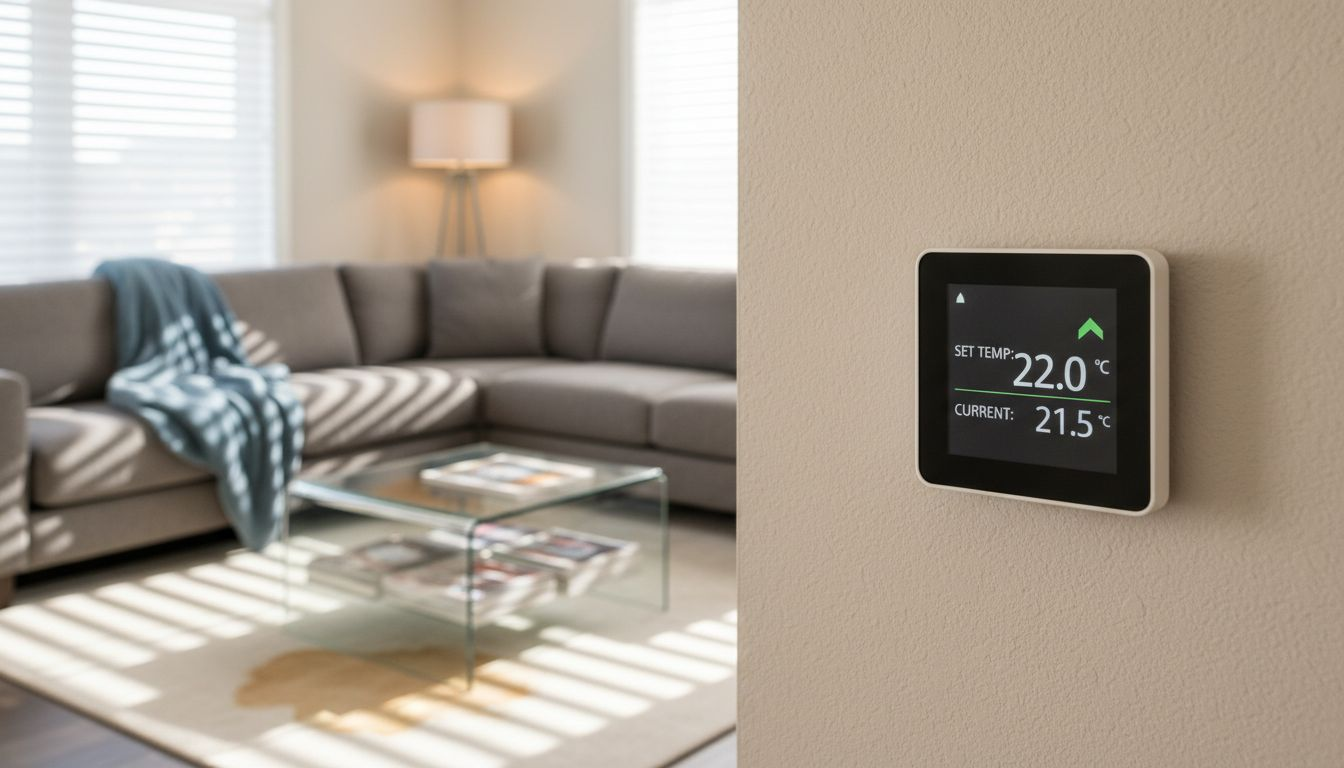
Energy efficiency gains represent one of the most measurable benefits of smart home adoption. Smart thermostats analyze occupancy patterns and weather forecasts to optimize heating and cooling schedules, achieving energy cost reductions of 20 to 30 percent in typical installations. Automated lighting systems with motion sensors and daylight harvesting prevent unnecessary energy consumption, particularly valuable in large homes with numerous zones and fixtures.
Security enhancements provide peace of mind through layered protection and real-time awareness. Smart locks enable keyless entry with unique access codes for family members, contractors, or guests, eliminating concerns about lost keys or unauthorized copies. Video doorbells and outdoor cameras with motion detection send instant alerts to smartphones, allowing homeowners to verify visitors remotely. Integration with alarm systems creates comprehensive security ecosystems that respond automatically to potential threats.
Property value appreciation follows smart technology integration, especially in luxury markets where buyers expect modern amenities. Homes with professionally installed smart systems command premium pricing and sell faster than comparable properties lacking automation. The luxury home market increasingly values integrated technology as a differentiator, recognizing that these systems deliver ongoing benefits rather than representing mere novelty.
Quality of life improvements extend beyond quantifiable metrics to encompass daily convenience and personalization. Remote control capabilities let homeowners preheat vacation cottages before arrival, adjust lighting for different activities, or verify that garage doors closed after leaving. Customization options create personalized environments tailored to individual preferences, from preferred lighting scenes to temperature settings that vary by room and time.
Smart HVAC systems can reduce annual heating and cooling costs by up to 30%, delivering substantial savings while maintaining optimal comfort in South Georgian Bay’s variable climate.
Key benefits for luxury homeowners:
- Automated energy management reducing utility costs by 20 to 30 percent
- Enhanced security through integrated locks, cameras, and alert systems
- Increased property value and market appeal in competitive luxury segments
- Remote monitoring and control of vacation properties and waterfront cottages
- Personalized environments adapting to individual preferences and routines
Common Misconceptions About Smart Home Technology
Many homeowners mistakenly view smart technology as purely convenience-focused, overlooking substantial energy savings and security benefits. While controlling lights from a smartphone offers obvious convenience, the real value emerges from automated systems that optimize energy use without requiring constant attention. Security features like smart locks and cameras provide tangible protection, not just remote viewing capabilities.
Complexity concerns often deter homeowners from pursuing smart home integration during renovations. This misconception stems from early-generation systems requiring extensive technical knowledge to configure and maintain. Modern platforms feature intuitive interfaces and professional installation services that eliminate setup challenges, ensuring systems work reliably from day one. Certified integrators handle configuration complexity, delivering turn-key solutions that homeowners control effortlessly.
Interoperability worries about devices from different manufacturers failing to work together are increasingly outdated. Major platforms like Apple HomeKit, Google Home, and Amazon Alexa support thousands of compatible devices across brands, enabling homeowners to select best-in-class products for each function. Matter protocol adoption further enhances cross-platform compatibility, allowing devices to communicate regardless of underlying ecosystem.
Cost versus ROI calculations sometimes discourage investment when homeowners focus solely on upfront expenses rather than long-term savings. Energy efficiency gains, reduced insurance premiums from enhanced security, and increased property values collectively justify initial investment. Professional integrators design scalable systems that grow with changing needs, protecting technology investments over decades.
Common misconceptions debunked:
- Myth that smart technology only provides convenience, ignoring energy and security benefits
- Belief that systems are too complex for renovation projects when professional installation ensures simplicity
- Concern that different brands won’t work together despite broad platform compatibility
- Assumption that high costs lack ROI when energy savings and property value increases justify investment
- Fear that systems quickly become obsolete when proper planning ensures long-term scalability
Pro Tip: Consult certified smart home integrators during the design phase to create tailored, scalable solutions that accommodate future technology advances without requiring complete system replacement.
Smart Home Platforms and Ecosystem Comparison
Apple HomeKit, Google Home, and Amazon Alexa represent the dominant smart home platforms, each offering distinct advantages for luxury home applications. Apple HomeKit emphasizes privacy and security through end-to-end encryption and local processing, appealing to homeowners prioritizing data protection. Google Home excels in AI-powered automation and voice recognition accuracy, learning household patterns quickly. Amazon Alexa boasts the broadest device compatibility and third-party skill ecosystem, supporting more brands than competitors.
Market share distribution reflects platform maturity and adoption patterns. Amazon Alexa leads in total device installations, while Google Home gains ground through Android integration and superior natural language processing. Apple HomeKit attracts privacy-conscious users and those deeply invested in Apple ecosystems, despite supporting fewer third-party devices than alternatives.
User interface design philosophy differs significantly between platforms. HomeKit’s iOS integration provides seamless control through existing Apple devices but limits accessibility for Android users. Google Home offers cross-platform apps with intuitive setup wizards and helpful automation suggestions. Alexa’s app supports the widest device range but can feel cluttered when managing extensive smart home installations.
Security and privacy features vary in implementation and transparency. HomeKit requires manufacturers to meet strict security standards and processes data locally whenever possible. Google Home encrypts communications but relies more heavily on cloud processing for advanced features. Amazon stores voice recordings by default unless users manually adjust privacy settings, raising concerns for some homeowners.
Platform
Device Compatibility
Privacy Focus
AI Capabilities
Best For
Apple HomeKit
Moderate
Excellent
Good
Privacy-focused Apple users
Google Home
High
Good
Excellent
Android users seeking AI automation
Amazon Alexa
Very High
Moderate
Very Good
Maximum device compatibility
Platform selection should align with existing technology preferences, privacy priorities, and specific automation goals. Homeowners committed to Apple devices benefit from HomeKit’s seamless integration and robust security. Those prioritizing voice control and AI learning find Google Home particularly effective. Amazon Alexa suits homeowners wanting maximum flexibility in device selection and third-party service integration.
Regional Considerations for South Georgian Bay Homeowners
South Georgian Bay’s climate patterns significantly influence smart home system design and automation priorities. Cold winters demand sophisticated HVAC management to balance comfort with energy costs, making programmable thermostats essential for optimizing heating schedules. Smart systems monitor weather forecasts and adjust heating proactively, ensuring homes reach comfortable temperatures before occupants arrive while minimizing energy waste during unoccupied periods.
Seasonal energy consumption varies dramatically between summer and winter months, requiring flexible automation that adapts to changing needs. Winter heating represents the largest energy expense for most homeowners, while summer cooling demands remain modest in this temperate region. Smart systems learn these patterns, automatically adjusting schedules as seasons change without requiring manual reprogramming.
Waterfront and cottage properties present unique monitoring challenges that smart technology addresses effectively. Remote temperature monitoring prevents freeze damage during extended absences, alerting homeowners to heating system failures before pipes burst. Humidity sensors detect moisture intrusion early, protecting valuable furnishings and building materials from mold damage. Security cameras provide peace of mind when properties sit vacant between visits.
Luxury multi-floor homes benefit from zone-based HVAC control that maintains different temperatures across floors and wings. Smart thermostats coordinate multiple heating and cooling zones, ensuring consistent comfort while avoiding energy waste in unoccupied areas. Motorized window treatments integrate with lighting and temperature systems, automatically adjusting to optimize natural light, privacy, and thermal efficiency throughout the day.
Local professional support proves critical for ongoing system maintenance and troubleshooting. South Georgian Bay homeowners need reliable access to certified technicians familiar with regional climate challenges and luxury home requirements. Established local integrators offer faster response times and better understand how weather patterns affect system performance.
Regional considerations for smart home planning:
- Cold climate HVAC optimization reducing winter heating costs substantially
- Seasonal automation adapting to dramatic consumption pattern shifts
- Remote monitoring protecting waterfront cottages from freeze and moisture damage
- Multi-zone temperature control in large luxury homes with complex layouts
- Local professional support ensuring rapid service and climate-appropriate solutions
Implementing Smart Home Technology in Luxury Builds
Successful implementation begins with thorough needs assessment identifying which systems deliver the greatest value for your lifestyle and property characteristics. Consider daily routines, energy consumption patterns, security priorities, and entertainment preferences to determine which devices and automation rules provide meaningful benefits. Professional integrators conduct detailed consultations, translating preferences into comprehensive system designs that balance functionality with budget constraints.
Platform selection follows needs assessment, with choices guided by device compatibility requirements, privacy preferences, and existing technology ecosystems. Homeowners should evaluate whether they prioritize maximum device selection, strongest privacy protections, or most advanced AI capabilities. Testing major platforms through starter kits before committing to whole-home integration reduces risk and builds familiarity with interface differences.
Professional installation ensures reliability and performance that DIY approaches rarely achieve in complex luxury applications. Certified integrators design robust network infrastructure, position devices optimally, configure automation rules accurately, and test system integration thoroughly. Professional custom home smart system installation eliminates common pitfalls like inadequate Wi-Fi coverage, incompatible device pairings, or poorly configured security settings that compromise performance and protection.
Automation setup transforms individual smart devices into cohesive systems delivering seamless experiences. Integrators program scenes combining multiple device actions, create schedules matching household rhythms, and establish conditional rules responding to environmental triggers. Sophisticated automation anticipates needs rather than simply responding to manual commands, distinguishing truly smart homes from collections of connected devices.
Ongoing maintenance preserves system security and functionality as technology evolves. Regular software updates patch security vulnerabilities and add new features, while periodic system reviews ensure automation rules remain relevant as household needs change. Establishing relationships with local integrators provides access to technical support, system optimization, and upgrade planning as smart home technology continues advancing.
Implementation steps for luxury smart homes:
- Conduct comprehensive needs assessment identifying priorities and budget parameters
- Select primary platform based on compatibility, privacy, and AI requirements
- Design network infrastructure supporting reliable device communication throughout property
- Install devices professionally ensuring optimal placement and configuration
- Program automation rules creating seamless, anticipatory experiences
- Test system integration thoroughly before final acceptance
- Establish maintenance schedule for updates, optimization, and ongoing support
Pro Tip: Schedule regular system reviews with your integrator every 12 to 18 months, ensuring automation rules evolve with changing household needs and new device capabilities enhance existing installations.
Security and Privacy Considerations
Cybersecurity vulnerabilities in smart home devices create potential entry points for malicious actors seeking network access or personal data. Unsecured devices with default passwords, outdated firmware lacking security patches, and poorly configured network settings expose homes to unauthorized access. Compromised cameras or microphones raise particularly serious privacy concerns, enabling surveillance without homeowner knowledge.
Strong password practices represent the first defense against unauthorized access. Each device and account should use unique, complex passwords combining letters, numbers, and symbols. Password managers simplify creating and storing secure credentials across dozens of devices and services. Enable two-factor authentication wherever supported, adding an extra verification step that blocks access even if passwords are compromised.
Guest networks isolate smart home devices from computers and smartphones containing sensitive personal and financial information. Separating IoT devices onto dedicated networks prevents compromised smart bulbs or speakers from accessing tax returns, banking apps, or confidential business files. Many routers support multiple network segments, making this security layer easy to implement during initial setup.
Regular software updates patch newly discovered vulnerabilities before attackers can exploit them. Enable automatic updates on all devices supporting this feature, ensuring security fixes install promptly without requiring manual intervention. For devices lacking automatic updates, establish monthly maintenance routines checking manufacturer websites for firmware releases and installing them systematically.
Platform privacy features vary significantly, making informed selection critical for homeowners prioritizing data protection. Choose platforms and devices offering local processing options that minimize cloud dependence, reducing both privacy risks and vulnerability to service outages. Review and adjust default privacy settings, disabling unnecessary data collection, voice recording storage, or usage tracking that provides no tangible benefit.
Security best practices for smart homes:
- Implement strong, unique passwords across all devices and accounts
- Create guest networks isolating IoT devices from sensitive personal data
- Enable automatic updates or establish monthly manual update routines
- Choose platforms emphasizing encryption and local data processing
- Configure privacy settings disabling unnecessary data collection and recording
- Partner with professional integrators for secure network design and monitoring
Conclusion: Realizing the Smart Home Vision in South Georgian Bay
Smart home technology has evolved from novelty to necessity in luxury home construction, delivering measurable benefits through energy efficiency, enhanced security, and elevated living experiences. Understanding core components, operational principles, and platform differences empowers homeowners to make informed decisions aligned with their priorities and lifestyles. The myths surrounding complexity, compatibility, and cost dissolve when homeowners partner with experienced integrators who design systems tailored to South Georgian Bay’s unique climate and luxury market expectations.
Choosing compatible platforms and investing in professional installation ensures systems operate reliably from day one, avoiding the frustration and underperformance that plague DIY approaches in complex applications. Thoughtful automation design transforms houses into responsive environments that anticipate needs, optimize resource consumption, and provide security monitoring whether homeowners are present or away. The regional considerations specific to waterfront properties, multi-floor luxury homes, and variable seasonal demands require local expertise that generic solutions cannot provide.
Smart home technology represents a sound investment enhancing both immediate quality of life and long-term property value. As adoption continues accelerating across Canadian luxury markets, homes lacking integrated systems increasingly appear dated and command lower resale values. Consulting experienced local professionals ensures your smart home vision becomes reality through careful planning, expert installation, and ongoing support that protects your investment for decades.
Enhance Your South Georgian Bay Luxury Home with Mighton Construction
Mighton Construction brings over three decades of luxury custom home expertise to smart technology integration throughout South Georgian Bay. Our team understands how to seamlessly incorporate sophisticated automation into custom home designs that reflect your vision while delivering the convenience, efficiency, and security modern homeowners expect. We coordinate with certified integrators during the design and construction phases, ensuring network infrastructure and device placement optimize performance and aesthetics.
Explore our gallery showcasing completed luxury smart home projects across Wasaga Beach, Collingwood, and Blue Mountain to visualize possibilities for your custom build or renovation. Whether you’re planning a new waterfront cottage with comprehensive automation or upgrading an existing luxury home with smart systems, our expert custom home services deliver results that exceed expectations. Contact Mighton Construction today for a personalized consultation on integrating smart home technology into your South Georgian Bay luxury home project.
Frequently Asked Questions
What is smart home technology used for?
Smart home technology automates and remotely controls lighting, HVAC, security, and entertainment systems, delivering convenience, efficiency, and enhanced safety. These systems enable personalized environment settings that adapt to individual preferences and daily routines through AI-powered learning. Homeowners monitor and manage properties remotely, particularly valuable for vacation cottages and waterfront homes that sit vacant between visits.
How do I choose the right smart home system for my luxury custom build?
Begin by assessing your lifestyle priorities, then evaluate major platforms like Apple HomeKit, Google Home, and Amazon Alexa for compatibility with desired devices and privacy features. Consider whether you prioritize maximum device selection, strongest security, or most advanced AI automation capabilities. Professional consultation ensures system design matches South Georgian Bay climate requirements and luxury home expectations while providing seamless interoperability across all components.
What are the costs and ROI of installing smart home technology?
Initial investment varies based on system complexity and home size, but energy savings of 20 to 30 percent on heating and cooling costs provide measurable annual returns. Enhanced security features reduce risk and may lower insurance premiums, while luxury market data consistently shows increased resale values for homes with professionally integrated smart systems. The combination of operational savings, security benefits, and property value appreciation typically justifies investment within five to seven years.
Can smart home technology be retrofitted in existing luxury homes or is it only for new builds?
Smart systems integrate effectively into existing luxury homes through professional retrofit planning and installation, even in complex renovation projects. Retrofitting may require network infrastructure upgrades and strategic device placement to achieve optimal performance without extensive remodeling. Certified integrators design scalable solutions that minimize disruption while delivering the same seamless operation and advanced features available in new construction applications.