
Home Renovation Explained: Key Steps and Considerations
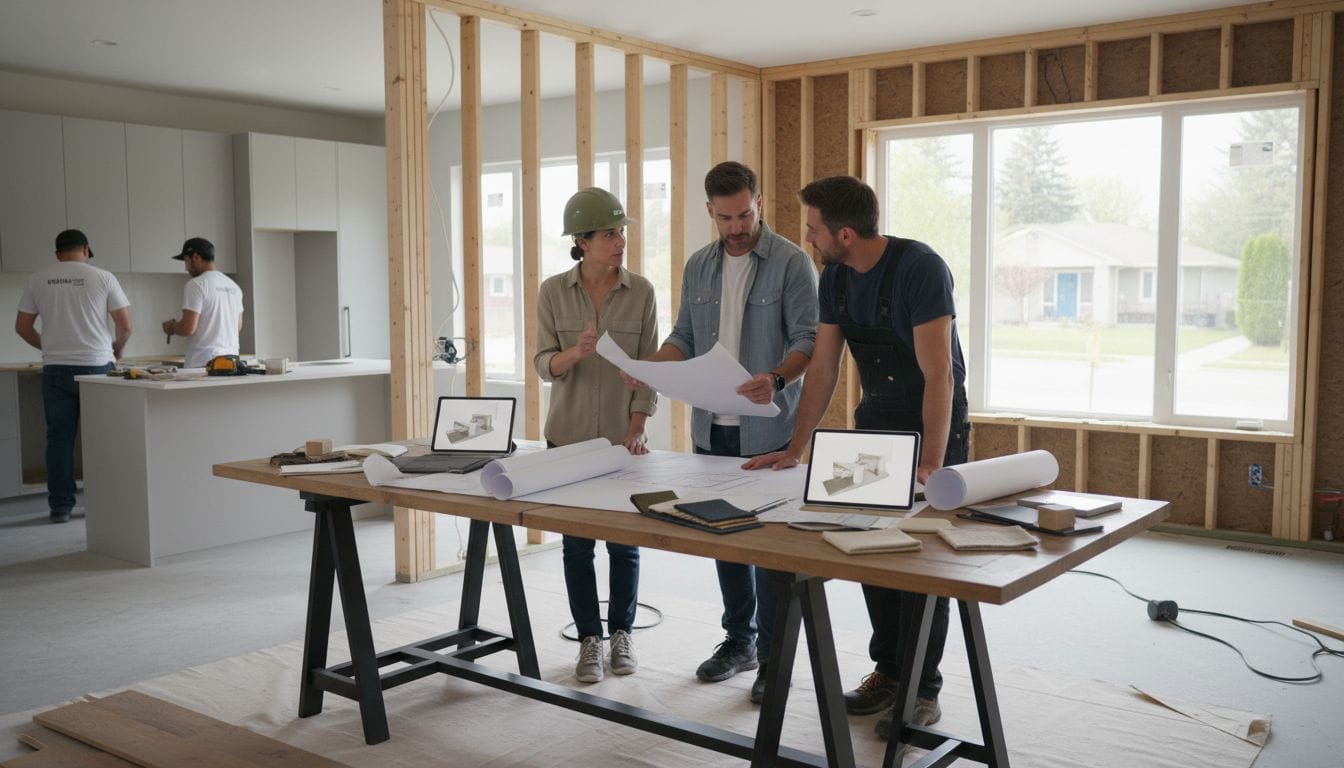
Home Renovation Explained: Key Steps and Considerations
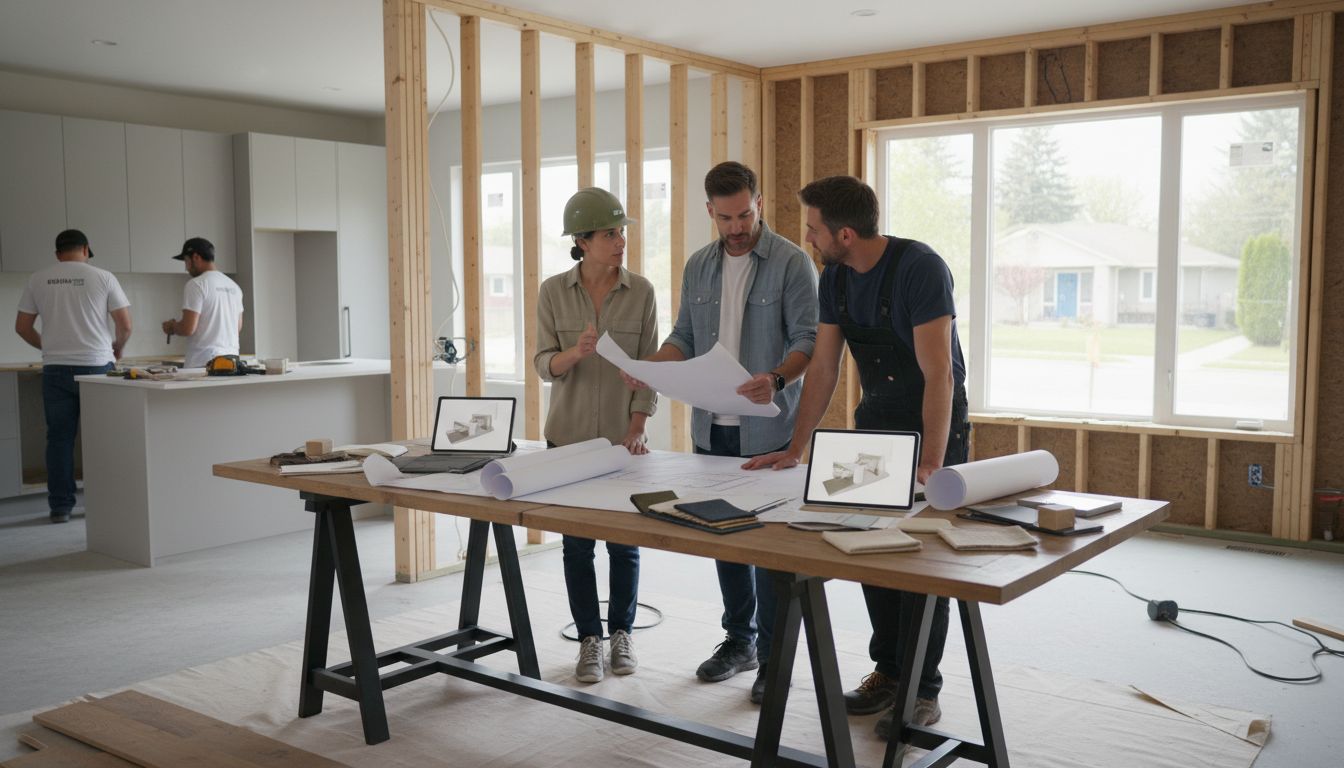 Did you know over 80 percent of homeowners plan to renovate at least one part of their house within the next year? The desire to update and personalize living spaces keeps growing, whether driven by comfort, efficiency, or property value. Understanding what home renovation really means helps you make the right choices, from small fixes to full-scale transformations that shape your daily life and investment.
Table of Contents
- What Is Home Renovation? Core Concepts Defined
- Major Types of Home Renovation Projects
- How the Home Renovation Process Works
- Legal and Permit Requirements in Ontario
- Costs, Risks, and Common Pitfalls
Key Takeaways
Point
Details
Home Renovation Defined
Home renovation involves strategic modifications to enhance residential spaces, aimed at improving functionality, aesthetics, and property value.
Types of Renovation Projects
Common categories include kitchen remodels, bathroom updates, structural modifications, and energy efficiency upgrades, each serving different homeowner needs.
Renovation Process
Successful renovations follow structured stages from initial consultation to final inspection, requiring careful planning and professional expertise.
Legal Considerations
Major renovations in Ontario typically require various permits and must comply with municipal regulations and building codes to ensure safety and legal adherence.
What Is Home Renovation? Core Concepts Defined
Home renovation represents strategic modifications and improvements made to an existing residential structure, transforming living spaces to enhance functionality, aesthetic appeal, and overall property value. Home renovation encompasses a wide range of activities designed to update, repair, modernize, or completely reimagine residential environments. According to the U.S. Environmental Protection Agency, renovation involves activities that modify existing structures, which can include repair, remodeling, maintenance, modernization, and weatherization projects. These interventions range from minor cosmetic updates to comprehensive structural transformations. The Maryland Home Improvement Commission further expands this definition, describing home improvement as additions, alterations, conversions, modernizations, and replacements of residential building components. Key renovation activities typically include:
- Kitchen and bathroom remodels
- Structural upgrades and repairs
- Electrical and plumbing system updates
- Flooring and wall treatments
- Energy efficiency improvements
- Aesthetic and design enhancements
Whole home renovation experts understand that successful renovations require careful planning, professional expertise, and a comprehensive approach to transforming living spaces. Whether you’re looking to increase your property’s market value or create a more comfortable and personalized environment, home renovation offers tremendous potential for homeowners seeking meaningful property improvements.
Major Types of Home Renovation Projects
Home renovation projects span a diverse range of improvements that transform residential spaces, addressing both functional and aesthetic needs. From minor updates to comprehensive remodels, homeowners have numerous options to enhance their living environments and increase property value. According to the Maryland Home Improvement Commission, renovation projects can be categorized into several key areas. Interior renovations include detailed work like carpentry and painting, while exterior projects encompass critical upgrades such as roofing and siding installations. The 2022 Remodeling Impact Report further highlights common renovation focus areas that deliver significant home improvement benefits. Major renovation project categories include: Here’s a summary of major home renovation project types and their typical focus areas:
Renovation Type
Common Focus Areas
Kitchen Renovations
Appliances Cabinetry Layout upgrades
Bathroom Remodels
Fixtures Tiling Improved functionality
Basement Transformations
Living space Recreation rooms Storage areas
Exterior Updates
Roofing Siding Landscaping
Energy Efficiency Upgrades
Insulation Windows Solar panels
Structural Modifications
Wall removal Room expansion Foundation work
- Kitchen Renovations: Updating appliances, cabinetry, and layout
- Bathroom Remodels: Modernizing fixtures, tiles, and functionality
- Basement Transformations: Creating additional living or recreational spaces
- Exterior Updates: Roofing, siding, and landscaping improvements
- Energy Efficiency Upgrades: Insulation, window replacements, solar panel installations
- Structural Modifications: Wall removals, room expansions, foundation repairs
For homeowners considering significant property improvements, kitchen renovation insights can provide valuable guidance on strategic home enhancement investments. Understanding the scope and potential of different renovation types helps property owners make informed decisions about their home improvement strategies. 
How the Home Renovation Process Works
Home renovation is a structured journey that transforms living spaces through careful planning, strategic execution, and professional expertise. The process involves multiple interconnected stages that require meticulous attention to detail and comprehensive understanding of design, construction, and homeowner objectives. According to the U.S. Department of Housing and Urban Development, the renovation process emphasizes critical planning phases that improve accessibility, usability, and overall home functionality. The National Association of Realtors’ 2022 Remodeling Impact Report provides additional insights into the motivational factors and financial considerations that drive homeowners to undertake renovation projects. Typical steps in the home renovation process include:
- Initial Consultation: Assessing home needs and project goals
- Design Development: Creating detailed renovation plans and blueprints
- Budget Estimation: Calculating project costs and securing financing
- Permit Acquisition: Obtaining necessary municipal approvals
- Demolition and Preparation: Clearing existing spaces
- Proper handling of older materials may also require professional asbestos removal to ensure safety and regulatory compliance during renovation.
- Construction and Installation: Implementing planned modifications
- Finishing and Detail Work: Completing aesthetic and functional elements
- Final Inspection: Ensuring quality and compliance with design specifications
- Post Construction Cleaning: Ensures that your construction and renovation dust has been completely removed before you start moving furniture in.
Benefits of hiring a general contractor can significantly streamline this complex process, providing professional guidance and ensuring smooth project execution from conception to completion. Successful renovations require collaborative planning, realistic expectations, and a comprehensive understanding of each critical stage.
Legal and Permit Requirements in Ontario
Home renovation projects in Ontario involve navigating a complex landscape of legal requirements and municipal regulations that protect homeowners, contractors, and community standards. Understanding these legal frameworks is crucial for ensuring smooth, compliant renovation processes that meet provincial and local government expectations. In Ontario, most significant home renovation projects require specific permits to ensure structural integrity, safety, and adherence to building codes. Municipalities typically mandate permits for substantial changes like structural modifications, electrical system upgrades, plumbing alterations, and additions that expand the home’s footprint. These requirements protect homeowners by ensuring professional standards are maintained and potential safety risks are mitigated. Key legal and permit considerations include:
- Building Permits: Required for structural changes, additions, and major renovations
- Zoning Compliance: Ensuring renovations meet local land-use regulations
- Ontario Building Code: Mandatory standards for construction and renovation
- Heritage Property Restrictions: Special regulations for historically designated homes
- Environmental Compliance: Regulations regarding waste disposal and environmental impact
- Electrical and Plumbing Permits: Separate approvals for specialized system modifications
Understanding soft costs in Ontario home building can help homeowners anticipate the financial and administrative complexities of navigating permit requirements. Professional contractors familiar with local regulations can significantly simplify this process, ensuring all legal requirements are met efficiently and accurately.
Costs, Risks, and Common Pitfalls
Home renovation projects represent significant financial and logistical investments that require careful planning and strategic decision-making. Understanding potential risks and financial implications is crucial for homeowners to achieve successful renovation outcomes while maintaining budget control and minimizing unexpected complications. According to the 2022 Remodeling Impact Report by the National Association of Realtors, renovation projects involve complex financial considerations that extend beyond initial cost estimates. The U.S. Department of Housing and Urban Development highlights that inadequate planning and failure to consider long-term accessibility needs can dramatically increase project costs and lead to suboptimal renovation results. Common renovation risks and potential pitfalls include:
- Budget Overruns: Unexpected expenses and scope creep
- Timeline Extensions: Delays caused by material shortages or unforeseen structural issues
- Poor Design Choices: Renovations that don’t align with home’s overall aesthetic or functionality
- Contractor Reliability: Selecting inexperienced or unreliable renovation professionals
- Permit and Compliance Challenges: Navigating complex legal and municipal requirements
- Material Quality Variations: Compromising on material selections that impact long-term durability
- Insufficient Planning: Inadequate initial assessment of home’s structural and functional needs
Understanding how long custom home construction takes can help homeowners develop more realistic expectations and prepare more effectively for potential renovation challenges. Successful projects demand comprehensive research, professional guidance, and a flexible approach to managing unexpected complexities.
Ready to Turn Your Home Renovation Vision into Reality
Navigating the complex steps of home renovation can feel overwhelming. From detailed planning and securing permits to managing budgets and timelines, the challenges are real. You want your living space to reflect your lifestyle while avoiding common pitfalls like cost overruns or design flaws. This is where expert guidance makes all the difference. Whether you are considering a complete transformation or focused upgrades in areas such as kitchens or bathrooms, understanding the process and having trusted professionals at your side is key.  Explore our Renovations Archives to see how Mighton Construction transforms homes with exceptional craftsmanship and client-first project management. Discover custom solutions ranging from luxury kitchen renovations to bathroom remodels. With over 30 years of experience serving South Georgian Bay, including Collingwood and Wasaga Beach, we bring transparent communication and expert advice to every project. Take the next step toward your dream home today by visiting Mighton Construction and let us help you make your renovation seamless and successful.
Frequently Asked Questions
What is the home renovation process?
The home renovation process involves several key stages, including an initial consultation, design development, budget estimation, permit acquisition, demolition, construction, finishing work, and final inspection.
What types of home renovation projects are commonly undertaken?
Common types of home renovation projects include kitchen renovations, bathroom remodels, basement transformations, exterior updates, energy efficiency upgrades, and structural modifications.
What are the legal and permit requirements for home renovations?
Home renovations typically require building permits for structural changes, zoning compliance, adherence to the Ontario Building Code, and adherence to regulations for heritage properties and environmental compliance.
What are the common risks and pitfalls associated with home renovation projects?
Common risks include budget overruns, timeline extensions, poor design choices, contractor reliability issues, permit challenges, material quality variations, and insufficient planning.
Recommended
- Is a Kitchen Renovation a Good Investment? - Mighton Construction | Luxury Custom Homes & Renovations
- Whole Home Renovation Experts | Design & Build | Mighton Construction
- Transform Your Space: The Ultimate Guide to Kitchen Renovations in Wasaga Beach - Mighton Construction | Luxury Custom Homes & Renovations
- Adding Value to Your Home with a Bathroom Renovation
- Where to Start When Your Whole House is a Mess: Expert Tips – BLUSHBEES USA