
Construction Management in Canada: Why It Matters
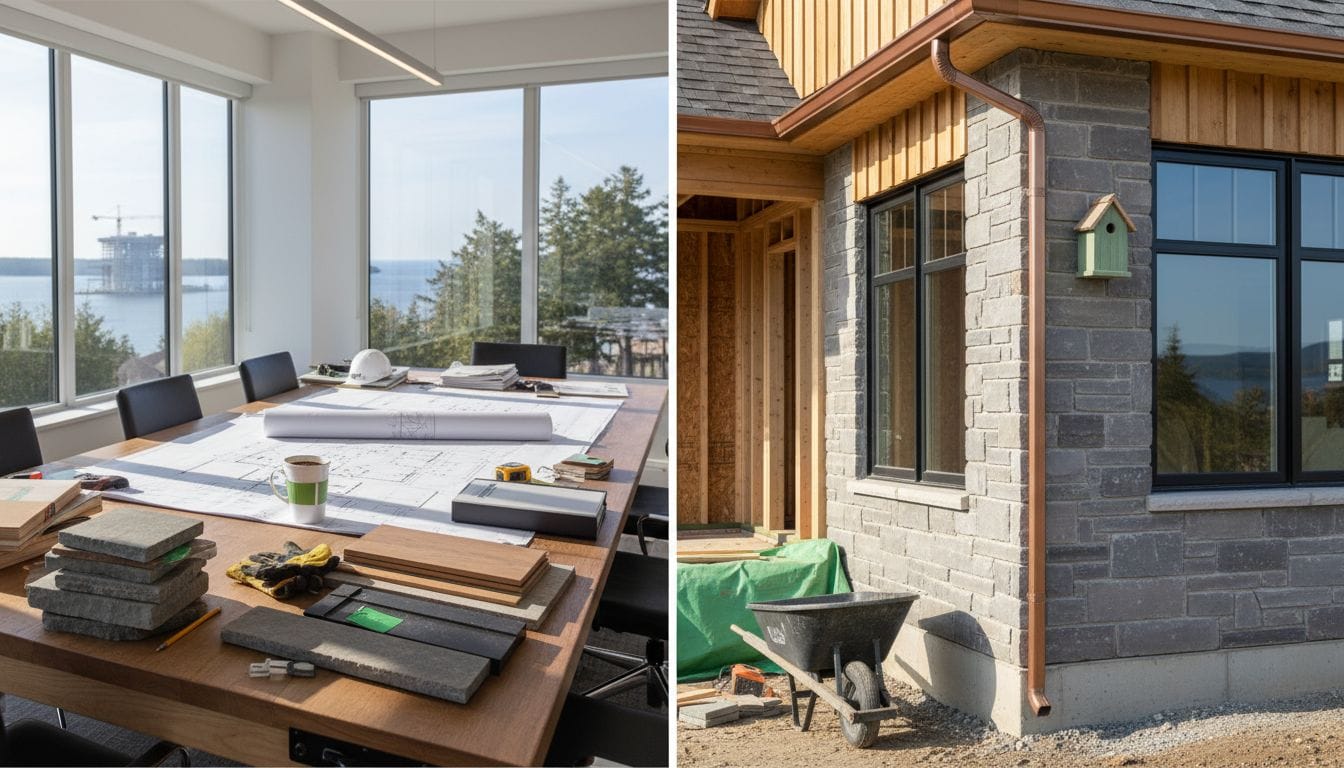
Choosing the right team for your custom home or high-end renovation in South Georgian Bay involves more than picking a builder and signing papers. Attention to detail and expert coordination are what separate a rewarding project from costly headaches. Understanding construction management involves planning and coordinating the efforts of architects, engineers, and contractors, ensuring your investment stays on schedule, on budget, and fully compliant with Canadian building codes. Gain clarity on how professional oversight makes your luxury build run smoothly from start to finish.
Table of Contents
- Defining Construction Management For Homeowners
- Core Roles And Responsibilities Explained
- Key Stages In The Construction Process
- Types Of Construction Management Approaches
- Costs, Risks, And Client Impact
Key Takeaways
Point
Details
Importance of Construction Management
Effective construction management ensures project coordination, budget control, and adherence to timelines, preventing costly delays and overruns.
Roles and Responsibilities
A construction manager oversees planning, scheduling, procurement, and quality control, acting as a central point of communication among all stakeholders.
Stages of Construction
Understanding key stages, from feasibility assessment to project closeout, helps homeowners anticipate what to expect and manage budgets effectively.
Choosing an Approach
Selecting the right construction management style, such as design-build or CMAR, can significantly influence project outcomes and client satisfaction.
Defining Construction Management for Homeowners
Construction management is not simply hiring a contractor and hoping everything works out. It’s a structured approach to planning, coordinating, and supervising every aspect of your building project. For homeowners in South Georgian Bay planning custom homes, renovations, or cottage construction, understanding what construction management truly entails can mean the difference between a smooth project and one filled with delays, cost overruns, and frustration.
At its core, construction management involves planning and coordinating the efforts of architects, engineers, contractors, and suppliers to keep your project moving forward according to schedule and budget. Think of it like conducting an orchestra: each musician plays their instrument well, but without a conductor guiding them, the music falls apart. Your construction manager serves that role, ensuring all the moving pieces align. They manage timelines, track budgets, handle permit requirements, quality control, and communication among all stakeholders. They also navigate Canadian building codes and provincial regulations that apply to your specific property and project type. For luxury custom homes and high-end renovation projects like kitchen remodels or bathroom upgrades, this coordination is essential because precision and attention to detail directly impact your investment.
Many homeowners underestimate how complex even a straightforward renovation can become. When you’re managing custom home construction or major renovation work, dozens of decisions need to be made quickly and correctly. Should the framing contractor start before electrical rough-in is inspected? Which material suppliers deliver on schedule? What happens when weather delays exterior work? How do you stay within budget when change orders arise? Construction managers handle these decisions based on experience and expertise, preventing costly mistakes. They also serve as a buffer between you and the day-to-day challenges of the job site, allowing you to stay informed without being overwhelmed. Understanding these responsibilities helps you appreciate why effective construction management matters so much for your custom home or renovation project in Wasaga Beach, Collingwood, or any part of Simcoe County.
Construction management also protects your interests through risk management and quality assurance. Your manager monitors work quality, ensures contractors follow building codes, handles inspections, and documents everything. If issues arise, they address them immediately rather than letting them compound into expensive problems later. For homeowners investing in high-end properties or complex builds like ICF-built homes with specialized foundations, this level of oversight is invaluable. You gain clarity on processes, roles, and regulatory frameworks, which enables confident decision-making throughout the project.
Pro tip: Ask your construction manager for weekly written progress reports that include completed work, upcoming tasks, budget status, and any issues that need your attention. This simple communication tool keeps you informed without requiring constant job site visits.
Core Roles and Responsibilities Explained
A construction manager wears many hats on your project. Unlike a general contractor who focuses primarily on executing the work, a construction manager takes a broader view. They oversee the entire operation, which means they need expertise across planning, finance, safety, quality, and relationships. Construction managers direct and evaluate construction activities from start to finish, ensuring your custom home or renovation in Wasaga Beach, Collingwood, or any part of Simcoe County runs smoothly. Understanding what they actually do helps you know what to expect from them and how to work with them effectively.
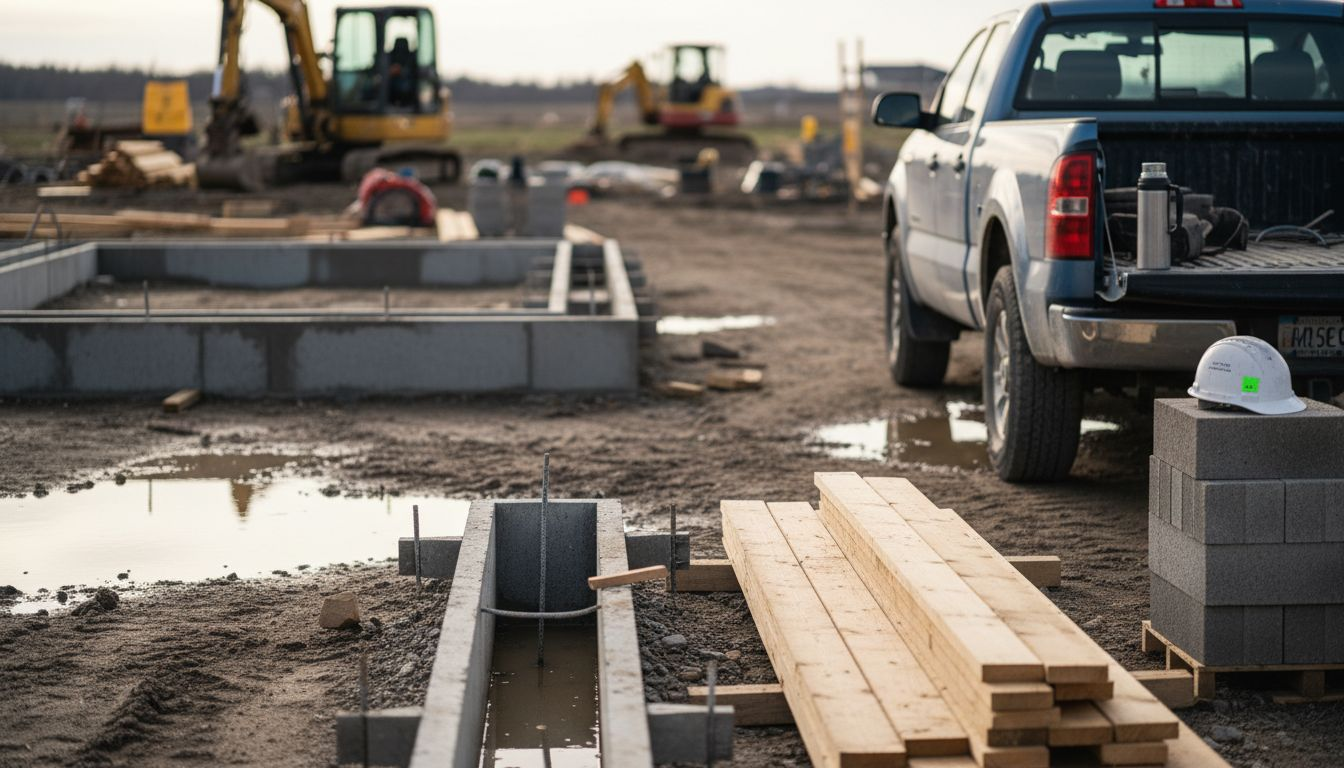
The core responsibilities break down into several critical areas. Project planning and scheduling form the foundation. Your construction manager creates realistic timelines, accounting for permit approvals, material deliveries, weather conditions, and the sequencing of different trades. For a luxury custom home build, this might involve coordinating foundation work, framing, electrical, plumbing, HVAC, and finishing stages so that each trade enters the job site at exactly the right moment. A single mistake in sequencing can cascade into weeks of delays. Budget management is equally vital. The manager tracks every expense, monitors costs against the estimate, identifies where you might be overspending, and alerts you to potential issues before they spiral. They manage change orders so you understand exactly what each modification costs before approving it. Procurement and contract management involve selecting suppliers, negotiating terms, ensuring contracts are clear and fair, and holding vendors accountable for delivery dates and quality.
Risk assessment and quality control protect your investment. Your construction manager identifies potential problems early, from structural concerns to material shortages, and develops solutions. They conduct regular inspections to ensure work meets Canadian building codes and your project specifications. For specialized builds like ICF-built homes or accessible design renovations, this oversight ensures every detail meets requirements. Safety and compliance fall squarely on the manager’s shoulders. They maintain a safe job site, ensure all workers follow regulations, and document everything for legal protection. Communication and stakeholder management might be the most underrated responsibility. Your construction manager serves as the central point of contact between you, architects, engineers, contractors, suppliers, inspectors, and municipality officials. They translate technical information into language you understand, keep everyone informed, and resolve conflicts that inevitably arise during construction.
What separates a strong construction manager from an average one is their ability to juggle these responsibilities without dropping the ball. They stay organised amid chaos, make decisions quickly when needed, and always keep your project goals in focus. For homeowners managing complex projects like kitchen and bathroom remodels that require careful coordination with electrical, plumbing, and structural work, this expertise proves invaluable. They think strategically about how decisions today affect timelines and costs tomorrow. When you hire a construction manager, you’re not just getting someone to tick boxes on a checklist. You’re investing in someone who prevents problems, solves unexpected issues, and protects your money.
Pro tip: Request an organiser chart from your construction manager that clearly defines who reports to whom, decision-making authority, and emergency contact information for each trade and supplier. This clarity eliminates confusion and accelerates problem-solving when issues arise.
Key Stages in the Construction Process
Every construction project in Canada follows a logical progression, whether you’re building a custom home in Blue Mountain, renovating a kitchen in Wasaga Beach, or constructing a waterfront cottage on South Georgian Bay. Understanding these stages helps you anticipate what’s coming, plan your budget accordingly, and work effectively with your construction manager. The process isn’t random or improvised. The key stages include initiation and feasibility assessment, detailed planning and scheduling, procurement of materials and services, execution, monitoring and controlling quality, and project closeout with final inspections and handover. Each stage builds on the previous one, and skipping or rushing through any stage can create problems later.
Stage 1: Initiation and Feasibility Assessment
Before any work begins, your project needs a solid foundation. This stage involves defining your vision, confirming the site is suitable for your plans, and assessing whether the project is financially and technically viable. Your construction manager will review zoning regulations, soil conditions, access routes, and utility availability. For luxury custom homes or cottage builds in Simcoe County, this might include environmental assessments or waterfront considerations. Permits are identified and timelines estimated. Budgets are developed based on preliminary designs and market research. This stage feels slow to homeowners eager to start building, but it’s where critical decisions get made that affect everything downstream. A thorough feasibility assessment prevents costly surprises later.
Stage 2: Detailed Planning and Scheduling
Once your project is deemed feasible, planning becomes detailed and specific. Architects and engineers develop construction documents. Your construction manager creates a comprehensive schedule that sequences every trade and task. They identify critical path items, anticipate dependencies, and build in buffers for weather and inspections. For a bathroom renovation or kitchen remodel, this might seem straightforward, but even these projects require careful coordination of plumbing, electrical, framing, and finishing work. Materials are specified, and procurement timelines are established. This stage transforms your vision into a detailed roadmap that keeps everyone aligned.
Stage 3: Procurement of Materials and Services
Your construction manager sources suppliers, negotiates pricing and terms, and places orders timed to site needs. Ordering too early ties up money and creates storage problems. Ordering too late causes project delays. For custom homes with premium materials or specialised building methods like ICF foundations, procurement expertise is invaluable. Contracts are drafted clearly, specifying delivery dates, quality standards, and payment terms. Suppliers are vetted and held accountable.
Stage 4: Execution and Site Work
This is where visible construction happens. Excavation, foundation work, framing, mechanical trades, and finishing all occur according to the schedule. Your construction manager ensures crews follow the plan, maintain safety standards, and meet quality expectations. Daily logs document progress, issues, and decisions. Change orders are processed promptly with clear cost impacts. For homeowners, this stage lasts longest and creates the most uncertainty. Your manager keeps you informed so you understand what’s happening and why.
Stage 5: Monitoring, Controlling, and Quality Assurance
Throughout execution, your construction manager monitors progress against the schedule and budget. They conduct inspections, address quality concerns immediately, and document everything. If problems arise, they’re solved before they cascade into bigger issues. They coordinate with inspectors from municipalities to ensure compliance with building codes.
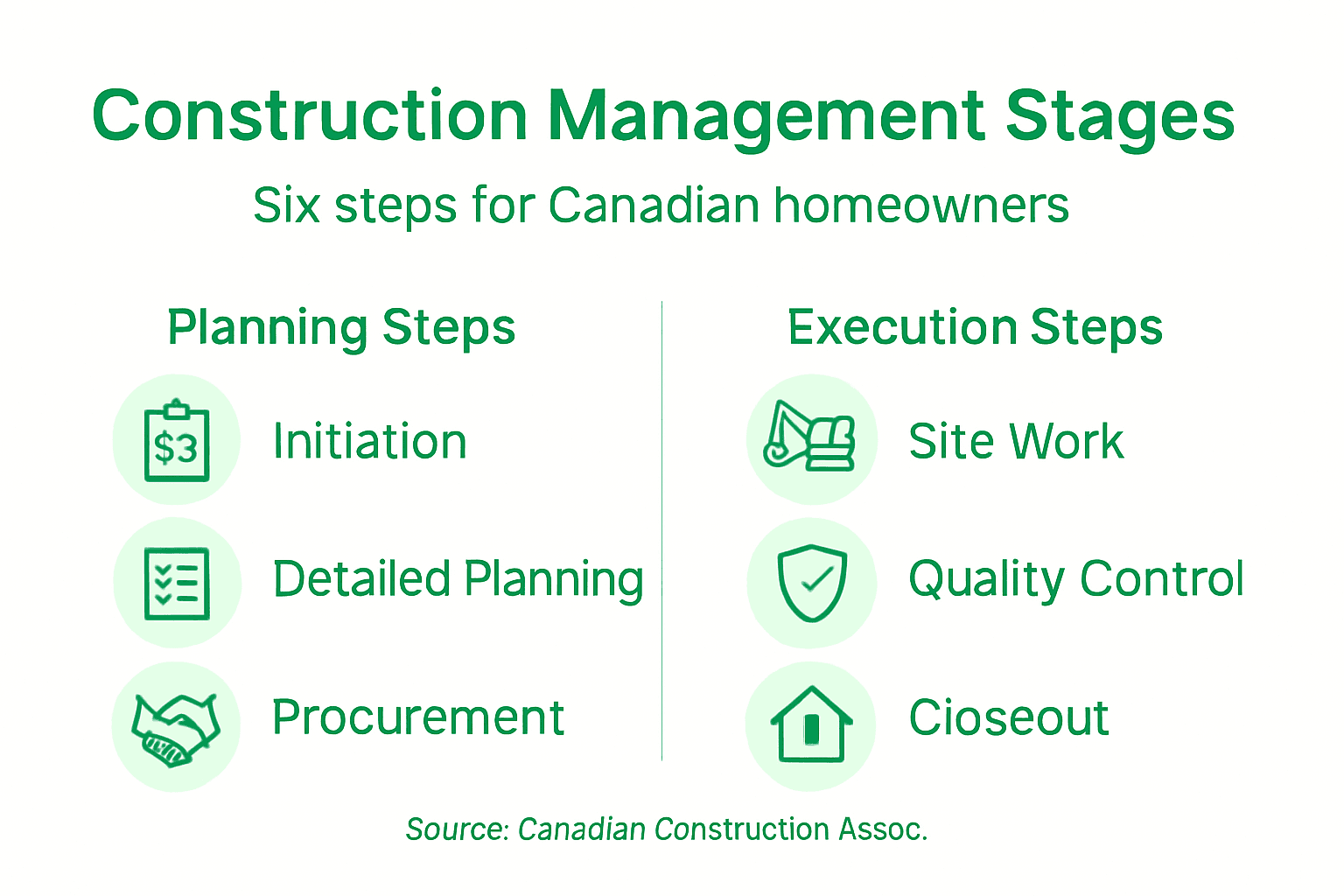
Stage 6: Project Closeout and Handover
As construction nears completion, final inspections occur. Deficiencies are addressed. All documentation, warranties, and permits are compiled. Once your construction manager confirms everything meets specifications and codes, the project is handed over to you. This stage ensures you receive exactly what was promised and that all legal obligations are satisfied.
Understanding these stages transforms how you experience your project. You know what to expect and when to expect it. You can monitor progress and anticipate upcoming decisions. When your construction manager explains what’s happening next, it makes sense because you understand the bigger picture.
Pro tip: Request a detailed master schedule at the beginning of your project that shows all major stages, key milestones, and decision points. Update it monthly and review it with your construction manager to spot potential delays before they happen.
Types of Construction Management Approaches
Not all construction projects are managed the same way. The approach you choose affects who bears the risk, how decisions get made, how much control you have, and ultimately how your project progresses. Different construction management approaches include traditional project delivery, design-build, construction management at risk, and integrated project delivery, each with distinct advantages and trade-offs. Understanding these options helps you select the method that best fits your project complexity, timeline, and budget comfort level. For homeowners in South Georgian Bay planning custom builds or renovations, the right approach can mean the difference between a smooth process and one filled with friction.
Traditional Project Delivery
This approach follows a clear sequence: design first, then bid for construction, then build. You hire an architect to create detailed plans and specifications. Multiple contractors then bid on the work based on those complete plans. The lowest qualified bidder typically gets hired. The designer and builder work separately, with minimal overlap. This method works well when you have a clear vision and want competitive pricing. However, it can be slower because design must finish before construction begins. Builders cannot suggest cost saving ideas during design because they aren’t yet involved. Changes made during construction often cost more because the plans were already finalised. For straightforward renovation projects like bathroom or kitchen remodels in Wasaga Beach, this approach can work efficiently.
Design-Build Approach
Here, a single entity handles both design and construction. You work with one company throughout the entire process, from initial concept through final handover. The designer and builder collaborate from day one, so construction insights inform design decisions. This approach reduces miscommunication, accelerates timelines, and often identifies cost efficiencies early. The downside is that you have less competitive bidding because you’re hiring one integrated team rather than shopping around. For luxury custom homes, waterfront cottages, or specialised projects like church design and construction services, this method streamlines the process and improves coordination. You benefit from single-point accountability and seamless communication.
Construction Management at Risk (CMAR)
In this model, you hire a construction manager early in the design phase. They work with the architect as an advisor, providing budget and scheduling input while design develops. Once design is substantially complete, the construction manager commits to a guaranteed maximum price. If the project costs less, you share the savings. If it costs more, the construction manager absorbs the excess. This approach balances risk and reward. You get early cost visibility and schedule input from someone with construction expertise. The construction manager is incentivised to manage costs effectively because they’re at risk financially. This works well for complex projects where early input from a builder adds value. However, it requires trust between parties and clear communication.
Integrated Project Delivery (IPD)
This collaborative approach involves you, the architect, the construction manager, and key trades all working as a unified team from the start. Everyone has shared financial incentives based on overall project success. Decisions are made collaboratively rather than hierarchically. This maximises innovation and problem solving but requires strong relationships and clear agreements about how decisions get made. IPD works best for complex, high-value projects where collaboration creates significant value.
Which Approach Works for You
The choice depends on several factors. How clear is your vision? How important is budget certainty versus competitive pricing? How complex is your project? How much do you value single-point accountability? For most homeowners in Simcoe County pursuing custom homes or major renovations, either design-build or CMAR approaches provide good balance between control, innovation, and efficiency. Design-build offers simplicity and speed. CMAR offers early input and shared risk management. Traditional delivery works when plans are clear and you want competitive bidding. The wrong approach can add months to your timeline or thousands to your costs. The right one keeps your project moving smoothly.
Here’s how common construction management approaches compare on key factors:
Approach
Risk Allocation
Design Flexibility
Preferred for
Traditional Delivery
Homeowner bears most risk
Limited after design completes
Simple renovations
Design-Build
Shared, with contractor main point
High, with collaborative input
Custom homes, complex projects
CM at Risk
Shared, with manager exposed to cost overruns
Moderate to high, early input
Projects needing early cost control
Integrated Project Delivery
Risks shared by all parties
Highest, with team-wide input
Large, innovative builds
Pro tip: Before selecting your construction management approach, clarify your top three priorities: Is it budget certainty, timeline speed, or design flexibility? Your priorities should drive which approach makes most sense for your specific project.
Costs, Risks, and Client Impact
Every construction project carries financial and operational risks. A kitchen renovation that starts in January might face supply chain delays. A custom home build could encounter unexpected soil conditions requiring foundation adjustments. Weather can derail carefully planned schedules. Material prices fluctuate. Trades become unavailable. Without skilled construction management, these risks transform into budget overruns, timeline extensions, and frustrated homeowners. Construction management in Canada involves careful management of costs and risks to minimise financial overruns and delays, which is why the approach you choose matters significantly for your investment in Wasaga Beach, Collingwood, or anywhere across South Georgian Bay.
Understanding the Cost Impact
Constructing a luxury custom home or executing a major renovation requires precise budget management. Your construction manager evaluates budget estimates thoroughly, breaking them into line items for labour, materials, permits, inspections, and contingencies. They track every expenditure as the project progresses. When costs run higher than expected, they identify why and present options. Maybe materials cost more because supplier pricing changed. Perhaps an unforeseen structural issue requires additional framing. Your manager presents the facts and cost implications, allowing you to decide whether to proceed, modify scope, or explore alternatives. This transparency prevents surprises at the end.
Contingency planning is critical. Most projects include a contingency budget, typically 5 to 10 percent of total costs, reserved for unexpected issues. A thorough construction manager uses this reserve judiciously, not wastefully. They distinguish between true emergencies requiring contingency funds and cost increases that should come from specific budget line items. For high-end projects like waterfront cottages or ICF-built homes with specialised foundations, experienced managers know where hidden costs commonly arise. They anticipate problems and plan accordingly.
Identifying and Mitigating Risks
Risks in construction fall into several categories. Schedule risks include weather delays, labour availability, and material delivery timing. Quality risks emerge when specifications aren’t clear or workmanship doesn’t meet standards. Financial risks occur when costs exceed estimates or change orders spiral. Regulatory risks arise when permits are delayed or building code interpretations differ. Your construction manager identifies these risks during planning and develops mitigation strategies.
For example, if you’re building during winter in Ontario, your manager plans for weather contingencies. They might schedule concrete work during warmer months or arrange temporary heating. If a project requires specialised trades that are hard to find, they secure commitments early. If materials are in short supply, they order ahead or identify acceptable alternatives. They don’t wait for problems to happen. They anticipate them and plan around them.
Below is a summary of the main risks in residential construction and how proactive management mitigates them:
Risk Type
Typical Impact
Management Solution
Weather delays
Missed deadlines, cost increases
Build schedule contingencies
Scope changes
Budget overruns
Prompt change order tracking
Supplier issues
Material shortages, downtime
Multiple vetted suppliers
Regulation gaps
Failed inspections, fines
Early permit reviews, code checks
How Effective Management Protects You
When construction management is done well, you experience several direct benefits. First, effective management contributes to client confidence by delivering projects on time and within budget while maintaining desired quality and regulatory compliance. You know where money is going. You understand why decisions get made. You’re not blindsided by cost increases or delays. Second, your risks are substantially reduced. A construction manager’s experience and planning prevent many problems from occurring at all. When unexpected issues do arise, they’re handled quickly with minimal impact. Third, your investment is protected. A manager who tracks quality, documents deficiencies, and ensures compliance protects you legally and ensures you receive exactly what you paid for.
The Real Cost of Poor Management
Without skilled construction management, costs and risks compound. A 10 percent schedule delay might seem minor until you realise it extends your temporary housing costs by months. A 5 percent budget overrun on a half-million-dollar custom home equals twenty-five thousand dollars. Unaddressed quality issues discovered after project completion can cost tens of thousands to remedy. Poor communication between trades creates rework and delays. Material delivery coordination failures stop the entire schedule. These scenarios aren’t hypothetical. They happen regularly on projects without proper oversight.
For affluent homeowners in South Georgian Bay, construction management isn’t a luxury add-on. It’s essential protection for your investment. Whether you’re building a dream home in Blue Mountain, renovating a bathroom in Collingwood, or constructing a church in Simcoe County, skilled management keeps your project on track, within budget, and meeting quality standards. The cost of hiring a professional manager is far less than the cost of managing problems after they occur.
Pro tip: Require monthly cost reports from your construction manager that show actual spending versus budget for each line item, cumulative spending to date, and projected final costs. Ask specifically about cost risks and mitigation plans so you stay informed before surprises happen.
Take Control of Your Construction Project with Expert Management
Construction management involves navigating complex schedules, budgets, permits, and trades to keep your custom home or renovation on track. If you want to avoid costly delays and unexpected expenses in South Georgian Bay, partnering with a trusted construction manager is essential. At Mighton Construction Limited, we bring over 30 years of local expertise managing projects from initial concepts to flawless completion. Whether it is a luxury custom home, a waterfront cottage, or a high-end renovation, our team ensures transparent communication, rigorous quality assurance, and proactive risk management so you can enjoy peace of mind.

Ready to experience stress-free building or renovation in Wasaga Beach, Collingwood, or beyond? Discover how our comprehensive construction management services complement your vision by visiting our Insulation Archives - Mighton Construction | Luxury Custom Homes & Renovations page and explore our full offering at Mighton Construction Limited. Take the first step to exceptional craftsmanship and expert oversight by contacting us today.
Frequently Asked Questions
What is construction management?
Construction management involves planning, coordinating, and supervising all aspects of a building project to ensure it stays on schedule and within budget. It includes managing timelines, tracking expenses, handling permits, and ensuring quality control.
Why is construction management important for homeowners?
Effective construction management is crucial for homeowners because it helps prevent costly mistakes, delays, and communication issues during the construction process. A skilled construction manager acts as a buffer, keeping the project on track and protecting the homeowner’s investment.
What are the key responsibilities of a construction manager?
A construction manager oversees project planning and scheduling, budget management, procurement of materials, risk assessment, quality control, and communication among all stakeholders. They ensure that all work complies with building codes and is completed to specifications.
How can I ensure my construction project runs smoothly?
To ensure a smooth construction project, hire an experienced construction manager, request regular progress reports, establish clear communication channels, and maintain a detailed master schedule. Being actively involved and informed throughout the process also helps mitigate issues before they escalate.