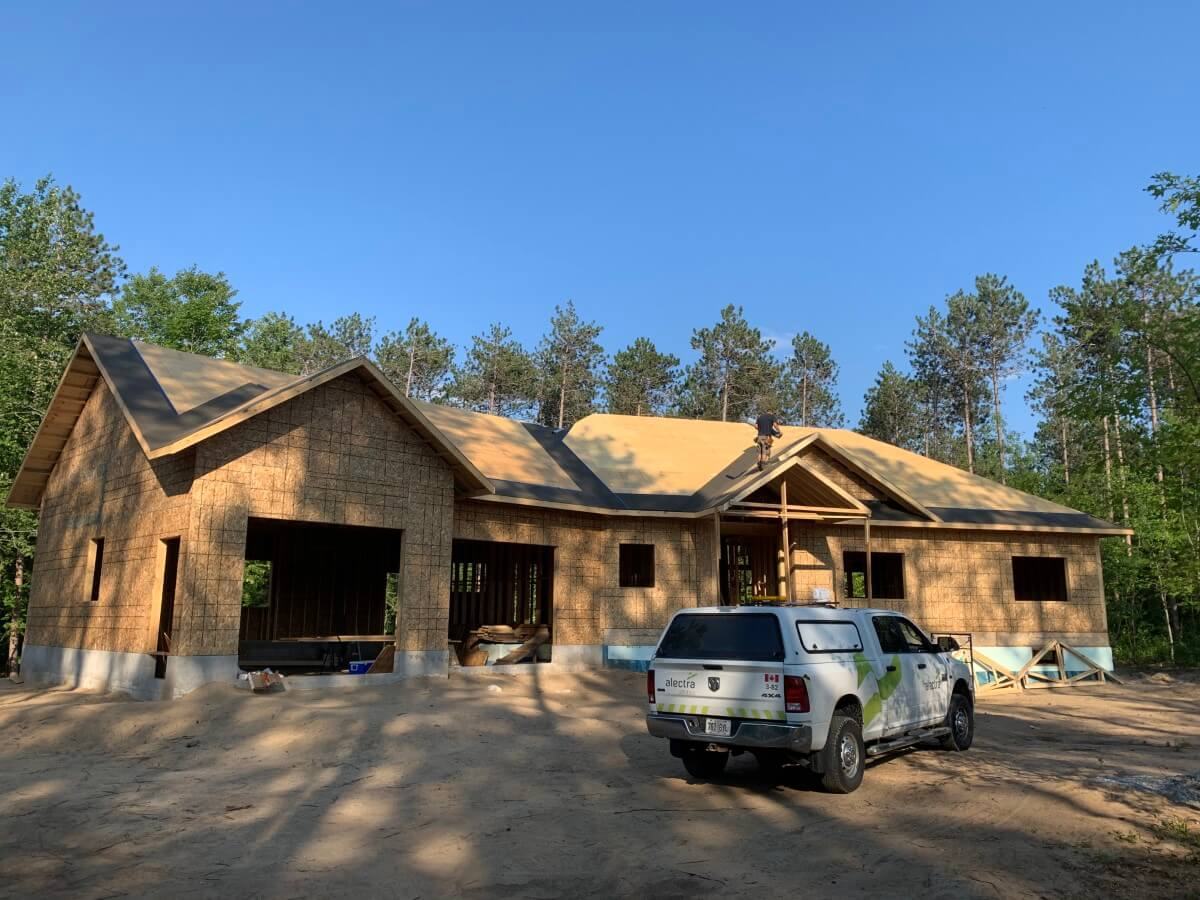
Cost to Demolish a House in Ontario: Tear Down and Rebuild Guide

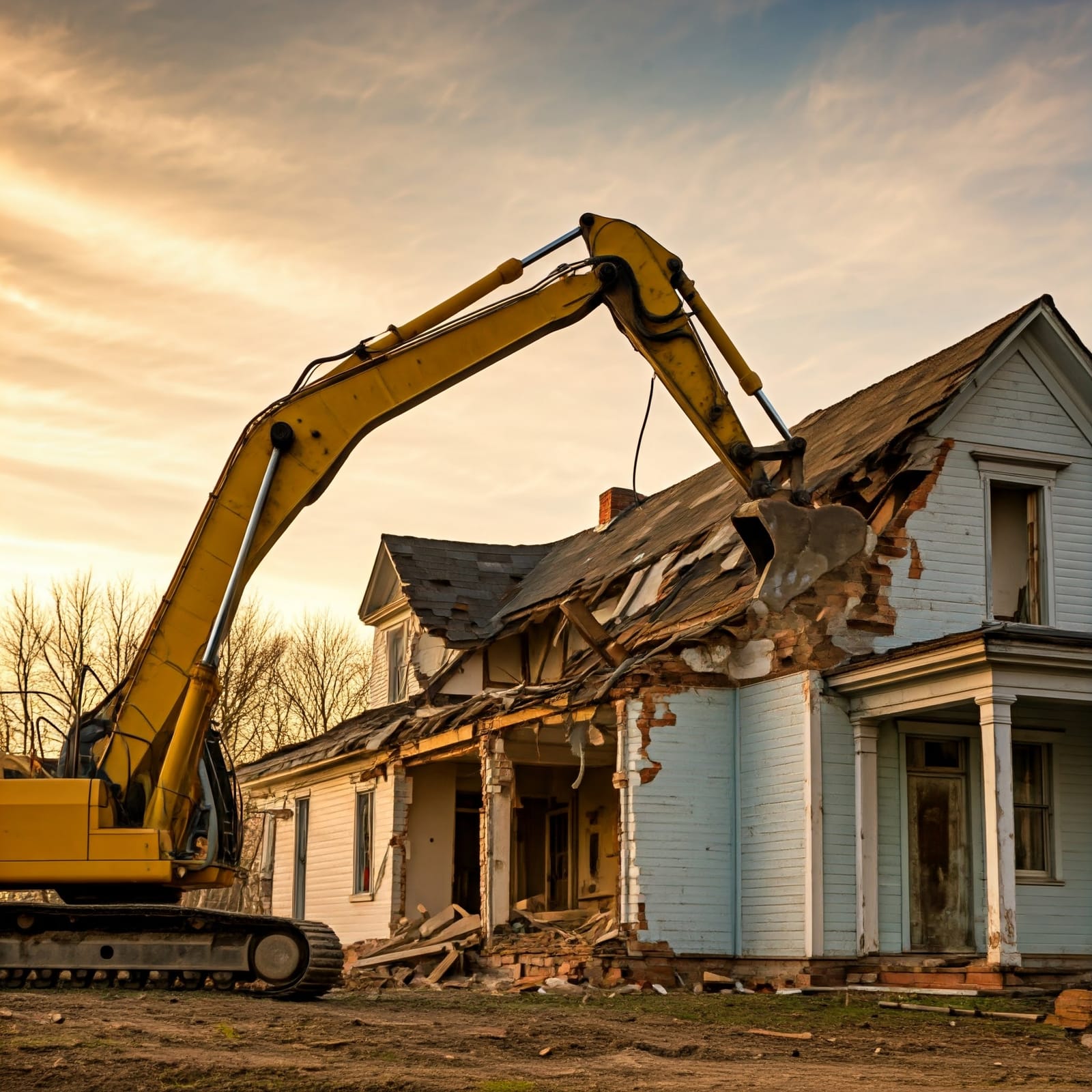
The cost to demolish a house in Ontario is typically $10,000–$30,000 for a standard home. That covers the demolition contractor ($8,000–$25,000), permit fees ($500–$2,500), debris removal and utility disconnection, with another $2,000–$10,000 if asbestos, lead or mould has to come out first. The demolition itself usually takes 1–2 weeks. See the full demolition cost breakdown, or read on for when tearing down beats renovating and what the rebuild costs.
- 1–2 weeks to demolish a typical residential home
- $10,000–$30,000 demolition cost range in Ontario
- Up to 40% energy savings from a new build versus the house it replaces
What You’ll Learn in This Guide
- When to choose tear down over renovation
- Permits and legal requirements
- Cost to demolish a house in Ontario
- Step-by-step demolition process
- Site preparation for new construction
- Environmental considerations
Why This Guide Matters
Tear down and rebuild projects have increased by 35% in Ontario over the past 3 years. With rising property values and the desire for energy-efficient homes, more homeowners are choosing to start fresh rather than renovate outdated structures.
When to Choose Tear Down Over Renovation
Choose Tear Down When:
- Structural damage exceeds 50% of home value
- Layout doesn’t suit modern living
- Foundation issues are extensive
- You want to maximise property potential
- Energy efficiency upgrades would be costly
Consider Renovation When:
- Home has historical significance
- Good structural foundation exists
- Budget constraints limit options
- Neighbourhood restrictions apply
- Timeline is critical

Essential Pre-Demolition Assessments
Structural Engineering Evaluation
A qualified structural engineer will assess the foundation, load-bearing walls, and overall structural integrity. This evaluation typically costs $500-1,500 but can save thousands by identifying whether renovation is still viable.
Environmental Hazard Assessment
Homes built before 1980 often contain asbestos, lead paint, or other hazardous materials. Professional testing costs $300-800 but is mandatory for safe demolition.
Asbestos work in Ontario is governed by O. Reg. 278/05 under the Occupational Health and Safety Act, which sets out survey, classification, and removal requirements before demolition begins. The province also publishes guidance on asbestos in the workplace covering contractor obligations.
Important: Disturbing hazardous materials without proper protocols can result in fines up to $50,000 and serious health risks.
Heritage and Zoning Review
Check with your municipality about heritage designations and current zoning bylaws. Some areas have restrictions on demolition or requirements for new construction that could impact your project scope.
Legal Requirements & Permits
Required Permits Checklist
- Demolition Permit: Required in all Ontario municipalities
- Building Permit: For new construction
- Environmental Clearance: If hazardous materials are present
- Excavation Permit: For sites near utilities or property lines
New construction on the cleared site must meet the Ontario Building Code (O. Reg. 332/12), and permit fees and processing differ by municipality — check directly with the Town of Wasaga Beach or Town of Collingwood rather than relying on a provincial average. Wasaga Beach publishes a Demolition Application Checklist and a Single Family Dwelling Application Checklist for the two permits a tear-down and rebuild involves.
Processing Times: Permit approval can take 2-8 weeks depending on your municipality. Start this process early to avoid project delays.
Cost to Demolish a House in Ontario
| Demolition Component | Cost Range (CAD) | Notes |
|---|---|---|
| Demolition Contractor | $8,000 – $25,000 | Varies by home size and complexity |
| Hazardous Material Removal | $2,000 – $10,000 | Asbestos, lead, mould remediation |
| Permit Fees | $500 – $2,500 | Municipal-specific rates |
| Debris Removal & Disposal | $1,000 – $5,000 | 15-40 cubic yards typical |
| Site Preparation | $2,000 – $8,000 | Grading, utility disconnection |
| Utility Disconnection | $500 – $2,000 | Gas, electrical, water, sewer |
Cost-Saving Tip
Salvaging materials like hardwood flooring, fixtures, or vintage doors can offset costs by $1,000-5,000. Many items can be sold online or donated for tax benefits.
Demolition is only the first line of the budget. Once the lot is clear, the new build is priced like any other custom home: see our breakdown of the cost to build a custom home in Ontario, from $400 per square foot in Simcoe County, with hard costs by house size.
The Step-by-Step Demolition Process
Pre-Demolition Checklist
Secure the Perimeter
Install safety fencing and warning signs. Notify neighbours 48-72 hours in advance about timing and potential disruptions.
Utility Disconnection
Coordinate with utility companies to safely disconnect all services. This typically requires 5-10 business days notice.
Material Salvaging
Remove valuable or reusable materials before mechanical demolition begins. This includes fixtures, hardwood, built-ins, and architectural elements.
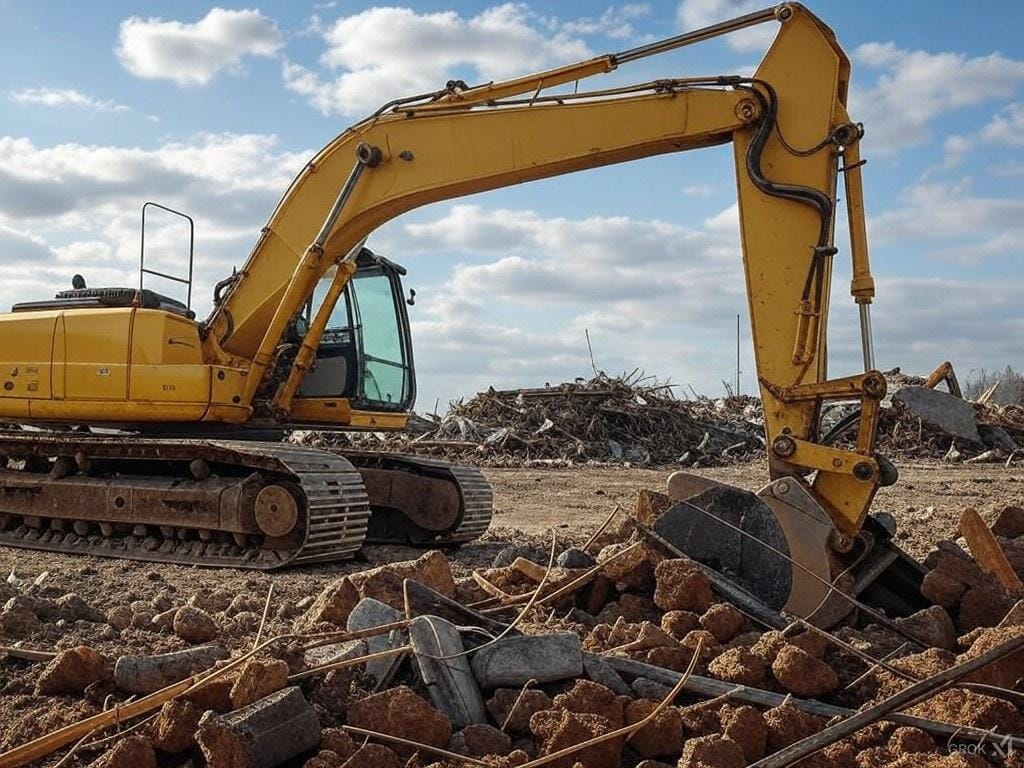
Demolition Methods Comparison
Mechanical Demolition
- Speed: 1-3 days typically
- Cost: Lower labour costs
- Equipment: Excavators, bulldozers
- Best for: Standard residential structures
Deconstruction
- Speed: 1-3 weeks
- Cost: Higher labour, potential material value
- Method: Hand tools, careful dismantling
- Best for: Historic or high-value materials
Site Preparation for New Construction
Post-Demolition Site Work
- Debris Removal: Complete clearing of all demolition materials
- Soil Testing: Assess soil conditions for new foundation requirements
- Grading & Levelling: Prepare site to proper elevations
- Utility Planning: Mark locations for new service connections
Foundation Considerations: If keeping the existing foundation, have it inspected for damage from demolition vibrations. Foundation repairs can add $3,000-15,000 to your project.
Environmental Impact & Best Practices
Sustainable Demolition Practices
- Material Diversion: Aim for 70%+ waste diversion from landfills
- Dust Control: Use water suppression and barriers to minimise airborne particles
- Noise Management: Follow municipal bylaws (typically 7 AM - 6 PM weekdays)
- Soil Protection: Prevent contamination during hazardous material removal
Environmental Benefits
A new energy-efficient home can reduce heating costs by 40-60% compared to homes built before 1980. Modern building techniques and materials significantly improve insulation and air sealing.
Transitioning to Your New Custom Home Build
Once demolition is complete and your site is prepared, you’re ready to begin construction of your new custom home. The foundation phase typically begins 2-4 weeks after final site clearance, depending on weather conditions and permit processing.
Critical Next Steps:
- Finalise architectural plans and engineering specifications
- Secure building permits for new construction
- Coordinate utility service installations
- Schedule foundation contractors and concrete pours
Ready to Start Your Tear Down & Rebuild Project?
At Mighton Construction Limited, we specialise in complete tear down and custom home construction in Wasaga Beach and throughout Simcoe County.
What We Offer:
- Complete project management from demolition to completion
- Licensed and insured contractors
- Energy-efficient ICF construction specialists
- Transparent pricing with no hidden costs
Frequently Asked Questions
What permits are required for residential demolition in Ontario?
You’ll need a demolition permit from your local municipality, and potentially an environmental clearance if hazardous materials are present. Building permits for reconstruction are separate and required before starting new construction.
How long does a typical residential tear down take?
Most residential demolitions take 1-2 weeks, including site preparation. However, hazardous material removal can extend this timeline by several days to weeks depending on the scope of contamination.
Can I salvage materials from my old home for reuse?
Yes! Common salvageable items include hardwood flooring, fixtures, doors, windows, and brick. Salvaging can reduce disposal costs and provide materials for your new build or generate income through resale.
What does it cost to demolish a house in Ontario?
Total demolition costs typically range from $10,000 to $30,000, including contractor fees, permits, hazardous material removal, and debris disposal. Costs vary based on home size, complexity, and location.
Do I need a professional contractor for demolition?
Yes, hiring a licensed and insured contractor is essential for safety, legal compliance, and proper hazardous material handling. Always verify insurance coverage and request a certificate of insurance before work begins.