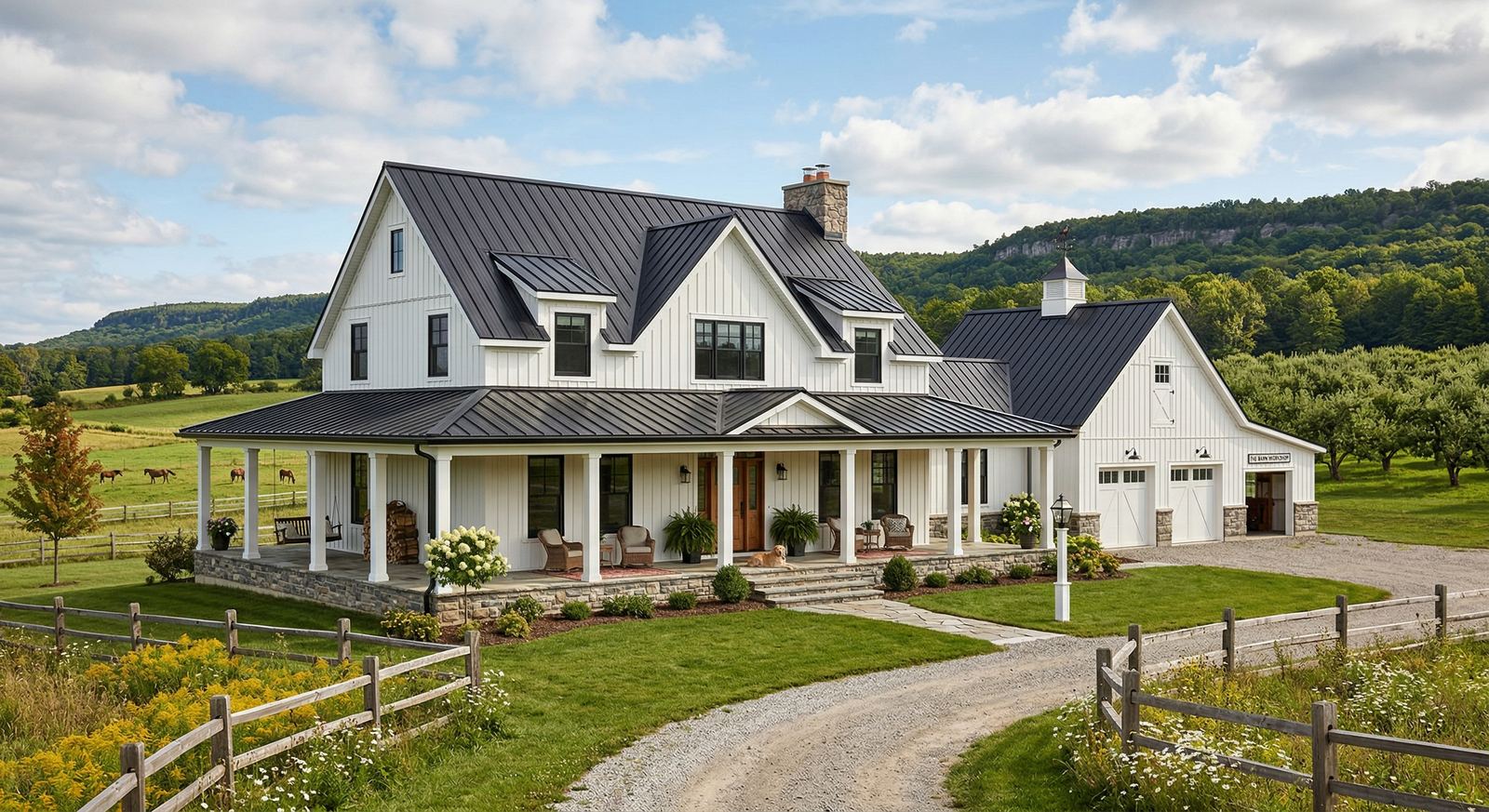
What is site analysis? Key insights for custom home projects

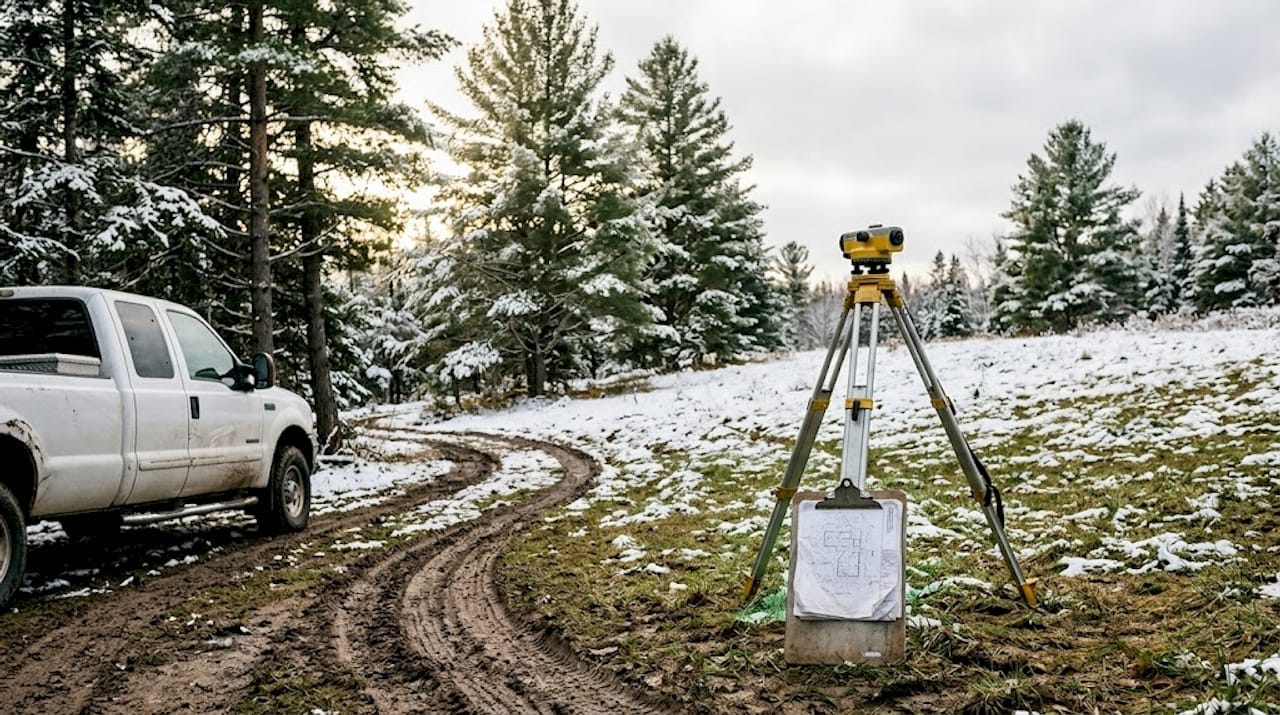
TL;DR:
- Proper site analysis reveals site constraints and opportunities to prevent costly design issues.
- In South Georgian Bay, factors like soil, wind, zoning, and natural features are critical to assess upfront.
- Combining advanced digital tools with on-site expertise ensures accurate, cost-effective insights for luxury homes.
A stunning lot on the shores of Georgian Bay or a hillside perch above Collingwood feels like the dream. But a beautiful location and a solid budget are not enough to guarantee a successful custom home. Without proper site analysis, even the most promising properties can deliver costly surprises, design regrets, or regulatory headaches that derail a project before the first nail is driven. Site analysis is the structured, research-based process that reveals what a property can truly support, and what it cannot. In this guide, you will learn exactly what site analysis involves, which elements matter most in South Georgian Bay, and how to apply these insights to your own project.
Table of Contents
- Defining site analysis: Foundation of smart building
- Key elements assessed during site analysis
- Site analysis methods: From desktop tools to boots on the ground
- Turning analysis into action: Insights that influence design
- What most people miss about effective site analysis
- Start your project with expert site analysis
- Frequently asked questions
Key Takeaways
| Point | Details |
|---|---|
| Essential first step | Site analysis is the foundation for smart design and successful custom homes. |
| Local factors matter | Regional soil, wind, and zoning in South Georgian Bay are critical for luxury builds. |
| Modern and traditional tools | Combining site visits with digital tools yields the most accurate results. |
| Expert involvement | Early input from architects and engineers prevents expensive mistakes. |
| Design driven by analysis | Translating findings into design responses maximizes property potential and value. |
Defining site analysis: Foundation of smart building
Site analysis is far more than a quick walk around the property. It is an in-depth, research-based examination of every factor that could influence how a home is designed and built. Site analysis studies the climatic, geographical, historical, legal, and infrastructural context of a site, giving designers and builders the information they need to make confident decisions.
For luxury custom home projects in South Georgian Bay, this matters enormously. The region’s mix of waterfront terrain, rocky Canadian Shield geology, seasonal wind patterns, and strict municipal zoning creates a layered set of conditions that simply cannot be guessed at. Skipping this step is one of the most expensive mistakes a homeowner or developer can make. Industry experience consistently shows that projects without proper upfront analysis face redesigns costing 10 to 15% above the original budget, sometimes more.
Here is what a thorough site analysis covers:
- Location and neighbourhood context: Proximity to services, traffic patterns, and community character
- Zoning and legal constraints: Setbacks, permitted uses, heritage overlays, and shoreline regulations
- Climate factors: Sun path, prevailing wind direction, frost depth, and seasonal temperature swings
- Soil and topography: Bearing capacity, drainage, slope stability, and rock depth
- Vegetation and natural features: Mature trees, wetlands, and protected natural areas
- Infrastructure and utilities: Water, sewer, hydro access, and road conditions
- Cultural and historical context: Archaeological sensitivity and heritage designations
“A site analysis done properly is not a formality. It is the document that tells you whether your dream design is possible, or whether it needs to change before you spend a dollar on drawings.”
Think of site preparation for custom homes as the physical counterpart to site analysis. Analysis tells you what you are working with; preparation is what you do with that knowledge. Following a thorough site analysis process from the very start sets every subsequent decision on solid ground.
Key elements assessed during site analysis
Knowing what to assess is not enough. The process of how analysis is done matters just as much as the checklist itself. Professional site analysis in South Georgian Bay requires attention to conditions that are specific to this region.
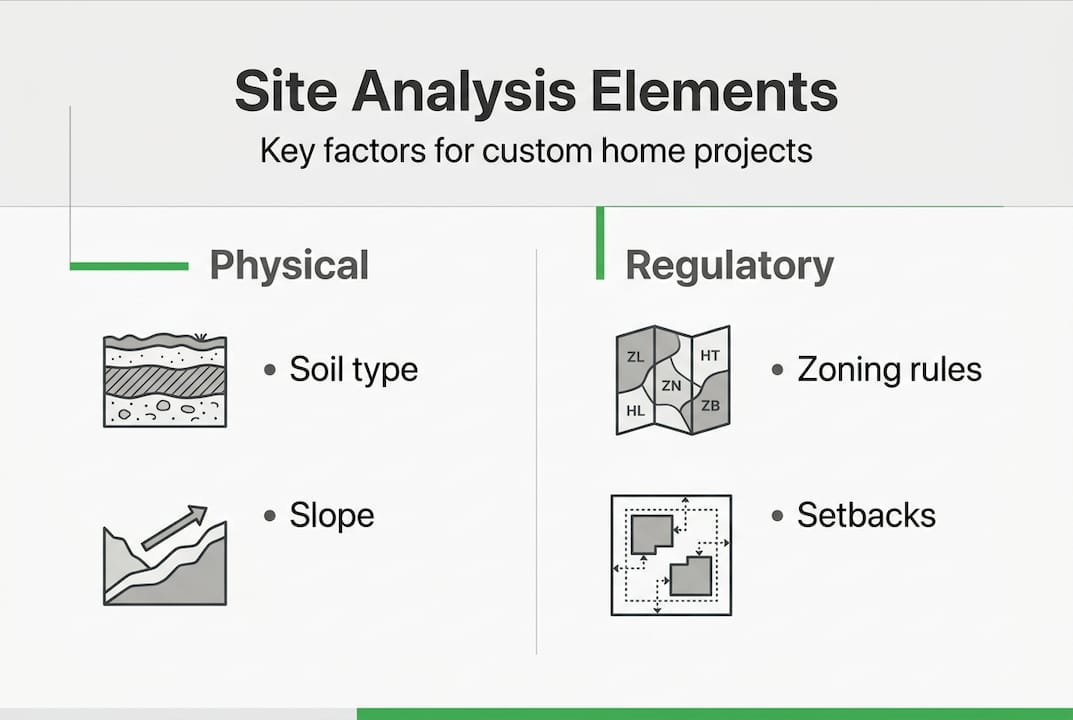
The table below summarises the main analysis factors and the critical questions each one raises:
| Analysis factor | Key question for your project |
|---|---|
| Soil and geology | Is the ground rocky, soft, or prone to frost heave? |
| Wind exposure | Which direction does prevailing wind come from near the bay? |
| Sun path | Where does winter sun fall on the lot? |
| Zoning and setbacks | Are waterfront or shoreline restrictions in effect? |
| Heritage and archaeology | Is the site within a designated heritage or archaeological zone? |
| Vegetation | Are there protected trees or wetlands on or near the property? |
| Utilities | How far is the nearest hydro, water, or sewer connection? |
Key elements analysed include location, neighbourhood context, zoning, topography, soil, vegetation, man-made features, circulation, utilities, sensory and cultural factors, and climate. For South Georgian Bay specifically, these must-assess items rise to the top of every professional’s list:
- Rocky or variable soil requiring engineered foundations
- Wind loading from Georgian Bay affecting window specification and insulation choices
- Waterfront zoning rules governing setbacks and dock permits
- Archaeological sensitivity checks, particularly near First Nations territories
- Seasonal access limitations on rural or lakefront roads
Pro Tip: Order soil and wind analysis before finalising your floor plan. Discovering a rock shelf two metres below grade after design is complete can add tens of thousands of dollars to foundation costs. Understanding climate factors in construction early allows designers to use passive heating and cooling strategies that reduce long-term operating costs.
Consider a real-world scenario: a developer in Tiny Township skipped a formal zoning review, assuming a rural lot was straightforward. Months into design, they discovered the property fell within a regulated shoreline area, requiring a full redesign of the home’s footprint. Understanding the architect’s role in site analysis from day one would have caught this immediately.
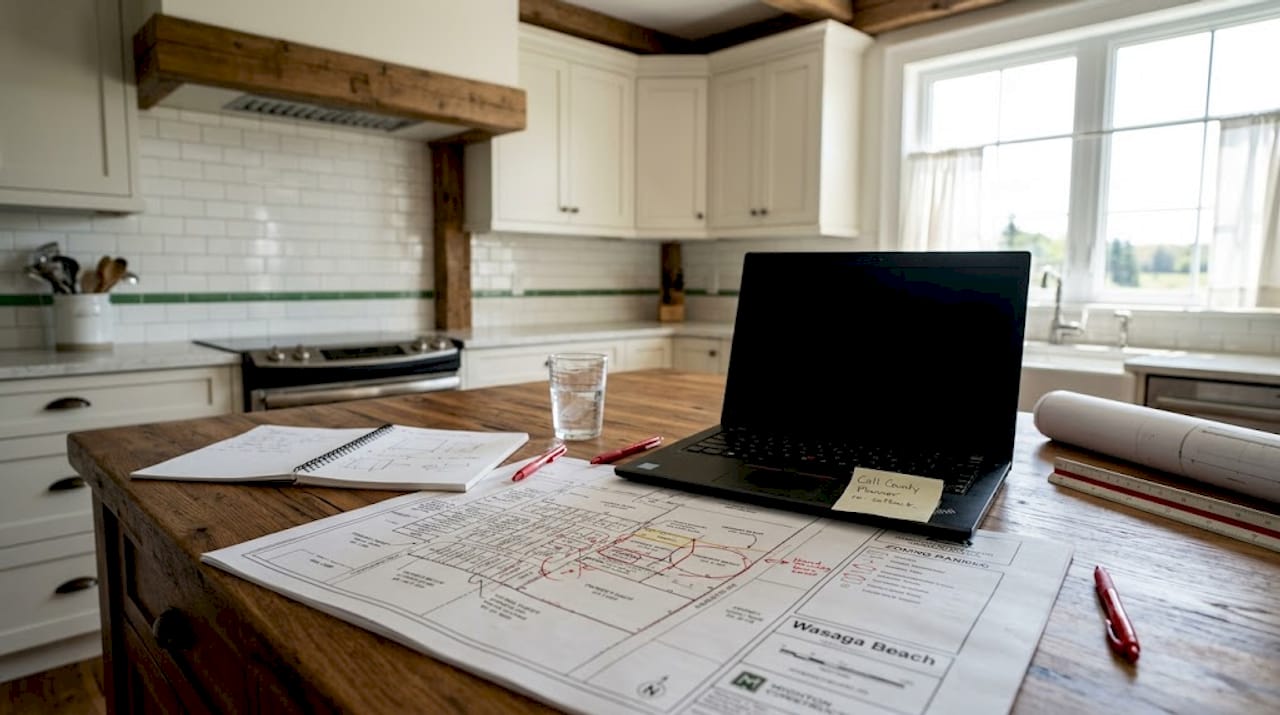
Site analysis methods: From desktop tools to boots on the ground
The value of site analysis often depends less on which tools you use than on how findings are translated into design decisions. That said, the method you choose directly affects accuracy, cost, and the depth of insight you receive.
Here is a comparison of traditional versus modern approaches:
| Method | Accuracy | Cost | Best application |
|---|---|---|---|
| Site visits and sketches | Moderate | Low | Initial assessment, small lots |
| Physical surveys and measurements | High | Moderate | Boundary, topography, drainage |
| Drone aerial photography | High | Moderate | Large or complex sites, terrain mapping |
| LiDAR scanning | Very high | Higher | Detailed elevation, vegetation analysis |
| GIS and AI data overlays | High | Variable | Regional zoning, climate, flood mapping |
Methodologies involve desktop research, site visits, physical surveys, and advanced tools like drones, LiDAR, GIS, and AI. A layered approach works best for luxury or complex properties. Here is the typical sequence:
- Desktop research: Review satellite imagery, zoning maps, municipal records, and heritage databases before visiting the site
- On-site surveys: Walk the property in different seasons if possible, noting drainage patterns, sun angles, wind exposure, and access conditions
- Advanced digital analysis: Commission drone surveys, LiDAR scans, or GIS overlays for precise data on elevation, vegetation, and regional constraints
Pro Tip: In environmentally sensitive areas near Georgian Bay’s shoreline, start with low-impact desktop and drone methods before deploying ground-disturbing survey equipment. This protects the site and keeps you onside with conservation authorities.
As a homeowner or developer, ask your consultant directly: what analysis methods will be used, and why are those methods appropriate for this specific property? Good project management’s influence on a build begins with choosing the right analytical approach before design ever starts.
Turning analysis into action: Insights that influence design
You have seen how vital a thorough site analysis is, but not all professionals approach it the same way. The real skill lies in translating raw findings into design decisions that improve your home’s performance, value, and livability.
Here is how common site findings shape design choices on luxury South Georgian Bay projects:
- Wind exposure from the bay informs window glazing specifications, exterior cladding selection, and the placement of covered outdoor living areas
- Rocky ground or shallow bedrock drives foundation method choices, often favouring ICF construction for site-specific design or engineered pier systems
- Sun path analysis determines which rooms face south for passive solar gain in winter, reducing heating costs significantly
- Slope and drainage patterns influence driveway placement, basement waterproofing strategy, and landscaping design
- Vegetation and tree canopy shapes the home’s orientation, privacy screening, and natural cooling potential in summer
The professional workflow follows a clear sequence: Observation → Implication → Design Response. A practical example: you observe that the prevailing winter wind hits the north and west faces of the lot hard. The implication is that those elevations need higher insulation values and minimal glazing. The design response is a more solid north wall with triple-glazed windows and a sheltered entry on the south side.
Early analysis prevents expensive redesigns; using 3D and BIM modelling in conjunction with site data can reduce design errors by up to 30%.
In South Georgian Bay, even minor terrain shifts matter. A property that drops two metres from front to back can mean the difference between a walkout basement with stunning views and a buried lower level with no natural light. Catching this in analysis, not mid-construction, is what separates a well-executed luxury build from a frustrating one.
What most people miss about effective site analysis
After working on custom homes and renovations across South Georgian Bay for over 30 years, we have noticed one persistent misunderstanding: most people treat site analysis as box-checking for permits. It is not. It is the single most powerful design tool available before construction begins.
Developers often see site analysis as risk mitigation, while architects seek unique design opportunities. Both perspectives are valid, but the most successful projects happen when those two lenses work together. Risk avoidance and creative opportunity are not opposites. They are complementary.
The nuances that get missed most often are the layered ones: combining historical land use data, environmental sensitivity, and the actual lifestyle needs of the future occupants. A site that looks limiting on paper can become extraordinary when all three layers are read together. Involving an architect early in the process is essential, but so is bringing in engineers, surveyors, and even landscape specialists for complex properties.
Pro Tip: Do not leave site analysis solely to one professional. Multidisciplinary input consistently produces better outcomes on high-value or technically complex sites.
Start your project with expert site analysis
Proper site analysis is not an optional first step. It is what separates a luxury custom home that performs beautifully for decades from one that fights its site at every turn. When your property is understood deeply before design begins, every decision that follows is smarter, faster, and more cost-effective.
At Mighton Construction, our custom home builder services are built on exactly this foundation. With over 30 years of experience across South Georgian Bay, we understand the region’s soil, climate, zoning, and terrain at a level that only comes from building here consistently. Whether you are planning a luxury waterfront retreat or working with a Wasaga Beach cottage builder for a seasonal property, our team is ready to guide your project from site analysis through to completion. Reach out to start the conversation.
Frequently asked questions
What is the main goal of site analysis?
The main goal of site analysis is to identify all opportunities and constraints of a property so that design decisions are informed, cost-effective, and avoid expensive surprises. It provides the foundational information needed for every environment-related design strategy.
Which site conditions most impact luxury builds in South Georgian Bay?
Rocky terrain, wind patterns near the lake, regional zoning rules, and local heritage considerations are especially critical. Soil tests, wind exposure, and archaeological checks are priorities that experienced local builders address from the outset.
Who should perform a site analysis for a custom home project?
Site analysis should be led by an experienced architect and supported by engineers and surveyors. Early professional involvement consistently prevents costly surprises and gives homeowners the highest confidence in their design.
Can digital tools replace on-site surveys?
Digital tools add valuable data and efficiency, but they do not replace site visits for complex or sensitive properties. Modern techniques like drones and LiDAR complement traditional surveys rather than substitute for them.
How does good site analysis save money?
Thorough analysis at the project’s start helps avoid redesigns and unforeseen construction challenges, potentially saving 10 to 15% of the total project budget before a single shovel hits the ground.