
Role of Interior Designer – Enhancing Custom Homes
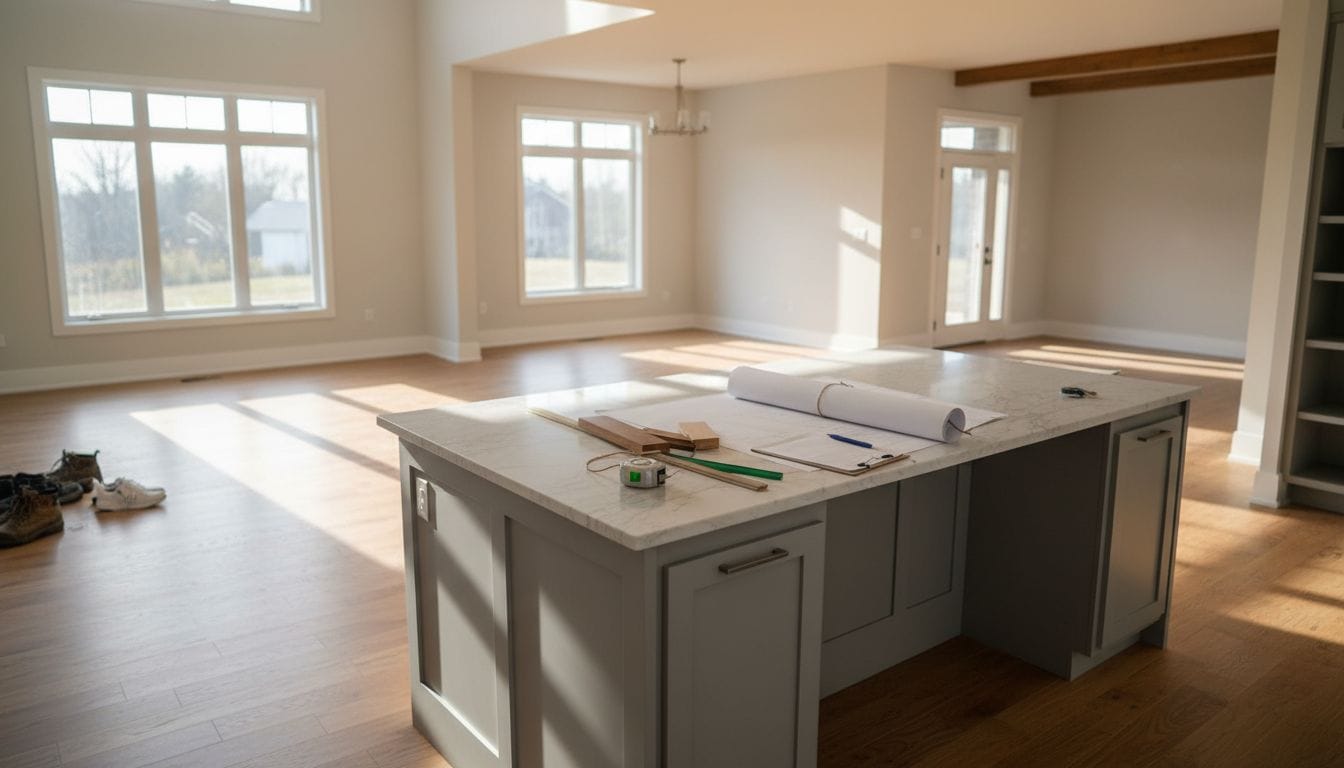
Building a luxury custom home along the shores of South Georgian Bay brings a unique set of expectations and opportunities. When every detail must reflect both your personal style and practical needs, understanding the true scope of an interior designer’s role is essential. These professionals in Canada combine advanced training in public health, safety, and compliance to craft spaces that are not only beautiful but truly functional. Discover how their expertise in integrating aesthetics with optimal livability can transform your vision into a standout investment.
Table of Contents
- Defining The Interior Designer’s Role In Canada
- Types Of Interior Designers And Their Focus
- Key Responsibilities In Custom Home Projects
- Qualifications, Licensing, And Professional Standards
- How Designers Collaborate With Home Builders
- Risks, Costs, And Common Missteps To Avoid
Key Takeaways
Point
Details
Understanding Designer Qualifications
Hire certified interior designers with formal education to ensure expertise in functionality, safety, and compliance.
Specialisation Matters
Choose a designer who specializes in residential and luxury custom homes to align with your specific project needs.
Collaborative Approach
Engage your designer early in the building process to facilitate effective communication and prevent costly mistakes.
Planning is Key
Establish a comprehensive design brief that outlines your budget, timeline, and aesthetic preferences to avoid misunderstandings and ensure clarity.
Defining the Interior Designer’s Role in Canada
When you’re building a custom home in South Georgian Bay, you need to understand exactly what an interior designer brings to the table. In Canada, interior designers and decorators conceptualize and produce aesthetic, functional, and safe interior spaces that go far beyond just picking paint colours and furniture. Their role is multifaceted and regulated, touching everything from the layout of your kitchen to the lighting that makes your bedroom feel like a retreat. Think of them as the professionals who translate your vision into a livable, beautiful space that actually works for how you live.
What separates a qualified interior designer from someone with good taste is their training in public health, safety, and compliance. Interior designers in Canada develop detailed layouts, material selections, lighting solutions, and finishes that align with your needs and building codes. They work alongside architects, engineers, and contractors—like the teams at Mighton Construction—to ensure your custom home meets all safety standards while delivering the aesthetic you want. They use CAD software to create 3-D models so you can visualize the space before construction begins. When they estimate costs and select materials, they’re not just thinking about today. They’re thinking about durability, maintenance, and how your space will feel and function for years to come.
What many homeowners don’t realize is that professional interior designers hold specialized certifications and follow ethical codes to protect occupants and ensure functionality. They consult with you to determine your true needs, advise on everything from colour psychology to furniture layout that maximizes flow, and often oversee site work to ensure their vision is executed properly. In a place like Collingwood or Wasaga Beach, where custom homes are investments in lifestyle, a designer who understands local climate, seasonal living patterns, and the interplay between indoor and outdoor spaces is invaluable. When you choose a designer who understands what makes a home high-end, you’re choosing someone who will elevate every detail of your custom home.
Pro tip: When interviewing interior designers for your custom home project, ask to see their portfolio of homes in your climate zone and request references from clients who completed similar projects in the South Georgian Bay region—this ensures they understand local building conditions and lifestyle requirements.
Types of Interior Designers and Their Focus
Not all interior designers work the same way or focus on the same goals. Interior designers in Canada may specialize in residential, commercial, institutional, cultural, and industrial buildings, with some focusing on niche sectors like aircraft or trade show designs. For your custom home project in South Georgian Bay, you’ll want to work with someone who specializes in residential design and understands luxury custom homes. The distinction matters because a designer who excels at creating office spaces operates from a completely different skill set than one who designs waterfront cottages or vacation properties. A residential specialist knows how to balance aesthetics with the everyday realities of family living, entertaining, and the seasonal rhythms of life along the Georgian Bay shoreline.
It’s also important to understand the difference between interior designers and interior decorators, even though the terms are sometimes used interchangeably. Interior decorators concentrate more on the aesthetic elements like colour schemes, furnishings, and décor, whereas interior designers focus on functionality, health, safety, and integration with architectural systems. This means a designer working on your custom home will be thinking about building code compliance, structural considerations, ventilation, accessibility, and how your interior spaces work with the home’s overall architectural design. They’re making decisions that affect safety and livability, not just visual appeal. When you’re investing in a high-end custom home, this deeper expertise becomes invaluable.
Here’s a comparison of interior designers and interior decorators in terms of impact on your custom home project:
Aspect
Interior Designer
Interior Decorator
Education
University or college degree
Short courses or self-taught
Focus
Function, safety, compliance
Aesthetics, décor, style
Involvement
Early planning to site oversight
End-phase furnishing
Regulatory Oversight
Certified, sometimes licensed
No formal regulation
Impact on Home Value
Increases function and resale
Enhances visual appeal only
Beyond specialization by building type, designers also work within various aesthetic philosophies and design approaches. Contemporary, minimalist, industrial, Scandinavian, luxury, transitional, and Japandi designs each emphasise different design philosophies, materials, colour palettes, and spatial organisation. A designer experienced in luxury residential design will understand how to create spaces that feel both sophisticated and livable, balancing high-end finishes with functional layouts. In Wasaga Beach or Collingwood, where waterfront homes command premium prices, a designer familiar with contemporary and transitional styles can create spaces that respect the natural beauty of the landscape while delivering the comfort and elegance you expect. The best designer for your project is one whose aesthetic sensibility aligns with your vision and whose residential expertise ensures your custom home functions beautifully for decades to come.
Pro tip: When selecting an interior designer, ask about their specific experience with residential custom homes in your area and request examples of projects that match your desired design style—this ensures their expertise and aesthetic approach align with your vision for the space.
Key Responsibilities in Custom Home Projects
An interior designer’s responsibilities in your custom home project extend far beyond selecting paint and furniture. Key activities for interior designers include consulting with clients on needs and preferences, developing detailed plans and 3-D models, advising on selection of finishes, lighting, furniture, and materials, and preparing specifications that comply with building codes. This is hands-on work that shapes every decision affecting how your home will function. When you’re building a custom home in Collingwood or Wasaga Beach, your designer becomes a critical partner who translates your lifestyle aspirations into spatial reality. They listen to how you entertain, how your family moves through spaces, what natural light matters to you, and then they build those requirements into a comprehensive design strategy.
One of the most underestimated responsibilities is cost estimation and budget management. Your designer creates detailed cost estimates for finishes, materials, and furnishings, helping you understand the financial implications of your choices before construction begins. They also coordinate with contractors and subcontractors, which means they’re ensuring that what they’ve designed can actually be built to specification. This coordination prevents costly surprises during construction and keeps your project on timeline. In custom home projects, designers often direct site work crews to ensure their vision is executed properly. They review installations, check that materials match samples approved, and catch issues before they become expensive problems. When you’re working with Mighton Construction on your luxury custom home, having a designer who communicates effectively with the general contractor creates a seamless process where everyone understands the vision and works toward the same quality standards.
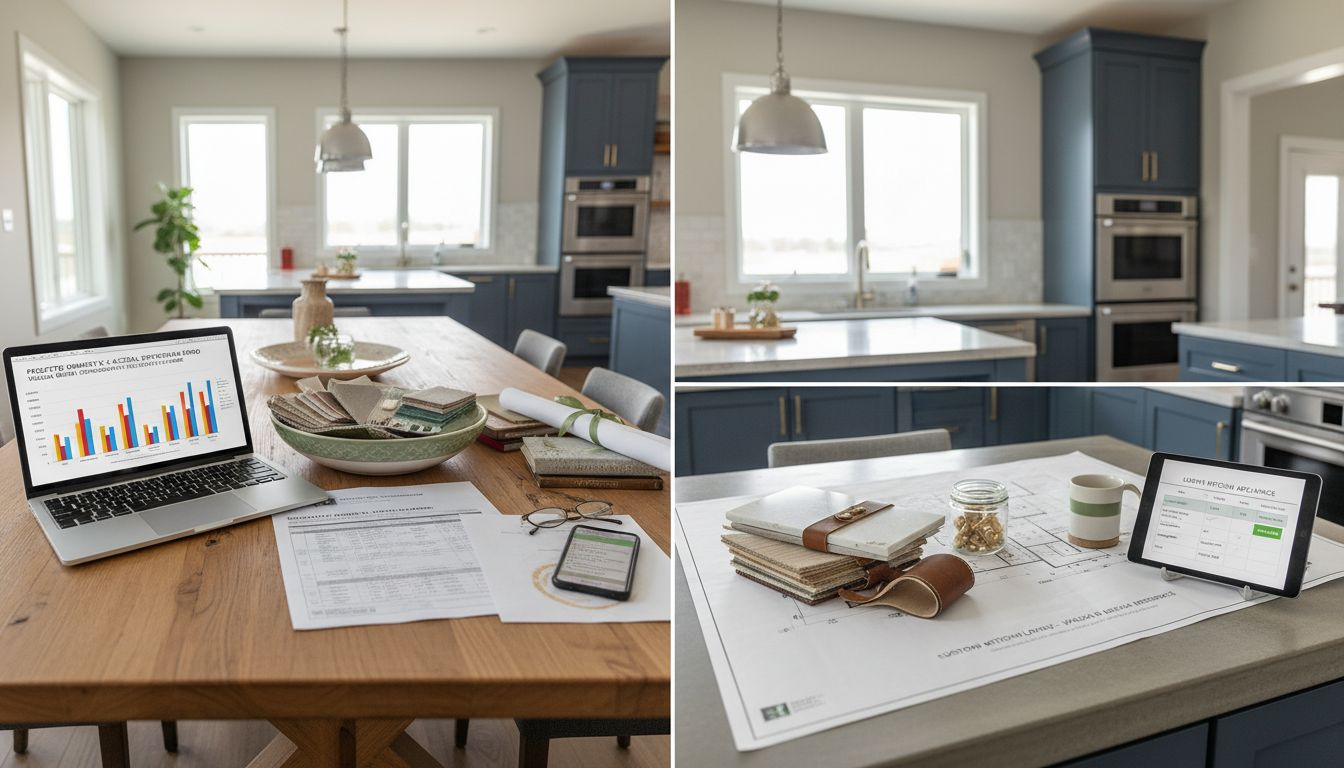
Ergonomic standards and safety compliance are woven throughout every responsibility. Your designer ensures that kitchen layouts follow ergonomic principles so cooking is comfortable and efficient. They ensure lighting levels meet safety standards and won’t cause eye strain or create hazardous dark spots. They verify that traffic flows logically through spaces, that door swings don’t create collision points, and that material selections meet fire codes and durability standards. Understanding how custom home projects unfold helps you appreciate why your designer’s attention to these details matters. In South Georgian Bay’s climate, where seasonal changes and weather patterns affect how homes perform, a designer thinking about safety and ergonomics from the start prevents problems that would otherwise surface after you’ve moved in. The goal is a home that’s not just beautiful, but genuinely safe and livable for decades.
Pro tip: Schedule regular design review meetings with your interior designer and general contractor together—this ensures alignment on specifications, prevents costly misunderstandings, and allows you to address any design adjustments while construction is still in early phases.
Qualifications, Licensing, and Professional Standards
When you’re hiring an interior designer for your custom home in South Georgian Bay, you want to know they’ve earned their credentials through rigorous training and professional standards. In Canada, working as an interior designer typically requires a university degree or college diploma in interior design. This education goes far beyond aesthetics. Students study building codes, ergonomics, materials science, colour theory, spatial planning, and the technical skills needed to create detailed construction documents. They learn how to work with architects and contractors, how to read and interpret building regulations, and how to think critically about safety and accessibility. When you hire someone with formal education in interior design, you’re hiring someone who has spent years learning the discipline behind the art.
Certification and professional licensure add another important layer of consumer protection. Professional interior designers in Canada are qualified through education, work experience, and passing examinations like NCIDQ, the National Council for Interior Design Qualification exam. Many provinces also require registration with provincial regulatory bodies that govern licensure and the use of protected titles. This means that when someone calls themselves a certified interior designer in Ontario or elsewhere in Canada, they’ve met standardised requirements and can be held accountable to professional standards. These regulations exist specifically to protect homeowners like you. A designer who is NCIDQ certified has demonstrated competency in design knowledge, practicum experience, and professional practice standards. They’ve proven they understand health, safety, and welfare requirements that affect the people living in the spaces they design.
Ongoing professional development and codes of ethics set certified designers apart from well-meaning decorators. Professional organisations such as Interior Designers of Canada establish and enforce codes of ethics, standards of practice, and continuing education requirements. This means certified designers stay current with building code changes, new materials, sustainable design practices, and emerging technologies. They attend seminars, maintain professional liability insurance, and commit to upholding standards that protect both clients and the public. When you work with a designer who maintains these professional credentials, you’re working with someone who takes their responsibility seriously. In Wasaga Beach, Collingwood, or anywhere in South Georgian Bay, hiring a certified interior designer means hiring someone whose education, experience, and ongoing commitment to professional standards will elevate your custom home project and protect your investment.
Pro tip: Before hiring an interior designer, verify their NCIDQ certification and provincial registration, ask for references from similar luxury custom home projects, and confirm they carry professional liability insurance to protect you throughout the design and construction process.
How Designers Collaborate with Home Builders
The relationship between interior designers and home builders is not transactional. It is a genuine partnership where two professionals with different expertise come together to serve your vision. Interior designers work alongside custom builders to ensure design intent is communicated clearly and executed accurately. This collaboration starts early, ideally during the planning phase before construction begins. The designer and builder align on aesthetic and functional goals, understand the construction timeline, and identify potential challenges before they become costly problems. At Mighton Construction, we’ve learned that the best custom homes happen when the designer and builder communicate openly from day one, sharing ideas about materials, sequencing, and how design decisions affect construction feasibility.
Regular site visits and material selection happen together. Your interior designer doesn’t work in isolation, sketching plans in an office and hoping the builder can execute them. Instead, they visit the job site regularly, walk through the spaces as they’re being framed, and make decisions about finishes while understanding exactly how the home is coming together. They select materials that are durable, cohesive, and appropriate for your climate zone in South Georgian Bay. They work with the builder to coordinate the timing of various trades. Plumbing rough-ins need to happen before walls are closed, electrical outlets need placement before drywall, and finish selections need to be locked in before those trades arrive. Effective communication with contractors ensures that finish schedules align with construction sequences, preventing delays and reducing expensive change orders.
The partnership between builder and designer prevents costly mistakes and streamlines workflows. When a designer specifies a particular tile for your kitchen and the builder understands why that specific tile matters aesthetically and functionally, they become advocates for quality execution. The builder focuses on constructing with precision and craftsmanship while the designer enhances functionality and style through finish selection, space planning, and coordination of trades. Their combined expertise ensures that design details integrate seamlessly into the build. In Collingwood and Wasaga Beach, where custom homes represent significant personal and financial investment, this partnership creates homes that are not just beautiful on paper but genuinely livable and built to last. When structural elements and aesthetic vision align perfectly, you get a cohesive final product that fulfils client expectations while maintaining construction timelines and budgets.
Pro tip: Engage your interior designer early in the building process, ideally during the design phase, and establish monthly coordination meetings with both the designer and builder to review progress, address material selections, and resolve any conflicts between design intent and construction feasibility.
Risks, Costs, and Common Missteps to Avoid
One of the most expensive mistakes homeowners make with interior designers is underestimating the actual cost of the project. Common mistakes in custom home builds include setting unrealistic budgets that overlook site prep, permits, landscaping, and contingency costs. Many homeowners focus on the structure and forget that interior finishes, lighting, cabinetry, and furnishings can easily consume 30 to 50 percent of the total project budget. A well-designed home in Collingwood or Wasaga Beach requires quality materials that perform well in the climate, professional installation, and attention to detail that costs money. When you work with an interior designer, budget generously and plan comprehensively. Set aside a contingency reserve of at least 10 to 15 percent for unexpected changes or upgrades that inevitably surface once construction begins. A designer working with realistic budgets will guide you toward choices that deliver value and longevity rather than pushing you toward costly mistakes you’ll regret later.
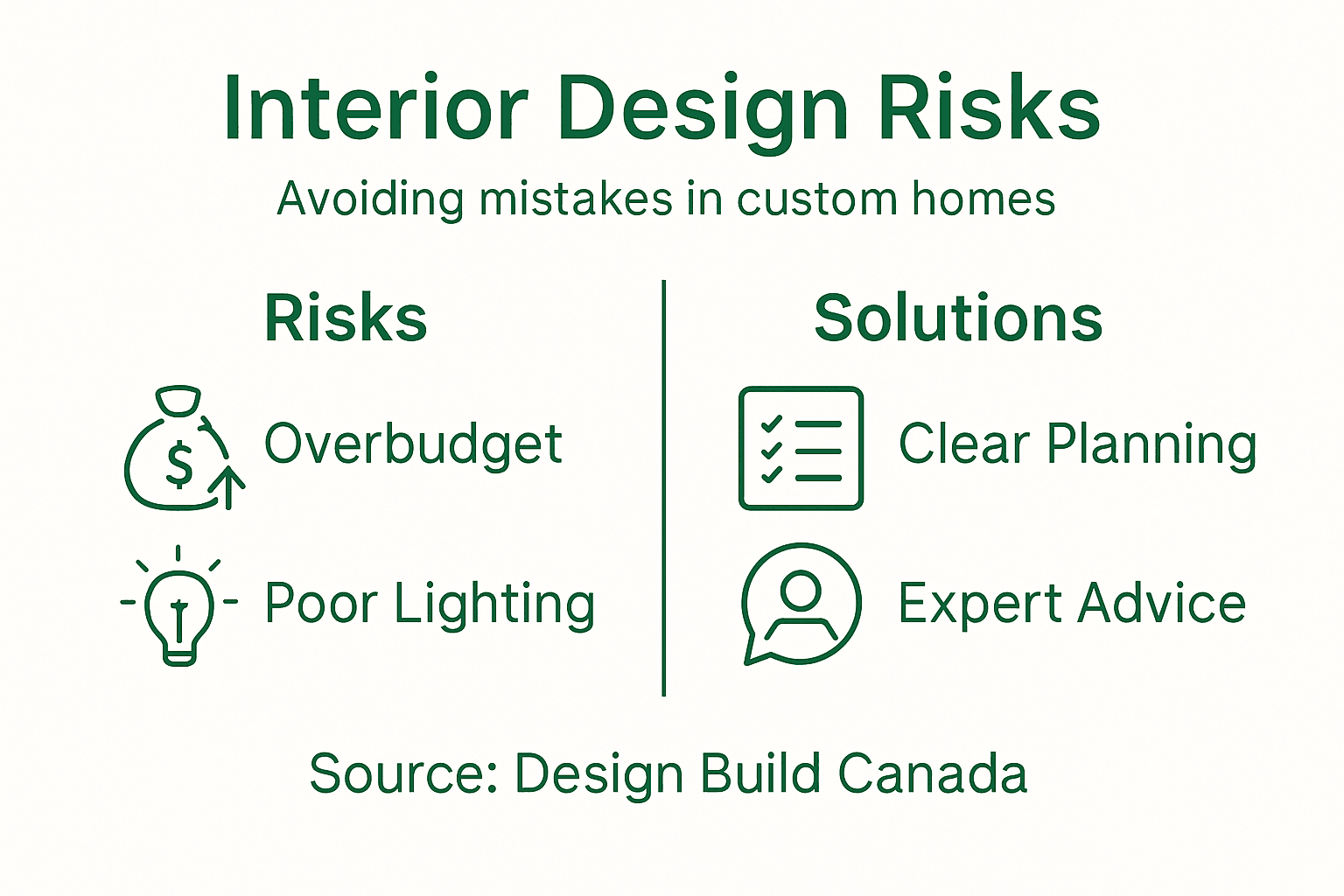
Another critical misstep is skipping thorough project planning or failing to establish a cohesive design vision from the start. Interior design mistakes to avoid include lack of cohesive vision, poor lighting design, and ignoring traffic flow, all of which can lead to dissatisfaction and higher costs for corrections. Homeowners sometimes make impulsive decisions about finishes without understanding how they’ll work together or function in their lifestyle. A room that looks stunning in a magazine might feel cold and impractical in your actual home. Poor lighting design turns a beautiful space into one that feels uncomfortable to live in. Ineffective colour and texture coordination creates visual discord. Ignoring how people actually move through spaces results in layouts that don’t work for entertaining or daily living. These mistakes often require expensive redesigns midway through construction. The solution is spending time with your designer during the planning phase, articulating your lifestyle priorities, and trusting their expertise when they guide you toward choices that work functionally even if they differ from your initial Pinterest board.
Choosing the wrong professionals compounds all these risks. Working with a builder or designer who doesn’t understand local codes, permits, and building regulations in Ontario can result in noncompliant construction that requires costly corrections or delays. An inexperienced designer might specify materials inappropriate for South Georgian Bay’s climate, leading to durability problems and premature replacement. A builder unfamiliar with luxury custom homes might not understand the quality standards your investment deserves. Take time to interview multiple professionals, ask about their experience with custom homes similar to yours, and verify their track record with references. The cost of hiring experienced professionals is far less than the expense of fixing problems created by poor choices made at the beginning.
This table summarizes common risks for custom home projects and how an interior designer helps mitigate them:
Potential Risk
Common Cause
Designer’s Preventive Action
Budget overruns
Incomplete cost planning
Provides detailed estimates
Poor space functionality
Inadequate layout consideration
Applies ergonomic and code standards
Delayed construction
Late design changes
Coordinates with builder early
Non-compliant finishes
Lack of code awareness
Selects code-compliant materials
Pro tip: Create a detailed written design brief with your interior designer that documents your budget, timeline, aesthetic preferences, and functional requirements before construction begins—this shared document prevents costly misunderstandings and provides clarity when unexpected decisions arise during the build.
Elevate Your Custom Home with Expert Interior Design and Craftsmanship
Building a luxury custom home in South Georgian Bay requires more than just beautiful finishes and furniture choices. The critical challenge is integrating expert interior design that enhances functionality, safety, and longevity while reflecting your lifestyle and aesthetic vision. Many homeowners struggle with cost overruns, mismatched design intentions, and poor coordination between designers and builders. At Mighton Construction Limited, we specialize in delivering seamless collaboration between certified interior designers and our skilled building teams to transform your ideas into a high-end, livable masterpiece.
Experience the difference when your interior design vision is supported by over 30 years of local expertise in luxury custom homes, waterfront cottages, and renovations. Visit our custom homes page to discover how we manage every detail from initial concepts to final finishes with transparency, craftsmanship, and respect for Ontario building codes. Ready to avoid common missteps and ensure a beautiful, functional home tailored uniquely to you? Start your journey today at Mighton Construction or explore what we offer in Wasaga Beach to see how local knowledge makes all the difference.
Frequently Asked Questions
What is the primary role of an interior designer in custom home projects?
The primary role of an interior designer in custom home projects is to create functional, aesthetic, and safe interior spaces. They translate the homeowner’s vision into a practical design, ensuring compliance with building codes and safety standards while enhancing the overall livability and beauty of the home.
How do interior designers differ from interior decorators?
Interior designers focus on functionality, health, safety, and integrating architectural systems, while interior decorators concentrate on aesthetic elements like furnishings and décor. Designers are involved from the early planning stages and ensure compliance with building regulations, whereas decorators typically work at the end of the project.
What qualifications should I look for when hiring an interior designer?
When hiring an interior designer, look for a professional with a university degree or college diploma in interior design, certification such as NCIDQ, and registration with provincial regulatory bodies. These credentials ensure expertise in building codes, safety standards, and design principles.
How can an interior designer help prevent costly mistakes during the construction of a custom home?
An interior designer helps prevent costly mistakes by providing detailed plans, estimating costs, ensuring code compliance, and coordinating with contractors. Their early involvement in the project ensures that design intentions are clearly communicated and executed, reducing risks of delays and budget overruns.