
Role of General Contractor – Impact on Custom Homes
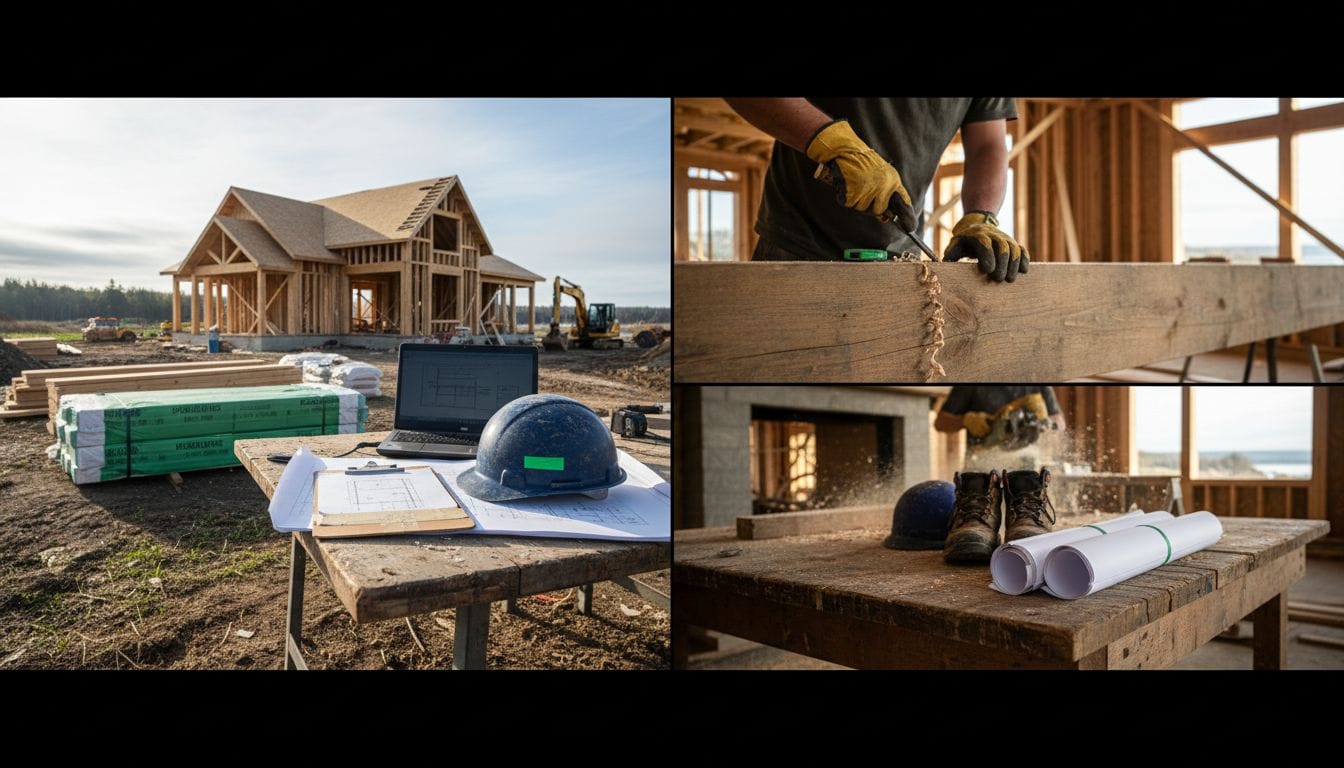
Most Canadian homeowners are surprised to learn that over 75 percent of construction delays can be traced back to miscommunication between project teams. In a busy market where every decision counts, understanding what a general contractor truly does is crucial for anyone considering a new build or major renovation. Discover how these professionals manage planning, navigate regulations, and bring complex projects to life while protecting your investment.
Table of Contents
- What A General Contractor Does Today
- Types Of General Contractors In Construction
- Key Responsibilities From Start To Finish
- Legal Duties And Licensing In Ontario
- Cost, Risk, And Client Collaboration
Key Takeaways
Point
Details
Role of General Contractors
General Contractors are essential for managing all phases of a construction project, coordinating between clients, subcontractors, and suppliers.
Types of General Contractors
Contractors can be categorised into specialisations, including Residential, Commercial, Industrial, and Infrastructure, each requiring unique skill sets.
Legal and Licensing Compliance
In Ontario, General Contractors must navigate complex regulations and maintain professional licensing and insurance to ensure safety and compliance.
Cost Management Strategies
Effective General Contractors utilise detailed budgeting, risk management, and client communication to ensure financial success and project transparency.
What a General Contractor Does Today
A general contractor plays a pivotal role in transforming construction projects from conceptual designs to completed structures, serving as the primary orchestrator of complex building initiatives. Modern construction management requires comprehensive skills that extend far beyond traditional building techniques. In today’s construction landscape, a general contractor acts as a comprehensive project manager responsible for coordinating every aspect of building development. Skilled trades professionals understand that their role encompasses multiple critical responsibilities, including:
- Project Planning: Developing detailed timelines and budgets
- Resource Management: Sourcing materials and hiring specialized subcontractors
- Quality Control: Ensuring work meets building codes and client specifications
- Communication Hub: Serving as primary liaison between clients, workers, and suppliers
Beyond logistical coordination, modern general contractors must navigate increasingly complex regulatory environments, technological integrations, and sustainability requirements. They blend traditional construction knowledge with advanced project management skills, using digital tools to streamline processes, track progress, and maintain transparent communication with all stakeholders throughout the building journey.
Types of General Contractors in Construction
General contractors in the construction industry are not a monolithic group, but rather specialised professionals who adapt their expertise to specific project requirements. Construction project management reveals distinct categories of contractors based on project complexity, scale, and environmental context. According to industry classifications, general contractors can be segmented into four primary types of construction specialities:
- Residential Contractors: Specializing in homes, renovations, and personal living spaces
- Commercial Contractors: Focused on office buildings, retail spaces, and professional environments
- Industrial Contractors: Managing large-scale manufacturing, processing, and industrial facility projects
- Infrastructure Contractors: Handling public works like bridges, roads, utilities, and municipal developments
Each contractor type demands unique skill sets, regulatory knowledge, and technical competencies. Residential contractors, for instance, require intimate understanding of home design, local building codes, and client-specific customization, while industrial contractors must navigate complex engineering requirements, safety protocols, and large-scale project management challenges. The ability to adapt technical expertise to specific project contexts distinguishes top-tier general contractors in today’s dynamic construction landscape. 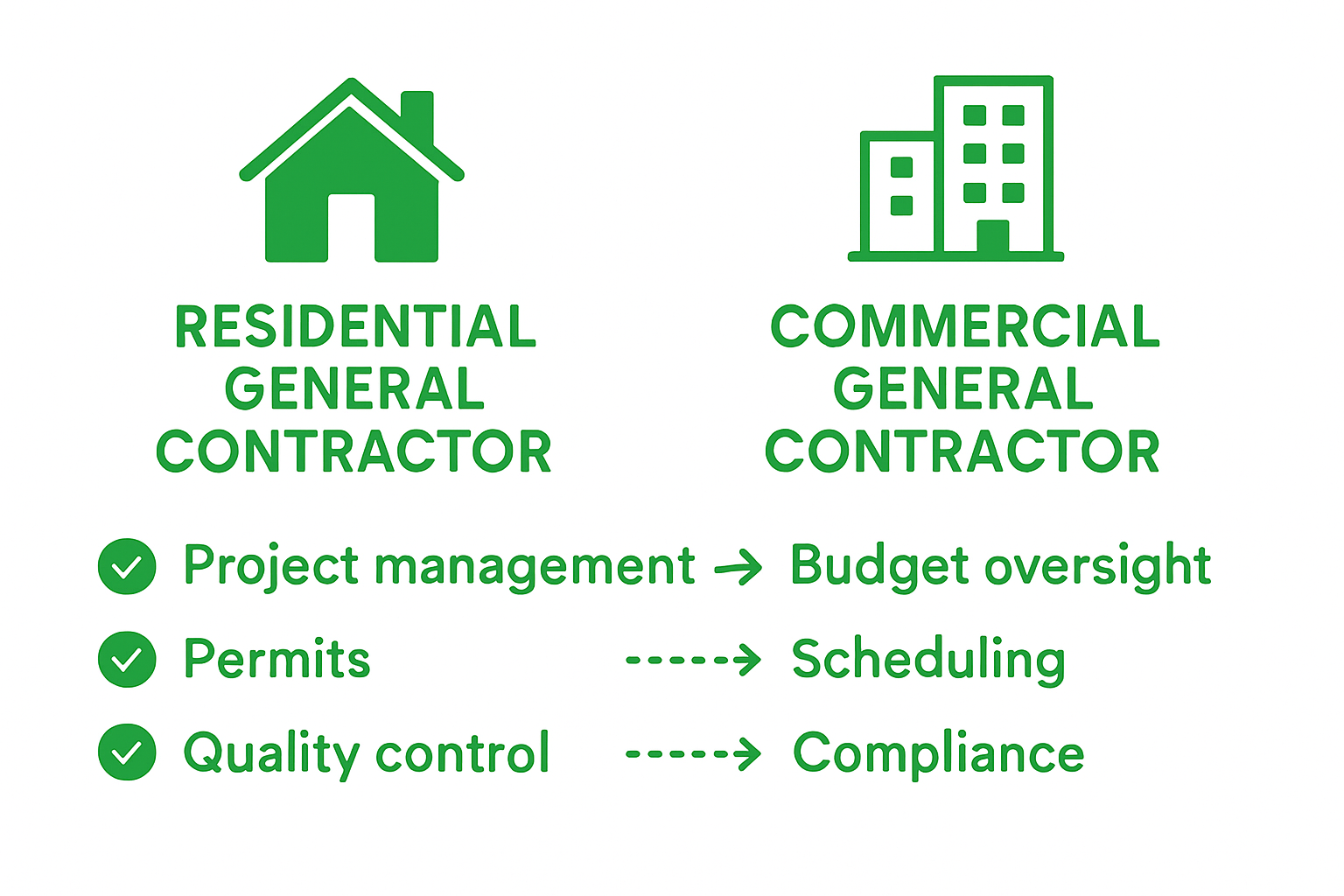
Key Responsibilities from Start to Finish
A general contractor’s comprehensive role spans the entire construction journey, transforming initial client visions into tangible, expertly crafted structures. Custom home renovation workflows require meticulous management across multiple interconnected phases of development. The general contractor’s key responsibilities can be segmented into critical stages, as outlined by industry management standards:
- Pre-Construction Phase:
- Conducting initial site assessments
- Developing detailed project proposals
- Creating comprehensive budget estimates
- Obtaining necessary permits and approvals
- Coordinating initial design consultations
- Construction Management Phase:
- Hiring and managing specialized subcontractors
- Procuring high-quality construction materials
- Ensuring strict adherence to building codes
- Implementing safety protocols
- Maintaining consistent project timelines
- Quality Control and Completion Phase:
- Conducting rigorous site inspections
- Managing final installations and finishes
- Resolving potential construction challenges
- Performing comprehensive project walkthrough
- Ensuring client satisfaction and project handover
Successful general contractors understand that their role extends beyond mere construction management. They serve as strategic partners, transforming complex architectural plans into living, functional spaces while maintaining unwavering commitment to quality, safety, and client expectations. Their expertise acts as a critical bridge between creative design concepts and precise, executable building strategies. 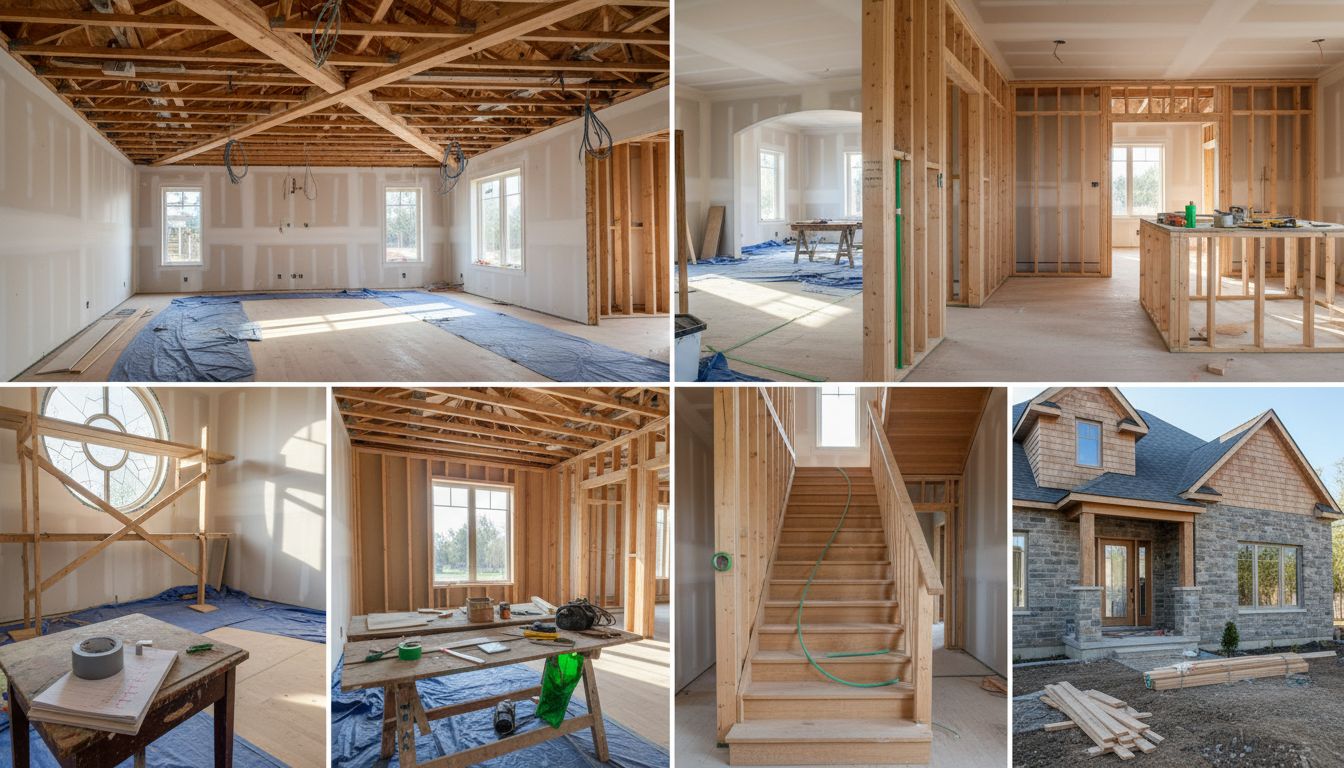
Legal Duties and Licensing in Ontario
General contractors in Ontario operate within a complex regulatory environment that demands rigorous professional credentials and compliance standards. Professional licensing requirements establish clear expectations for technical expertise and legal accountability in the construction industry. The licensing landscape for general contractors in Ontario encompasses several critical dimensions:
- Educational Requirements:
- Potential master’s degree in project management
- Minimum several years of industry experience
- Professional engineering certification or trade-specific qualifications
- Specialised Trade Licensing:
- Electrical safety regulations mandate specific licensing for electrical installation services
- Mandatory certification through Electrical Safety Authority (ESA)
- Compliance with Electricity Act and Licensing Regulation (O. Reg. 570/05)
- Professional Liability Considerations:
- Mandatory insurance coverage
- Adherence to provincial building codes
- Maintaining comprehensive worker safety protocols
- Regular professional development and recertification
Navigating Ontario’s licensing requirements demands meticulous attention to detail. General contractors must continuously demonstrate professional competence, technical skill, and unwavering commitment to safety and regulatory compliance. Their legal responsibilities extend far beyond physical construction, encompassing comprehensive risk management, client protection, and maintaining the highest standards of professional integrity in the built environment.
Cost, Risk, and Client Collaboration
Project management in construction requires a delicate balance between financial precision, risk mitigation, and client expectations. Project cost estimation represents a critical skill that determines the success of any construction initiative, demanding meticulous planning and strategic financial oversight. General contractors navigate complex financial landscapes through several key strategies:
- Budget Development:
- Detailed cost breakdowns
- Comprehensive material and labour pricing
- Contingency fund allocation
- Regular financial tracking and reporting
- Risk Management:
- Comprehensive insurance coverage
- Proactive safety protocol implementation
- Legal compliance verification
- Potential scenario planning
- Client Communication Protocols:
- Transparent progress reporting
- Regular project milestone updates
- Clear expectation setting
- Open feedback channels
The contractor’s role in project management extends beyond simple construction execution. They must strategically balance technical expertise, financial acumen, and interpersonal communication to transform complex building visions into tangible realities. Successful general contractors understand that trust, precision, and adaptability are the fundamental currencies of effective construction project delivery.
Discover How a Skilled General Contractor Elevates Your Custom Home Experience
Navigating the complexities of custom home construction requires more than just vision — it demands expertise in project planning, resource management, and seamless communication. This article highlights the critical role a general contractor plays in transforming your dream home into reality while managing quality, cost, and legal obligations. At Mighton Construction, we understand these challenges and specialise in luxury custom homes and renovations tailored to South Georgian Bay clients who expect precision and transparency throughout the process.  Explore our General Contracting Archives - Mighton Construction | Luxury Custom Homes & Renovations to see how our experienced team turns complex building projects into expertly crafted homes. Visit our website to learn more about our comprehensive approach from initial concept to finishing touches. Ready to take the next step on your custom home journey? Contact us today to start a conversation with trusted builders committed to excellence and integrity.
Frequently Asked Questions
What are the main responsibilities of a general contractor in custom home construction?
A general contractor oversees the entire construction process, which includes project planning, resource management, quality control, and serving as a communication hub between clients, subcontractors, and suppliers.
How does a general contractor ensure the quality of the construction work?
General contractors implement rigorous quality control measures, conduct site inspections, maintain adherence to building codes, and ensure compliance with client specifications throughout the project lifecycle.
What types of contractors should I consider for a custom home project?
For a custom home project, you should consider residential contractors who specialize in home building and renovations, as they have the necessary expertise to navigate local building codes and customize designs to meet client needs.
How does the licensing process impact general contractors?
The licensing process for general contractors ensures that they have the required educational qualifications, industry experience, and compliance with safety regulations, which are essential for maintaining professional integrity and legal accountability in construction.