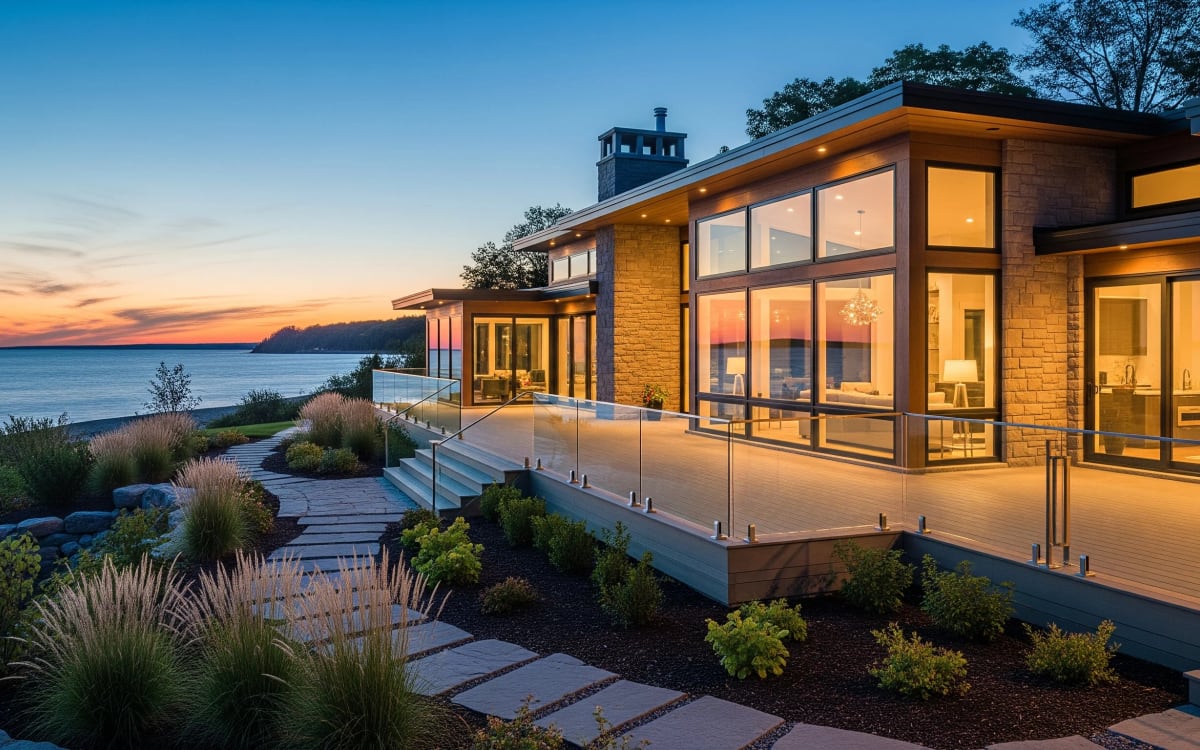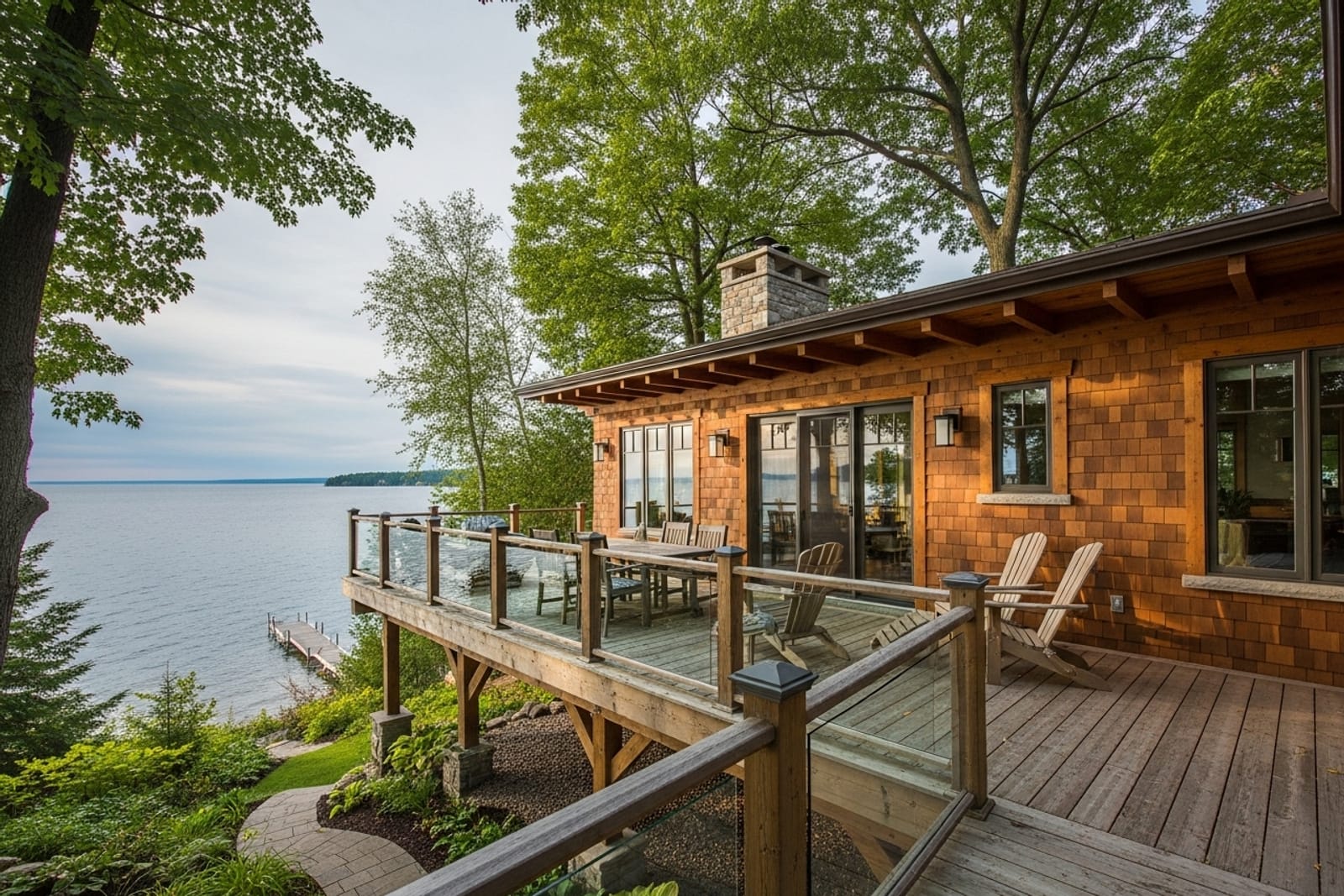
Post and Beam Construction: Luxury Home Impact

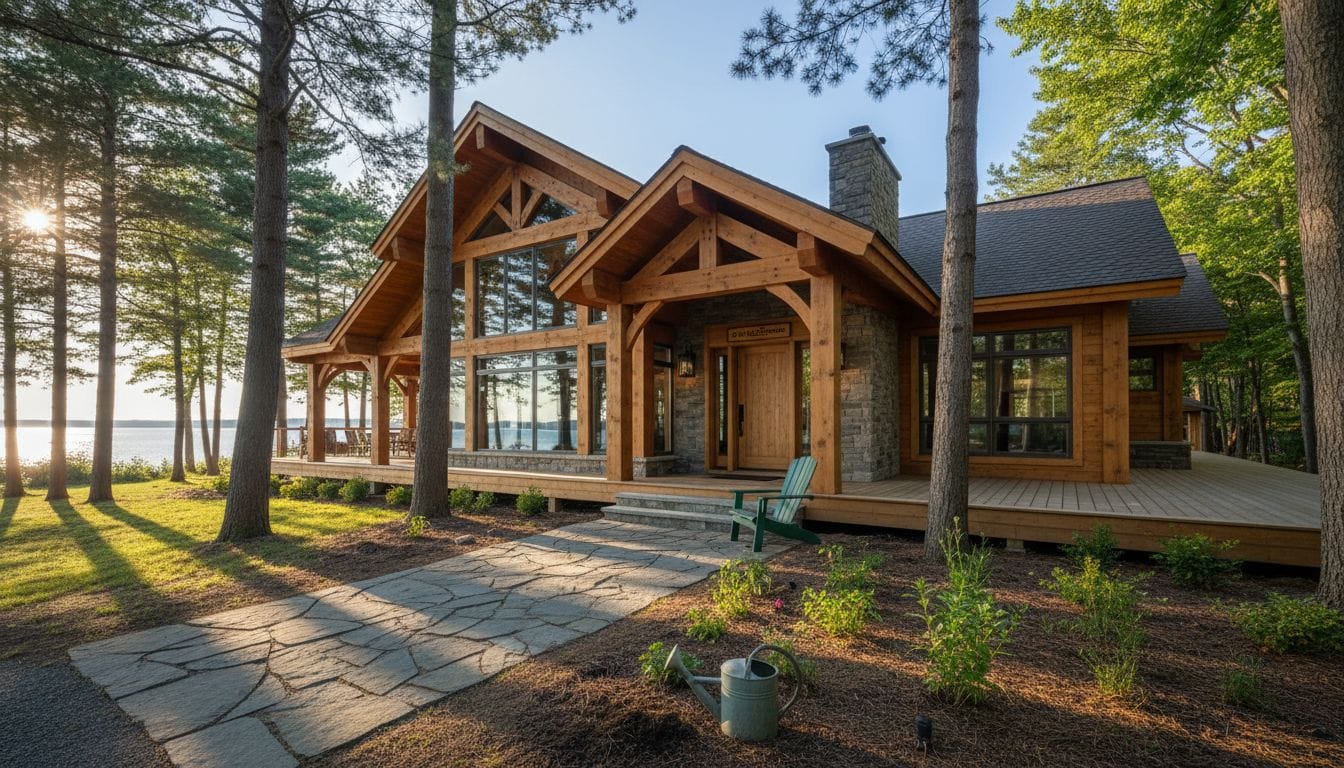
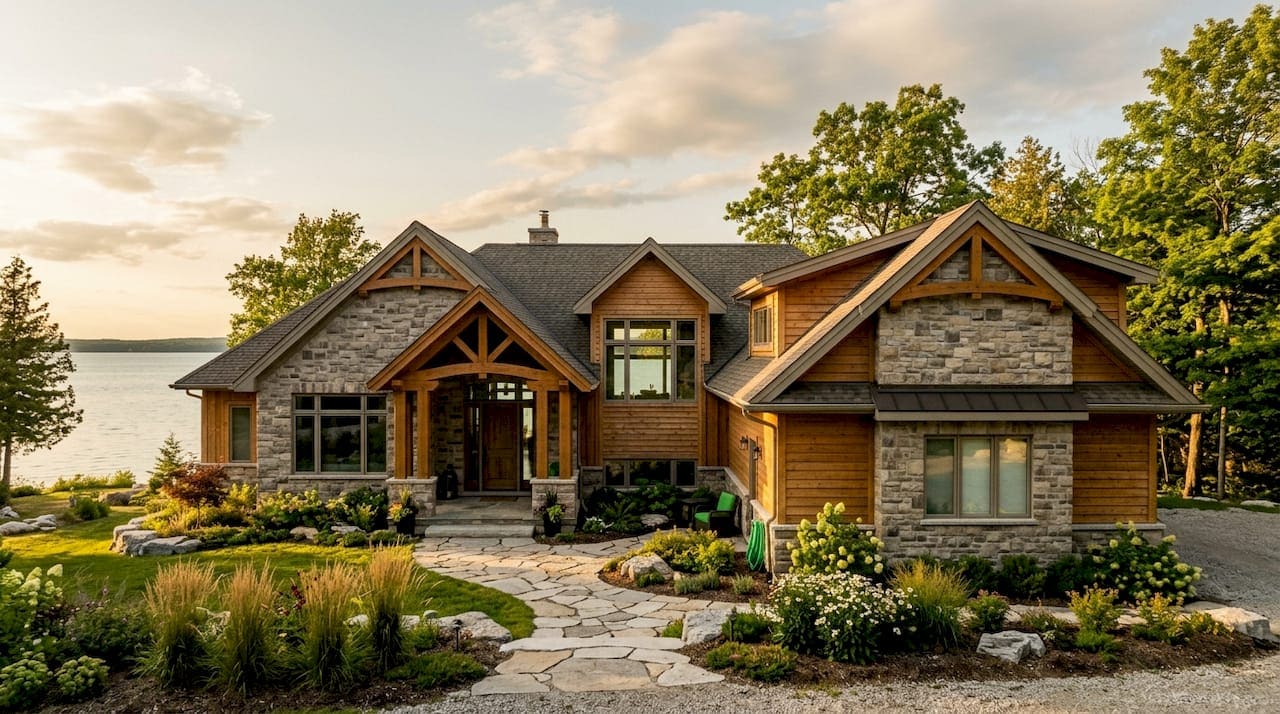
Choosing the right construction method for a luxury home in South Georgian Bay is about more than looks—it shapes how you live every day. Many discerning homeowners are turning to post and beam construction for its striking open layouts and ability to create wide, airy spaces with fewer interior walls. This approach is all about flexibility, freedom in floor plan design, and a timeless aesthetic that pairs perfectly with scenic views from Wasaga Beach to Blue Mountain. Explore how post and beam delivers both enduring structure and the sophisticated comfort you expect in a custom retreat.
Table of Contents
- Post And Beam Construction Fundamentals
- Types And Variations Of Post And Beam
- Key Features And Building Methods
- Canadian Regulations And Code Compliance
- Cost, Benefits, And Common Mistakes
Key Takeaways
| Point | Details |
|---|---|
| Post and Beam Flexibility | This construction method allows for open floor plans by reducing the need for interior walls, enhancing design potential. |
| Material Considerations | Choosing the right wood species and finishes is crucial for durability, especially in moisture-prone areas like lakesides. |
| Compliance with Building Codes | Ensuring adherence to the National Building Code is vital for safety and structural integrity in your post and beam project. |
| Cost Management | Accurately estimating costs, including foundation design and engineering, is essential to avoid budget overruns and delays. |
Post and beam construction fundamentals
Post and beam construction is a time-tested building method that uses a skeletal framework to support your home. Rather than relying on numerous interior walls to carry load, this system uses strategically placed vertical posts and horizontal beams that work together to distribute weight across the structure.
At its core, post and beam construction combines simplicity with strength. The method involves setting heavy posts (typically spaced over 600 millimetres apart, often 1,200 millimetres or more) on a solid foundation, then running beams horizontally between them to carry the building’s load.
Why This System Works
The beauty of this approach lies in its flexibility and open design potential. Because the posts and beams do the heavy lifting, you don’t need interior load-bearing walls dividing up your space. This means wide-open floor plans without structural compromises.
Here’s what makes post and beam construction stand out for luxury homes:
- Open interior spaces without interior walls breaking up your sightlines
- Long clear spans allowing large rooms and dramatic ceiling heights
- Design flexibility to fill spaces between posts with glass, decorative panels, or conventional framing
- Rustic aesthetic appeal when using natural wood like Western red cedar or Douglas fir
- Modern efficiency when combined with engineered wood products like glulams
How It Differs From Other Methods
Post and beam construction uses metal connectors and fasteners to join posts and beams together, distinguishing it from traditional timber framing which relies on intricate wood joinery. This modern approach simplifies construction while maintaining structural integrity and visual appeal.
When you choose post and beam, you’re also choosing a system that works beautifully with modern ICF foundation technology. Building with ICF foundations provides the stable, durable base that post and beam structures require, especially important for luxury cottage and custom home projects in the South Georgian Bay region where water tables and soil conditions demand superior foundation performance.
Here’s a concise comparison of post and beam, traditional timber framing, and conventional wood framing methods:
| Characteristic | Post and Beam | Traditional Timber Framing | Conventional Wood Framing |
|---|---|---|---|
| Main Connector Type | Metal fasteners | Wood joinery (mortise and tenon) | Nails and screws |
| Spacing of Supports | Wide (1,200+ mm typical) | Typically wider | Close (400–600 mm) |
| Interior Walls Needed | Few, mainly for layout | Few, mostly for style | Often structural |
| Typical Materials | Solid or engineered wood | Solid heavy timber | Dimensional lumber |
| Construction Speed | Fast, modernized | Slow, handcrafted | Fast, widely adopted |
| Aesthetic Style | Modern to rustic | Heritage, visible craftsmanship | Standard/hidden structure |
The Framework Components
Every post and beam structure relies on three core elements working together:
- Foundation - A solid base that anchors and supports the entire system
- Posts - Vertical members that carry loads down to the foundation
- Beams - Horizontal members that span between posts and support the roof or upper floors
- Decking - The material filling spaces between beams (wood, engineered panels, or other materials)
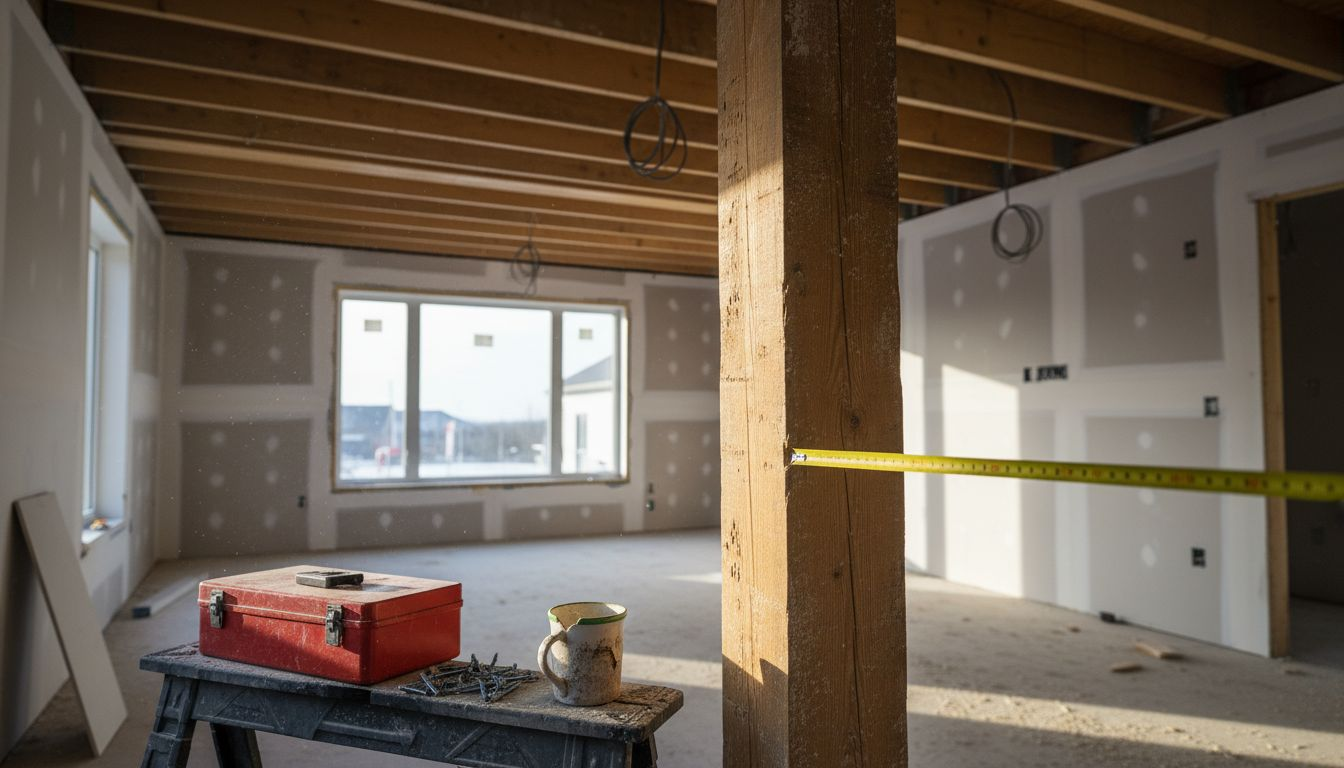
The spacing between posts is crucial. Wider spacing reduces the number of vertical elements, creating that coveted open feel in luxury homes. Narrower spacing provides more design options for wall placement if you want some defined areas.
Wood Species and Durability
Canadian builders commonly choose wood species suited to coastal and lakefront environments. Western red cedar offers natural rot resistance, while Douglas fir provides exceptional strength. Proper wood finishing and protective treatments extend the life of your structure significantly, protecting against weather exposure common in Wasaga Beach, Collingwood, and Blue Mountain properties.
Pro tip: When planning post and beam construction for a lakefront property, work with your builder to select wood species and finishes specifically designed for moisture exposure—this investment upfront prevents costly repairs and maintains your home’s structural integrity for decades.
Types and variations of post and beam
Post and beam construction isn’t one-size-fits-all. The system adapts to your project’s unique needs, whether you’re building a simple carport or a luxury waterfront cottage. Understanding the main variations helps you choose the right approach for your South Georgian Bay home.
Primary Types
Three main construction methods fall under the timber-related umbrella, and post and beam sits distinctly in the middle. Unlike full scribe log homes that require rounded logs precisely fitted together, post and beam homes use fewer logs and incorporate engineered wood products with metal connectors for simpler construction.
This flexibility makes post and beam ideal for custom homes where you want natural aesthetics without the complexity of traditional timber framing.
Design Variations
Post and beam adapts to what you envision. The main variations include:
- Post spacing - Wide spacing (1,200+ millimetres) for dramatic open layouts or closer spacing for more defined areas
- Material choices - Solid wood, glulams, or engineered beams depending on span requirements and budget
- Infill options - Glass for expansive views, decorative panels for character, or conventional framing for flexibility
- Integration approach - Standalone post and beam or combined with conventional wood-frame construction
Materials and Construction Integration
Post and beam systems vary from simple structures to complex custom-designed homes. What makes this method powerful is how seamlessly it integrates with other building techniques. You might use post and beam for the main structure while incorporating standard framing elsewhere.
Engineered wood products like glulams offer consistent strength and allow longer spans than solid wood, reducing the number of posts needed. This is especially valuable in open-concept luxury homes.
Aesthetic Outcomes
Your choice of wood species and joint details dramatically affects the final look. Rustic timber frames look different from sleek modern post and beam designs using hidden metal connectors. The variation in joint types—visible wooden joinery versus concealed metal fasteners—determines whether your home showcases traditional craftsmanship or contemporary minimalism.
Different wood species and finishing techniques create vastly different aesthetic outcomes, even within the same post and beam framework.
Applications in Your Region
In Wasaga Beach, Collingwood, and Blue Mountain, post and beam excels for cottage retreats, custom homes with lake views, and renovation additions to existing structures. The adaptability means you can respect heritage properties while adding modern living spaces.
Whether you’re designing a vacation property or a year-round residence, post and beam variations let you balance open-concept living with defined functional areas.
Pro tip: Before finalising your post and beam design, discuss material options with your builder—glulams versus solid wood, and metal connectors versus visible joinery—since these choices affect both construction timeline and final aesthetics significantly.
Key features and building methods
Post and beam construction delivers distinctive advantages through its skeletal framework design. Understanding how this system works—and what makes it different from conventional building—helps you appreciate why luxury homeowners choose it for custom builds across South Georgian Bay.
The Core Structural Advantage
The fundamental strength of post and beam lies in its skeletal structure. Widely spaced vertical posts and horizontal beams carry all structural loads, eliminating the need for interior load-bearing walls. This means your floor plan isn’t dictated by structural requirements—it’s dictated by your vision.
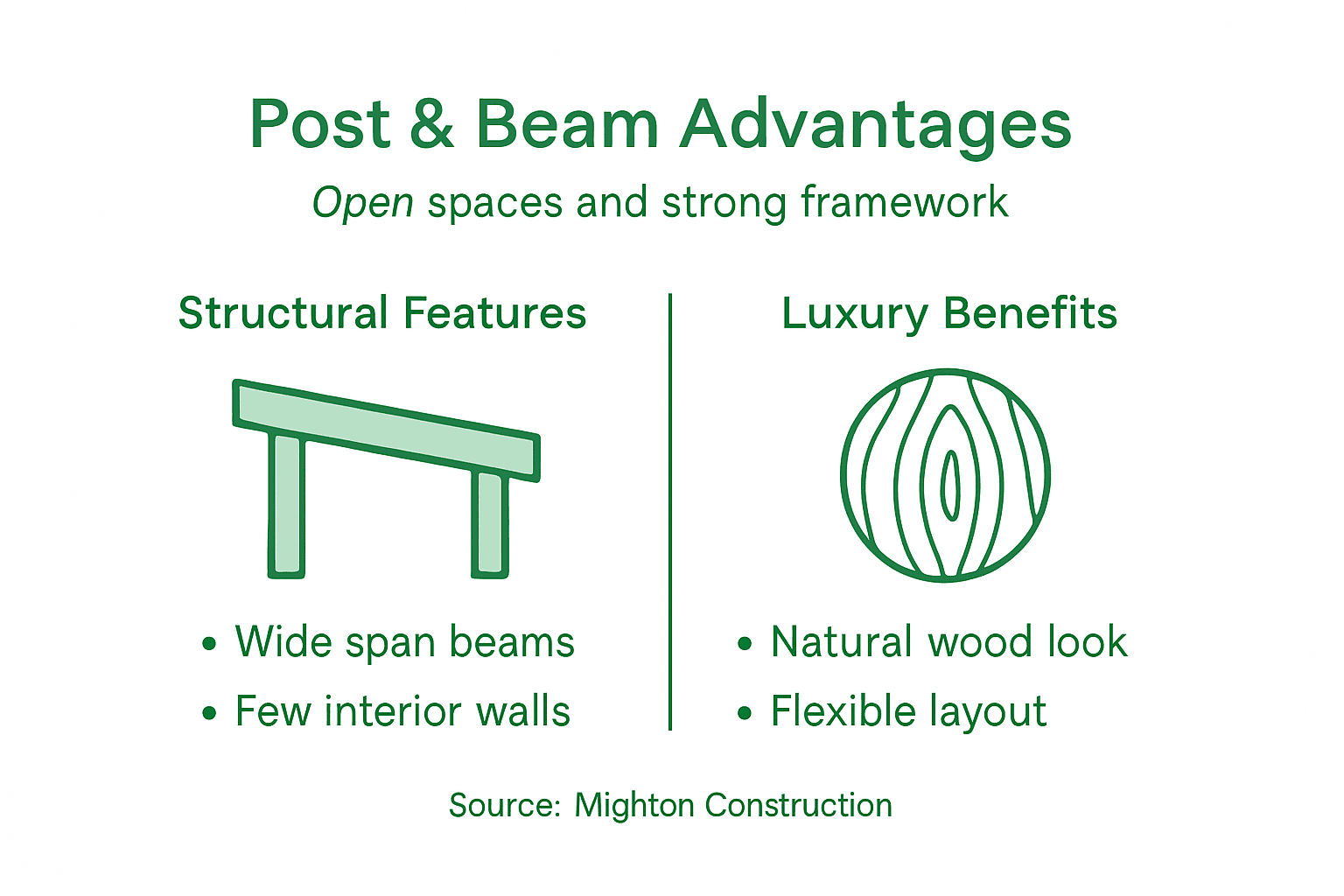
Heavy vertical posts and horizontal beams create a framework that permits large open interior spaces without compromising strength. Posts are typically spaced regularly along building walls and fastened with bolts and superior truss connection systems for reliable performance.
Key Structural Features
What sets post and beam apart from other construction methods?
- Long clear spans allowing large rooms without intermediate support columns
- Non-structural interior partitions that can be repositioned without affecting the building’s integrity
- Freedom in interior layout because load requirements don’t dictate wall placement
- Flexible infill options between posts—glass, panels, or conventional framing
- Durable wood protection through stains and paints that maintain aesthetic appeal
Construction Integration Methods
Post and beam rarely stands alone. Most luxury homes combine post and beam with conventional wood framing for infill sections. This hybrid approach gives you the open-concept drama of post and beam where it matters most, while using standard framing for practical areas like utility spaces or bedrooms.
This flexibility is why post and beam works beautifully in renovation projects and waterfront cottages. You can preserve existing structures while adding dramatic new living spaces.
Finishing and Protection
Raw wood exposed to Simcoe County’s weather demands proper protection. Wood finishes and panel choices do more than look beautiful—they protect your investment. Stains and paints create weatherproof barriers while enhancing the natural character of beams and posts.
The finishing detail level distinguishes luxury post and beam homes from basic versions. Premium stains highlight wood grain, while protective coatings ensure longevity in lakefront environments.
Post and beam’s beauty depends entirely on how well the wood is finished and protected against weather exposure.
Foundation Considerations
A strong foundation is critical for post and beam success. The concentrated loads from posts demand a robust base. Proper foundation design ensures your structure remains stable and level for decades.
Pro tip: Discuss foundation options early in planning—the foundation must be specifically designed to support your post and beam loads, and this decision affects both construction timeline and long-term performance.
Canadian regulations and code compliance
Building a luxury home with post and beam construction in Canada means meeting strict regulatory standards. These rules exist to ensure your structure is safe, durable, and built to withstand local weather conditions—especially important in Simcoe County’s variable climate.
The National Building Code Framework
The National Building Code of Canada serves as the model code for all building design and construction, including post and beam systems. Developed by the Canadian Commission on Building and Fire Codes, it’s adopted by provincial and territorial governments with possible local modifications.
This means Ontario has its own building code based on the NBC 2020, which sets minimum safety and performance standards. Your post and beam project must comply with these standards without exception.
Key Compliance Requirements
Post and beam construction triggers specific code requirements:
- Professional engineering design for posts and beams spaced more than 600 millimetres apart
- CSA standards adherence for engineered wood components
- Sealed drawings prepared by a licensed professional engineer
- Lateral load resistance calculations for wind and seismic forces
- Diaphragm and shear wall design documentation
Engineering and Design Standards
Canadian post-frame construction requires designers to demonstrate how structures resist lateral loads such as wind and seismic forces. This isn’t just paperwork—it’s critical safety documentation.
Your builder must provide sealed drawings that include design criteria, methods applied, and confirmation of post design for lateral resistance. Simcoe County’s location means wind exposure is a real consideration in design calculations.
Why This Matters for Your Project
Compliance isn’t bureaucracy—it’s protection. These standards ensure your post and beam home remains structurally sound through Ontario winters, spring thaws, and summer storms. The engineering documentation proves your structure meets safety requirements.
When selecting your builder, confirm they work with licensed engineers experienced in post and beam compliance. This expertise ensures smooth permit approval and flawless construction.
Code compliance documentation protects both your investment and your family’s safety for decades.
Working With Your Builder
Reputable builders like Mighton Construction understand these requirements intimately. They factor compliance timelines and engineering costs into project planning from day one. This prevents costly delays or design revisions mid-construction.
Your builder should explain how your specific design meets code requirements and answer questions about compliance documentation.
Pro tip: Request copies of all compliance documentation and engineer-sealed drawings before construction begins—these confirm your project meets all Canadian building codes and provide documentation for future insurance and resale purposes.
Cost, benefits, and common mistakes
Post and beam construction represents a significant investment in your luxury home. Understanding the real costs, genuine benefits, and pitfalls that derail projects helps you make informed decisions and avoid expensive mistakes.
Understanding Post and Beam Costs
Cost varies significantly based on several factors. Post and beam framing typically ranges from CAD 40 to 60 per square foot, while fully insulated and finished shells reach CAD 150 to 200 per square foot. Your final cost depends on:
- Building size and complexity of design
- Material quality and wood species selection
- Joinery style (traditional versus modern prefabricated)
- Insulation levels and energy efficiency features
- Site preparation and foundation requirements
- Location within South Georgian Bay or surrounding regions
Design complexity drives costs more than most homeowners expect. A simple rectangular post and beam structure costs far less than intricate angles, cathedral ceilings, and dramatic cantilevers.
Below is a summary of cost drivers and value factors unique to post and beam construction projects:
| Factor | Impact on Cost | Impact on Project Value |
|---|---|---|
| Structure complexity | Raises overall cost | Enables custom design features |
| Wood species selection | Premium wood increases costs | Superior durability and unique look |
| Engineering & permitting | Upfront expense | Ensures code compliance and safety |
| Foundation design | Major cost driver | Essential for long-term stability |
| Finishing quality | Higher finish costs | Boosts resale value and longevity |
The Real Benefits
When done right, post and beam delivers exceptional value beyond initial savings. You gain:
- Faster construction timelines compared to conventional methods
- Lower labour costs due to simplified assembly
- Flexible design options for future modifications
- Superior durability and strength over decades
- Environmental sustainability through wood efficiency
- Aesthetic appeal that commands premium resale value
- Energy efficiency potential with proper insulation planning
Luxury homeowners in Wasaga Beach and Collingwood often recoup premium post and beam costs through stronger resale values and dramatically superior aesthetics.
Common Mistakes That Cost Time and Money
Typical errors in post and beam projects include underestimating foundation requirements, ignoring local building codes, and insufficient insulation planning. Here’s what sabotages projects:
- Inadequate foundation design for concentrated post loads
- Skipping code compliance during early planning stages
- Poor insulation planning creating energy efficiency problems
- Inadequate design planning before construction starts
- Mixing traditional and modern components without clear strategy
- Underestimating weather protection in lakefront environments
The costliest mistakes happen during planning, not construction. Poor decisions early multiply expenses exponentially.
Planning to Avoid Problems
Successful post and beam projects start with realistic budgeting. Work with your builder to establish detailed specifications before signing contracts. Confirm that engineering, permits, and code compliance are factored into timelines and costs.
Don’t assume your builder will catch design flaws. Ask specific questions about foundation design, insulation strategy, and weather protection for your location.
Pro tip: Request itemised cost breakdowns that separate framing, labour, materials, engineering, permits, and contingency—this transparency prevents surprise expenses and reveals where costs actually accumulate in your project.
Discover the Strength and Elegance of Post and Beam with Mighton Construction
Are you looking to create a luxury home that combines open-concept design with structural integrity and lasting beauty Post and beam construction offers unmatched flexibility with wide post spacing, engineered wood beams, and stunning natural finishes. Whether you want expansive lake views or modern minimalism, this method empowers you to realise your dream space without compromise.
At Mighton Construction, we bring over 30 years of expertise building custom homes and waterfront cottages across South Georgian Bay. From solid foundations featuring durable ICF construction to bespoke wood frames and expert insulation solutions, we handle every detail that makes your post and beam home exceptional. Visit our website today to explore how we can turn your vision into a breathtaking reality. Start your journey to a structurally sound and beautifully crafted post and beam luxury home now.
Frequently Asked Questions
What are the primary benefits of post and beam construction for luxury homes?
Post and beam construction offers numerous benefits, including open interior spaces without load-bearing walls, long clear spans for dramatic ceiling heights, design flexibility, and a rustic aesthetic appeal. It also combines modern efficiency with engineered wood products for durability and strength.
How does post and beam construction differ from traditional timber framing?
Post and beam construction utilizes metal connectors and fasteners to join beams and posts, in contrast to traditional timber framing, which relies on intricate wood joinery. This makes post and beam simpler and faster to construct while maintaining structural integrity and aesthetic appeal.
What types of materials are typically used in post and beam construction?
Common materials for post and beam construction include solid wood species like Western red cedar and Douglas fir, engineered wood products like glulams, and metal connectors. Each material choice influences the strength, durability, and appearance of the structure.
What should I consider regarding foundation design for post and beam construction?
A robust foundation is crucial for post and beam structures, as heavy vertical posts place concentrated loads on the base. It’s important to ensure the foundation is specifically designed to support these loads, which will affect both the construction timeline and long-term structural integrity.