
How to Build with ICF Foundations for Lasting Results
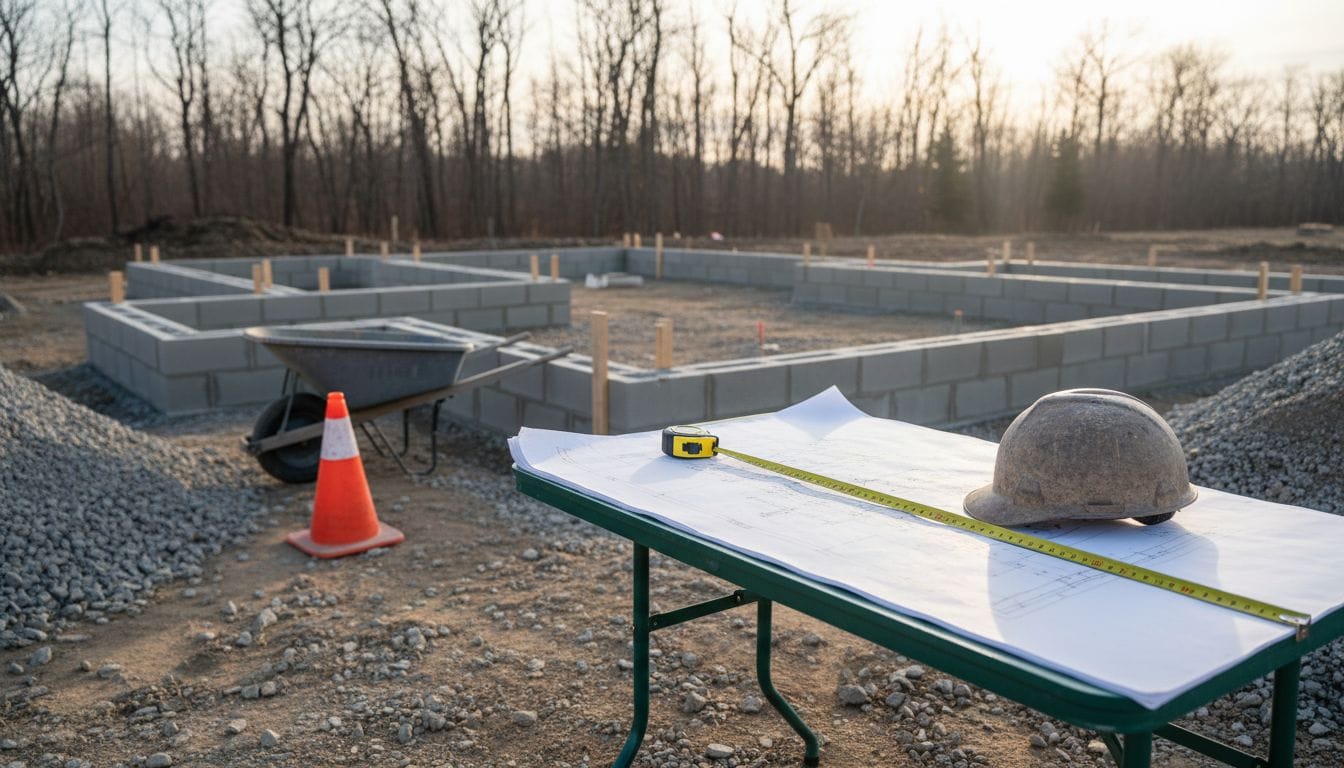
Most Canadian homebuilders are surprised to learn that a well prepared site is responsible for over 60 percent of foundation longevity. Building with Insulated Concrete Forms is growing across Canada, yet skipping careful groundwork can lead to major setbacks. By starting with detailed site assessment and precise layout, you set the foundation for a project that stands strong against our country’s tough seasons. This step-by-step guide details everything you need to know to create a reliable base for your Canadian construction plans, whether you’re planning an energy-efficient custom home or upgrading your current build with a high-performing foundation.
Table of Contents
- Step 1: Assess Site And Prepare Layout
- Step 2: Install Footings And Set ICF Blocks
- Step 3: Reinforce And Align ICF Walls
- Step 4: Pour Concrete And Maintain Integrity
- Step 5: Inspect, Waterproof, And Finish Foundation
Quick Summary
Key Insight
Explanation
1. Thorough site preparation is crucial
Remove vegetation and debris for a clean surface, minimizing potential issues during construction. Evaluate soil and drainage conditions beforehand.
2. Accurate measuring is essential
Use professional tools like stakes and laser levels to ensure precise foundation layout, which is vital for structural integrity.
3. Reinforce ICF walls effectively
Incorporate vertical and horizontal rebar within ICF blocks to enhance strength against environmental forces and structural stresses.
4. Monitor concrete pouring carefully
Use a concrete pump for even filling, and ensure all sections are filled to prevent air pockets that could weaken the foundation.
5. Implement effective waterproofing methods
Perform thorough inspections and apply robust waterproofing solutions to prevent moisture infiltration and damage to the foundation.
Step 1: Assess Site and Prepare Layout
Preparing the site for an Insulated Concrete Form (ICF) foundation demands precise groundwork and strategic planning. This critical first phase sets the stage for a robust and long lasting construction project that will support your entire building structure. Start by thoroughly clearing and evaluating your construction site. Remove all vegetation, debris, and potential obstructions that might interfere with foundation work. Your goal is creating a clean, level surface ready for precise measurements and excavation. Proper groundwork preparation involves meticulously examining soil conditions, checking drainage patterns, and understanding the ground’s composition. This initial assessment helps prevent future structural complications. Carefully mark out your foundation layout using professional grade surveying equipment to ensure absolute precision. Remember that ICF foundations require extremely accurate measurements to guarantee proper wall alignment and structural integrity. Professional surveyors recommend using stakes, string lines, and laser levels to establish exact perimeter lines and elevations. For residential projects in areas like South Georgian Bay, accounting for local terrain variations becomes especially crucial.
Pro Tip: Always conduct a comprehensive soil test before beginning excavation. Different soil types significantly impact foundation design and potential load bearing requirements.
Once your layout is established, you will be prepared to move forward with precise excavation and foundation preparation stages that will form the backbone of your construction project.
Step 2: Install Footings and Set ICF Blocks
Now that your site is prepared, you are ready to begin the critical process of installing footings and setting Insulated Concrete Form (ICF) blocks. This stage transforms your carefully planned layout into the foundational framework of your future structure. 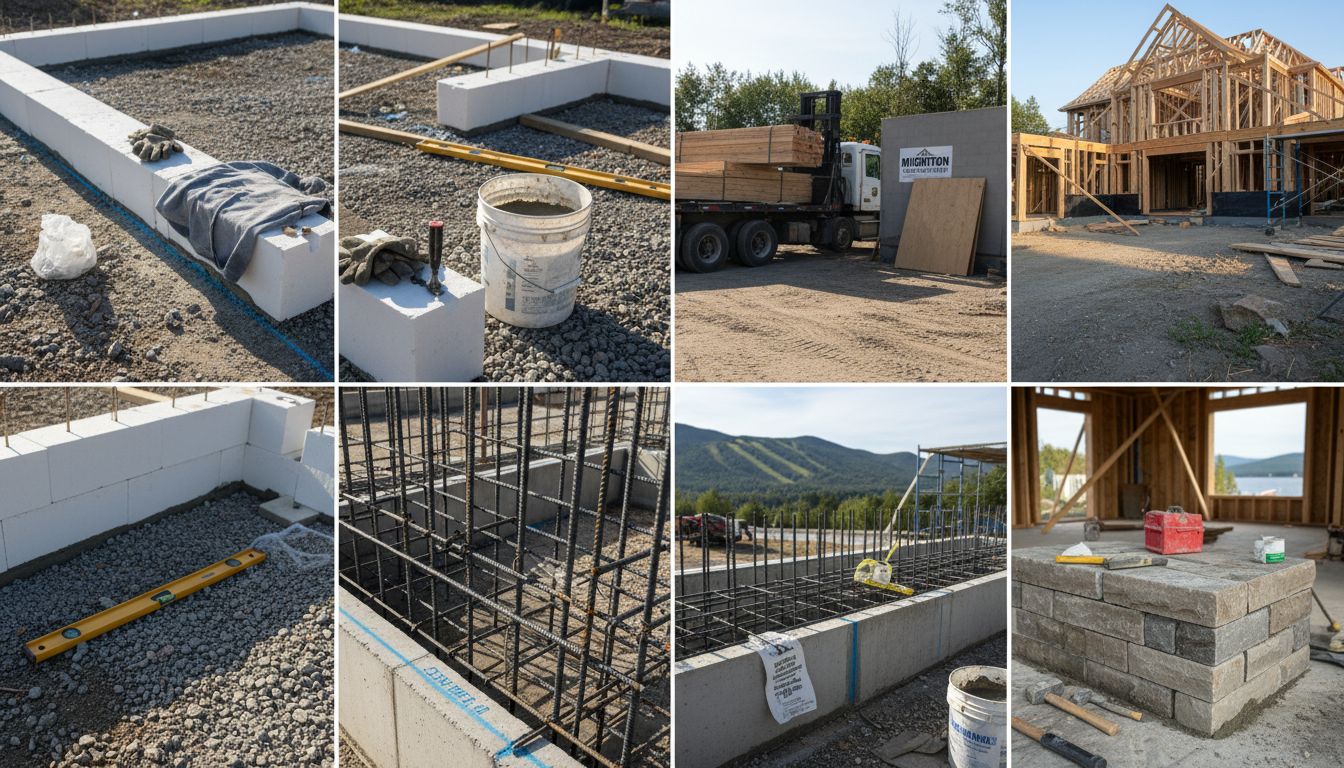 Begin by pouring a solid concrete footing that will serve as the base for your ICF walls. The footing must be level, wide enough to support the wall’s weight, and reinforced with rebar to ensure maximum stability. ICF blocks can be stacked like Lego bricks, creating an interlocking framework that provides exceptional structural strength. As you place each block, ensure they align perfectly and connect seamlessly to create a continuous wall system. While setting the blocks, strategically incorporate horizontal and vertical rebar to enhance the foundation’s structural integrity. Pay close attention to each block’s orientation, making certain they are positioned correctly and locked tightly together. For projects in regions like South Georgian Bay, where terrain and weather conditions can be challenging, precise block placement becomes even more crucial.
Pro Tip: Use string lines and laser levels to maintain absolute straightness and prevent any potential misalignment during ICF block installation.
Once your ICF blocks are securely in place, you will be ready to proceed to the next phase of concrete pouring and reinforcement, which will solidify your foundation’s strength and durability.
Step 3: Reinforce and Align ICF Walls
With your ICF blocks in position, the next crucial phase involves precise reinforcement and alignment to ensure a structurally sound foundation that will support your entire building. This step transforms your preliminary wall structure into a robust engineering marvel capable of withstanding environmental challenges. Temporary bracing systems play a critical role in maintaining wall stability during the construction process. Begin by installing vertical and horizontal steel rebar throughout the ICF blocks, carefully threading these reinforcement bars to enhance structural integrity and resistance against lateral forces like wind and potential seismic activity. Ensure each rebar section is precisely positioned and securely tied to create a continuous reinforcement network that will significantly strengthen your foundation. Pay meticulous attention to wall alignment using professional surveying tools like laser levels and string lines. Small deviations can compound into significant structural issues, so precision is paramount. For projects in challenging terrains like South Georgian Bay, where landscape variations can complicate construction, extra care must be taken to maintain absolute straightness and square corners.
Pro Tip: Double check all measurements and alignments before pouring concrete. Once set, corrections become exponentially more difficult and expensive.
With your walls now perfectly reinforced and aligned, you are prepared to move forward to the concrete pouring phase that will permanently solidify your foundation’s strength and durability.
Step 4: Pour Concrete and Maintain Integrity
The concrete pouring phase represents the critical moment where your meticulously prepared ICF foundation transforms from a structural framework into a solid structural element. This stage demands precision technique and careful execution to guarantee long lasting performance and durability. 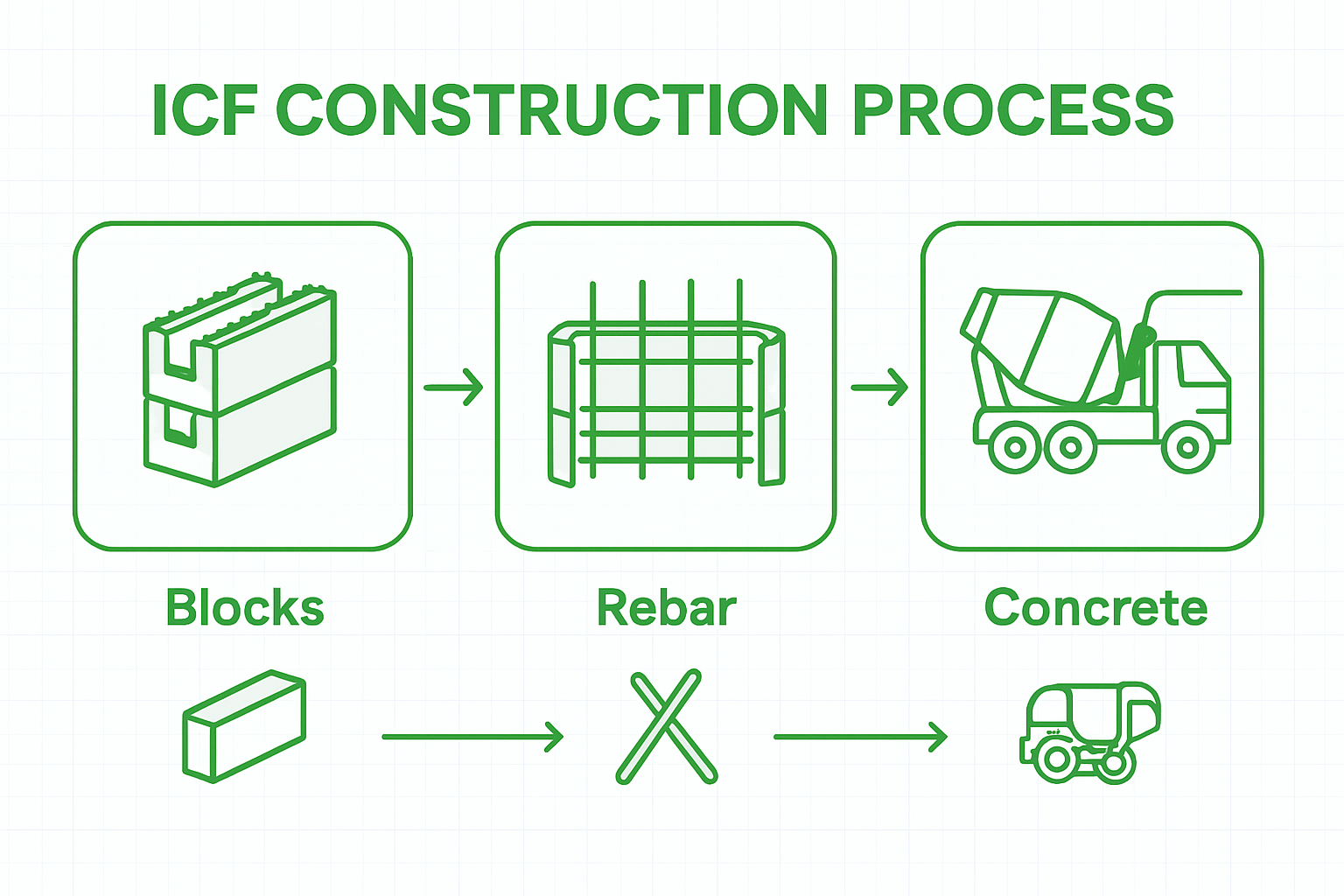 Concrete placement for Insulated Concrete Form walls is best accomplished using a concrete pump, which allows for controlled and consistent filling of the ICF blocks. Begin by systematically filling the blocks from the bottom up, ensuring even distribution and minimizing air pockets that could compromise structural integrity. Work in measured sections and use vibrating tools to help settle the concrete and eliminate potential voids that might weaken your foundation. Monitor the concrete pouring process carefully to maintain consistent density and prevent uneven settling. Pay special attention to wall corners and intersections where structural stress can accumulate. For projects in regions like South Georgian Bay with variable terrain and climate conditions, extra vigilance during the concrete pour becomes essential to prevent potential structural weaknesses.
Pro Tip: Allow sufficient curing time and protect the newly poured concrete from rapid temperature changes or moisture exposure that could impact its strength and longevity.
Once the concrete has been poured and begins its initial curing process, you will be prepared to move forward with waterproofing and final foundation preparation steps.
Step 5: Inspect, Waterproof, and Finish Foundation
With the concrete pour complete, you now enter a critical phase of foundation construction that will protect your structure from moisture, environmental stress, and potential structural degradation. This final stage transforms your raw concrete foundation into a resilient barrier that safeguards your entire building. Foundation walls require meticulous inspection and waterproofing techniques to prevent water infiltration and potential structural compromise. Begin with a comprehensive visual inspection of the foundation, looking for any surface imperfections, hairline cracks, or uneven areas that might compromise water resistance. Apply a high quality waterproofing membrane systematically across the entire foundation surface, ensuring complete coverage and paying extra attention to potential vulnerability points like wall intersections and penetration areas. In the South Georgian Bay region, where climate conditions can be particularly challenging, select a waterproofing solution specifically designed to withstand freeze thaw cycles and potential moisture variations. Consider applying both liquid applied membranes and drainage board systems to create a multilayered protection strategy. Implement proper exterior drainage solutions like perimeter drains and grading that direct water away from your foundation to prevent potential long term moisture related issues.
Pro Tip: Allow sufficient curing time for your concrete and waterproofing materials before backfilling to ensure maximum adhesion and effectiveness.
With your foundation now carefully inspected, waterproofed, and prepared, you have completed the foundational stages of your ICF construction project and are ready to move forward with subsequent building phases.
Build Lasting Foundations with Expert ICF Solutions from Mighton Construction
Facing the challenges of building with ICF foundations requires precision, expertise, and a trusted ICF contractor in Wasaga Beach who understands the unique demands of South Georgian Bay’s climate and terrain. Whether you’re in Wasaga Beach, Collingwood, or beyond, choosing the right ICF contractor serving Collingwood ensures your foundation not only lasts but performs exceptionally well over time.This article highlights the importance of flawless site preparation, accurate block installation, structural reinforcement, and waterproofing to ensure your foundation not only lasts but performs exceptionally well over time. If you are aiming to create a durable and energy-efficient foundation that aligns with your vision, tackling these critical stages can feel overwhelming without professional guidance. Mighton Construction Limited specializes in crafting luxury custom homes and robust ICF foundations tailored precisely to your needs. Our commitment to high-quality workmanship and transparent project management means we handle every detail from initial layout assessment to final waterproofing with unmatched care. Discover more about our expertise in foundation building and luxury custom home projects by exploring our ICF Construction Archives.  Ready to transform your custom home vision into a resilient reality? Partner with Mighton Construction to benefit from over 30 years of local experience and lasting craftsmanship. Visit our main site at Mighton Construction to learn how we can support your project. For broader renovation needs including basement finishing, explore our Basement Renovations Archives. Take the next step today to build a foundation that stands strong for generations.
Frequently Asked Questions
How do I prepare my site for an ICF foundation?
To prepare your site for an Insulated Concrete Form foundation, start by clearing vegetation and debris to create a clean, level surface. Conduct a thorough assessment of soil conditions and drainage patterns, then mark your foundation layout precisely using professional surveying equipment.
What steps should I follow when installing footings and ICF blocks?
Begin by pouring a solid concrete footing that is level and wide enough to support the ICF walls. As you stack the ICF blocks, ensure they align correctly and incorporate rebar reinforcement for added structural strength.
How can I ensure my ICF walls are properly reinforced and aligned?
To properly reinforce and align your ICF walls, install vertical and horizontal steel rebar throughout the blocks, securing each section tightly. Use laser levels and string lines to maintain accuracy and check all measurements before proceeding with concrete pouring to avoid costly adjustments later.
What techniques should I use for an effective concrete pour?
For an effective concrete pour, use a concrete pump to fill the ICF blocks systematically from the bottom up. Monitor the process closely to ensure even density and use vibrating tools to help eliminate air pockets and voids that could weaken your foundation.
How do I waterproof my ICF foundation after pouring concrete?
Once the concrete pour is complete, conduct a visual inspection for any imperfections and apply a high-quality waterproofing membrane over the entire foundation surface. Consider implementing exterior drainage solutions to direct water away from the foundation, ensuring long-term moisture protection.
What is the importance of curing time for concrete and waterproofing materials?
Allowing sufficient curing time for both your concrete and waterproofing materials is crucial to ensure maximum adhesion and effectiveness. Typically, aim for at least 7 days for initial curing before backfilling to enhance the integrity of your foundation.