How to Budget for Custom Cottage: A Step-by-Step Guide
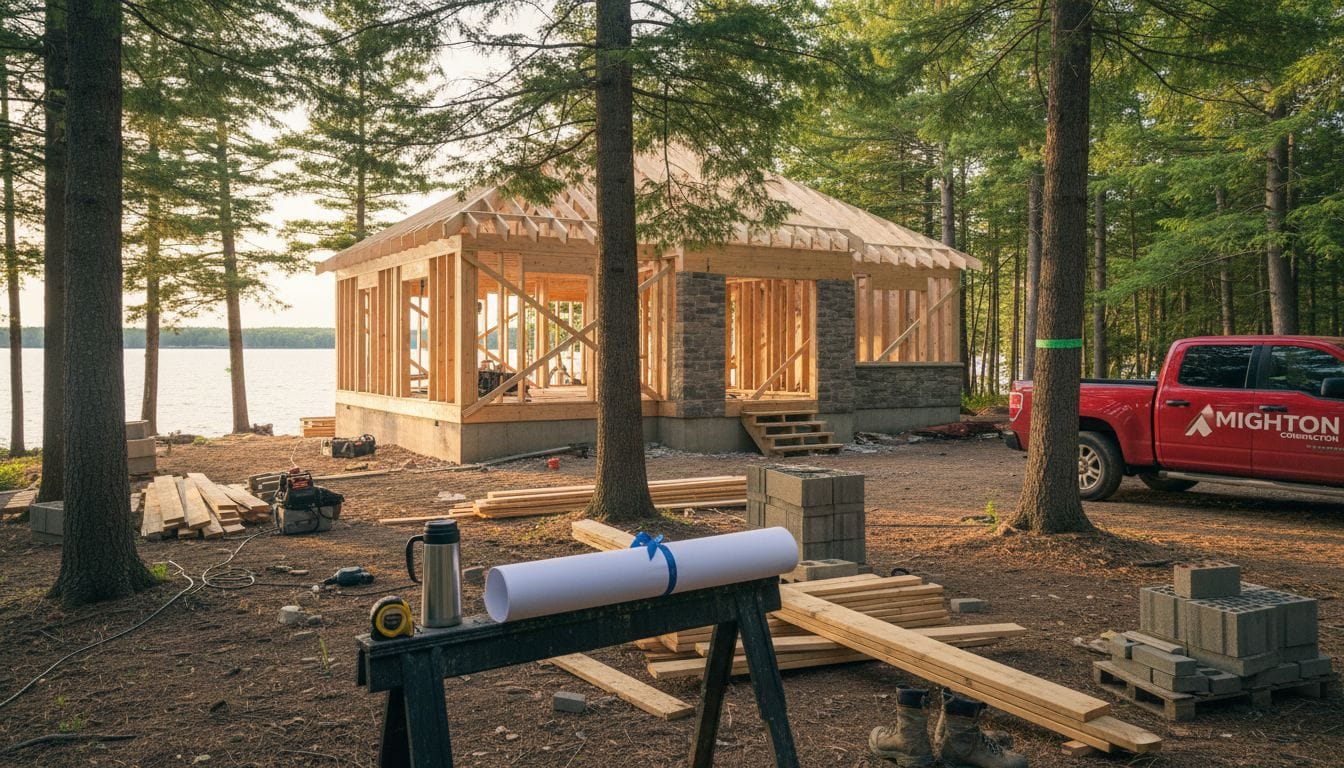
Most Canadian retirees underestimate the true costs of building a luxury custom cottage by as much as 30 percent. Securing your dream retreat in South Georgian Bay demands a clear vision, sharp budgeting, and smart choices about sustainable features that reflect your commitment to quality living. This guide reveals how to match your aspirations to effective financial planning, showcasing practical steps for selecting premium materials and navigating the unique challenges of the Canadian cottage market.
Table of Contents
- Step 1: Assess Your Cottage Vision And Priorities
- Step 2: Estimate Costs With Regional Data And Builder Input
- Step 3: Identify Premium Materials And Sustainable Features
- Step 4: Allocate Contingency And Review Financing Options
- Step 5: Verify Budget Accuracy Before Finalizing Build
Quick Summary
Key Insight
Explanation
1. Define Your Cottage Vision
Assess how your cottage will be used to align budget and design with your family’s needs.
2. Estimate Accurate Costs
Gather detailed quotes from multiple builders to create a realistic budget based on local factors.
3. Choose Sustainable Materials
Select eco-friendly features and high-performance materials for long-term efficiency and value.
4. Review Financing Options
Explore various mortgage types suitable for your cottage’s intended use to secure the best terms.
5. Validate Your Budget Thoroughly
Cross-check budget estimates with multiple professionals to avoid unexpected costs during construction.
Step 1: Assess your cottage vision and priorities
Determining your custom cottage vision is the strategic foundation for successful budgeting and design. Your cottage should reflect not just a physical structure but a lifestyle aspiration tailored to your family’s unique needs and dreams. Start by conducting a comprehensive personal assessment of how you plan to use the cottage. Will this be a summer retreat, a year-round residence, or an investment property? Understanding cottage ownership priorities in Ontario involves evaluating factors like seasonal access, proximity to key services, and the balance between rustic charm and modern conveniences. Consider how often you will realistically use the property, your family’s recreational preferences, and potential future needs. Be honest about your lifestyle requirements. Do you need multiple bedrooms for family gatherings? Will you host frequent guests? Are you seeking a peaceful sanctuary or an entertainment hub? Document these priorities in a detailed list, ranking them by importance. This exercise helps align your budget with your true cottage vision and prevents unnecessary expenditures on features that do not genuinely serve your goals. Professional advice: Create a vision board or digital mood board to visually map out your cottage priorities and help crystallize your design objectives.
Step 2: Estimate costs with regional data and builder input
Estimating the true cost of your custom cottage requires a strategic approach that goes beyond basic square footage calculations. Your goal in this step is to develop a comprehensive and realistic budget that accounts for regional variations and specific project complexities. Understanding cottage construction costs in Canada involves recognizing the significant price variations across different regions. Cost per square foot can range dramatically from $30 to $200 depending on design complexity, material choices, and local labour rates. Professional builders can provide invaluable insights into these nuanced pricing factors, helping you develop a detailed and accurate cost projection that reflects the unique characteristics of your specific project and location.  To create a precise budget, compile detailed information from multiple sources. Request comprehensive quotes from at least three reputable local builders specializing in custom cottage construction. These quotes should break down expenses into clear categories: site preparation, foundation, structural materials, labour, finishing materials, permits, and potential site-specific challenges. Pay close attention to regional cost differences and be prepared to adjust your design or specifications to align with your financial constraints. Professional advice: Allocate an additional 10 to 15 percent of your total budget for unexpected expenses and potential design modifications to provide financial flexibility during your cottage construction project.
Step 3: Identify premium materials and sustainable features
Selecting the right materials and sustainable features for your custom cottage requires careful consideration of both aesthetic appeal and long term performance. Your choices will significantly impact the cottage’s comfort, efficiency, and overall value. Sustainable features in Canadian home construction have evolved dramatically in recent years, offering innovative options that balance environmental responsibility with exceptional functionality. Modern cottages can integrate solar power systems, energy-efficient HVAC technologies, high-performance insulation, and eco-friendly building materials that reduce utility costs and minimise environmental impact. These premium features not only contribute to a smaller carbon footprint but also enhance the cottage’s market value and long-term livability. When evaluating materials and sustainable technologies, prioritise options that offer demonstrable performance benefits. Consult with your builder about renewable energy readiness, thermal efficiency ratings, and materials with proven durability in Canadian climate conditions. Consider investing in features like triple-pane windows, advanced insulation systems, heat recovery ventilators, and locally sourced sustainable timber. Your goal is to create a cottage that looks beautiful, performs exceptionally, and reflects a commitment to environmental stewardship. A summary of common premium and sustainable cottage features:
Feature
Primary Benefit
Longevity in Canadian Climate
Triple-pane windows
Superior insulation
High
Solar power system
Renewable energy source
High with proper installation
Heat recovery ventilator
Improved air quality
Very high
Advanced insulation
Lower utility costs
High
Sustainable timber
Environmental impact
Very high if treated
Professional advice: Request comprehensive energy performance modelling from your builder to understand precisely how different material and design choices will impact your cottage’s long-term operational efficiency.
Step 4: Allocate contingency and review financing options
Successfully financing your custom cottage requires strategic planning and a comprehensive understanding of the financial landscape. Your goal is to secure appropriate funding while maintaining financial flexibility and protecting yourself from unexpected expenses. Cottage mortgage options in Canada demonstrate significant variations depending on the property type and intended use. Type A cottages suitable for year-round living often qualify for more favourable financing, with down payments as low as 5 percent, while seasonal Type B cottages may require larger down payments and more complex lending arrangements. Explore multiple financing strategies including leveraging home equity, specialised construction loans, and mortgage programs designed specifically for recreational properties. Carefully review all related expenses beyond the initial purchase price. Consider factors like property taxes, ongoing maintenance costs, transportation expenses, and potential utility infrastructure requirements. Consult with financial advisors who understand the nuanced Canadian cottage market to develop a robust financial strategy. A standard recommendation is allocating 10 to 15 percent of your total budget as a contingency fund to manage unexpected construction challenges or design modifications. Here’s how different cottage financing options in Canada compare:
Financing Method
Minimum Down Payment
Suitable Cottage Type
Key Consideration
Conventional Mortgage
20%
Year-round (Type A)
Lower rates, strict criteria
Insured Mortgage
5%
Year-round (Type A)
Insurance premium applies
Construction Loan
20% or more
New Builds
Funds released in stages
Home Equity Line of Credit
Varies
Any (owner-occupied)
Based on existing home equity
Private Lender
20-35%
Seasonal (Type B)
Easier approval, higher interest
Professional advice: Obtain pre-approval from multiple lenders to understand your financing options and negotiate more effectively with competitive mortgage terms.
Step 5: Verify budget accuracy before finalizing build
Finalising your custom cottage budget requires meticulous review and strategic validation to ensure financial alignment with your vision and prevent unexpected cost overruns. Your objective is to create a comprehensive and accurate financial roadmap that reflects realistic construction expenses. 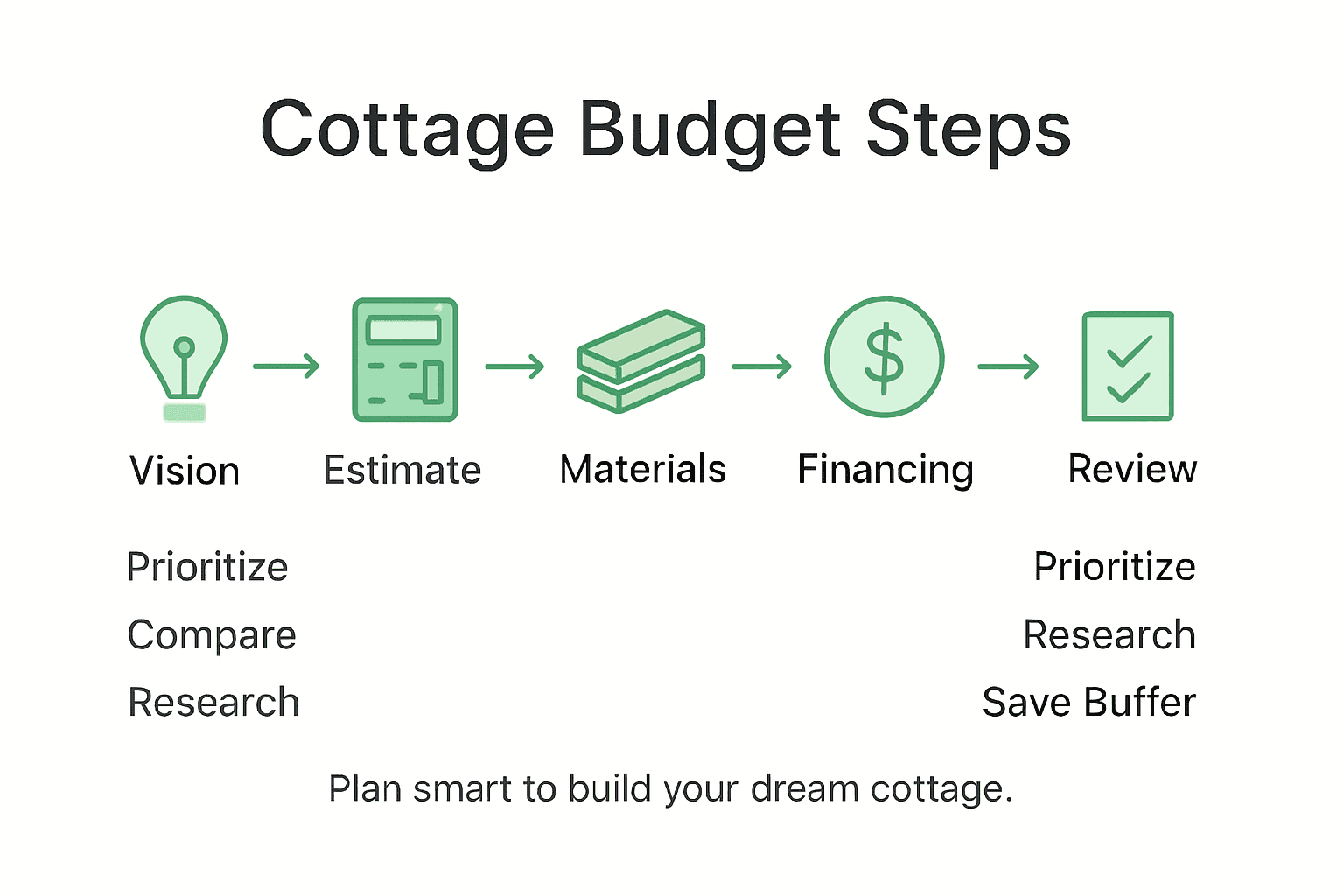 Construction budget planning for custom homes involves understanding how construction grades impact overall project costs. Different quality levels ranging from standard to luxury directly influence material selections, workmanship standards, and finishing details. Carefully evaluate each budget category with your builder, comparing line items against current market rates and your specific design requirements. Consider requesting a detailed cost breakdown that categorises expenses into foundational elements, structural components, finishing materials, labour, and potential site specific challenges. Engage multiple professionals to cross-validate your budget projections. Schedule meetings with your builder, financial advisor, and potentially an independent construction cost estimator to scrutinise every financial aspect. Review historical data from similar cottage projects in your region, accounting for seasonal variations and local building constraints. Confirm that your contingency fund adequately covers potential unexpected expenses while maintaining flexibility for design refinements or unforeseen site conditions. Professional advice: Create a dynamic budget spreadsheet that allows real-time tracking and adjustment, enabling you to monitor expenses throughout the construction process and make informed financial decisions.
Secure Your Dream Custom Cottage Budget with Expert Guidance
Budgeting for a custom cottage can be complex and overwhelming, especially when facing challenges like estimating regional costs, selecting premium materials, and planning sustainable features. This guide highlights key goals such as establishing a realistic budget, accounting for contingencies, and matching your vision to your financial means. At Mighton Construction, we understand how critical it is to align every design detail and financing option with your lifestyle priorities and long-term plans.  Explore our expertise in luxury cottage and custom home building by visiting our Custom Home Archives to see how we bring personalized visions to life within budget. Our team manages every step from design consultation to construction completion, ensuring transparent communication and craftsmanship you can trust. Ready to transform your cottage budgeting ideas into reality? Contact us today via mightonconstruction.com for a detailed consultation and start planning a custom home that fits your dreams and finances perfectly. For insights on bringing your vision into shape consider also browsing our Design Archives and learn how thoughtful planning makes all the difference.
Frequently Asked Questions
What is the first step in budgeting for a custom cottage?
Start by assessing your cottage vision and priorities. Identify how you plan to use the cottage and document your family’s needs, preferences, and rankings for features on a detailed list.
How can I estimate the costs associated with building a custom cottage?
Estimate costs by gathering comprehensive quotes from at least three local builders. Ensure these quotes break down expenses into clear categories, such as site preparation, structural materials, and permits, to create a realistic budget.
What are some premium materials and sustainable features I should consider?
Consider investing in features like triple-pane windows, solar power systems, and advanced insulation to enhance efficiency and value. Consult with your builder about the long-term benefits of these materials and choose options that fit your budget and sustainability goals.
How much should I allocate for unexpected expenses in my budget?
It’s recommended to allocate an additional 10 to 15 percent of your total budget for contingency purposes. This buffer will help manage unforeseen construction challenges or design modifications.
What financing options are available for custom cottage construction?
Explore various financing methods including conventional mortgages, construction loans, and home equity lines of credit. Review the specific requirements for each option and determine which best suits your type of cottage and financial situation.
How can I ensure my budget remains accurate throughout the cottage building process?
Verify your budget by engaging with multiple professionals, including your builder and financial advisor, to validate projections. Create a dynamic budget spreadsheet to track expenses in real-time and adjust as necessary throughout the construction process.