
Expert Guide to ICF Foundations for Custom Homes
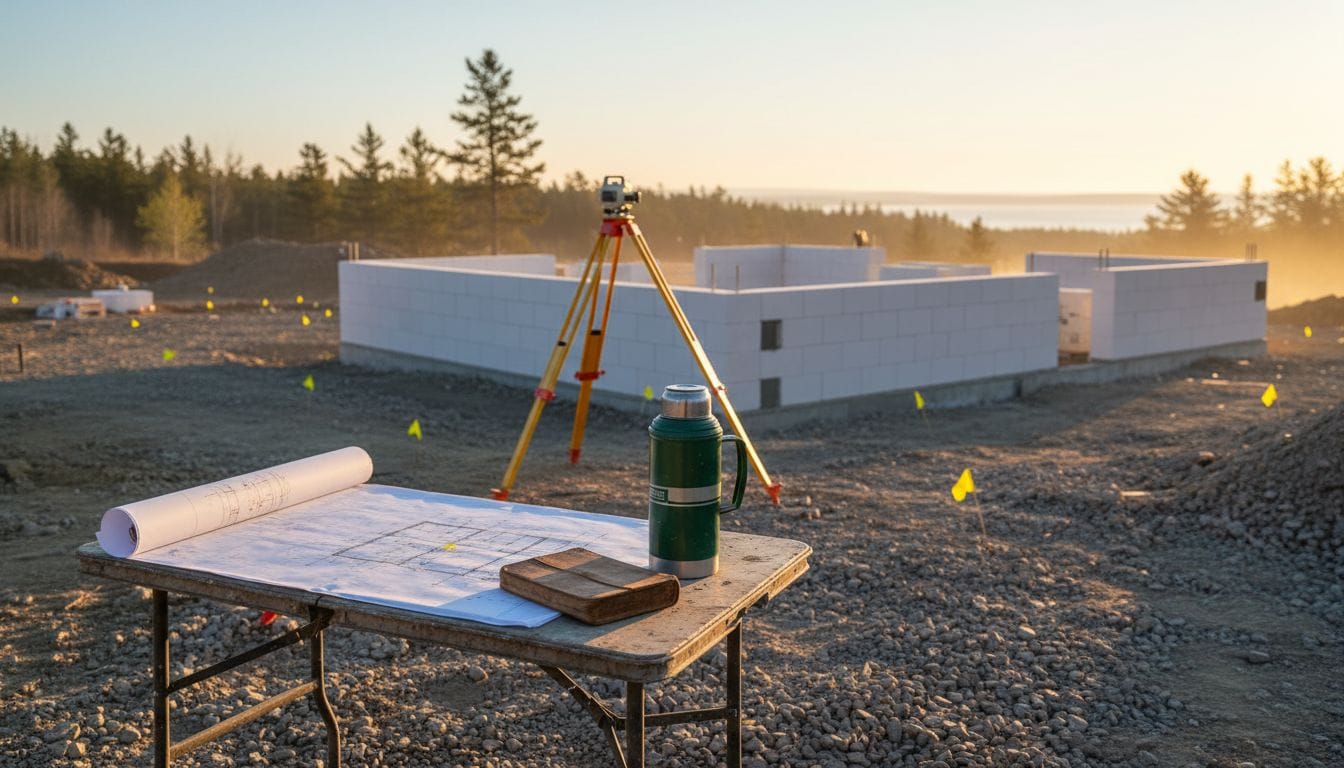
Luxury home construction in South Georgian Bay demands precision, and choosing the right foundation method sets the stage for lasting value. Canadian building codes prioritize structural integrity, energy efficiency, and protection against environmental extremes, making Insulated Concrete Form foundations a standout choice. ICF foundations can cut energy costs by up to 60 percent compared to traditional builds. This guide walks high-end homeowners and developers through each key step of site assessment and tailored foundation planning, ensuring your project starts from a position of strength.
Table of Contents
- Step 1: Assess Site And Develop Foundation Plan
- Step 2: Prepare And Level Building Area
- Step 3: Install ICF Forms And Reinforcement
- Step 4: Pour Concrete And Ensure Proper Curing
- Step 5: Inspect ICF Foundation For Quality Assurance
Quick Summary
Key Point
Explanation
1. Conduct a Thorough Site Assessment
Assessing soil type, water table, and drainage patterns is vital for optimal foundation design.
2. Prepare the Building Area Carefully
Remove debris and use laser levelling for a clean, stable surface before foundation installation.
3. Install ICF Forms with Precision
Proper alignment and securing of ICF forms ensure structural integrity and support during pouring.
4. Monitor Concrete Pouring and Curing
Controlled pouring methods and careful curing conditions are essential for long-term foundation strength.
5. Perform a Comprehensive Inspection
Inspecting for alignment and potential defects helps avoid costly issues later in the construction process.
Step 1: Assess Site and Develop Foundation Plan
Building an ICF foundation begins with a comprehensive site assessment to determine the optimal foundation strategy for your custom home. This critical first step helps you understand the unique geological and environmental conditions that will impact your foundation design.
Carefully evaluate your property’s topography, soil composition, drainage patterns, and potential environmental challenges. Why ICF Foundation Benefits Matter for Custom Homes can provide deeper insights into these considerations. Professional geotechnical testing will reveal crucial information about ground stability, bearing capacity, and potential subsurface issues that could affect foundation performance. Key factors to examine include soil type (clay, sandy, loam), water table levels, slope grade, bedrock depth, and potential seismic or frost heave risks specific to the South Georgian Bay region.
Once you have comprehensive site data, work with a structural engineer to develop a precise foundation plan tailored to your specific terrain and home design. This plan will outline foundation dimensions, reinforcement requirements, insulation strategies, and potential waterproofing solutions that ensure long term structural integrity.
Here is a summary of key site assessment factors and their impact on ICF foundation design:
Site Factor
Why It Matters for ICF Foundations
Typical Considerations in South Georgian Bay
Soil Type
Affects bearing capacity and stability
Prevalence of clay, sandy, or loam soils
Water Table Level
Influences drainage and waterproofing needs
Potential for high or fluctuating water
Slope Grade
Dictates foundation depth and drainage
Rolling terrain and steep grades
Bedrock Depth
Determines excavation approach
Can impact foundation cost and feasibility
Seismic/Frost Risk
Requires specific reinforcement strategies
Significant frost heave and minor seismic
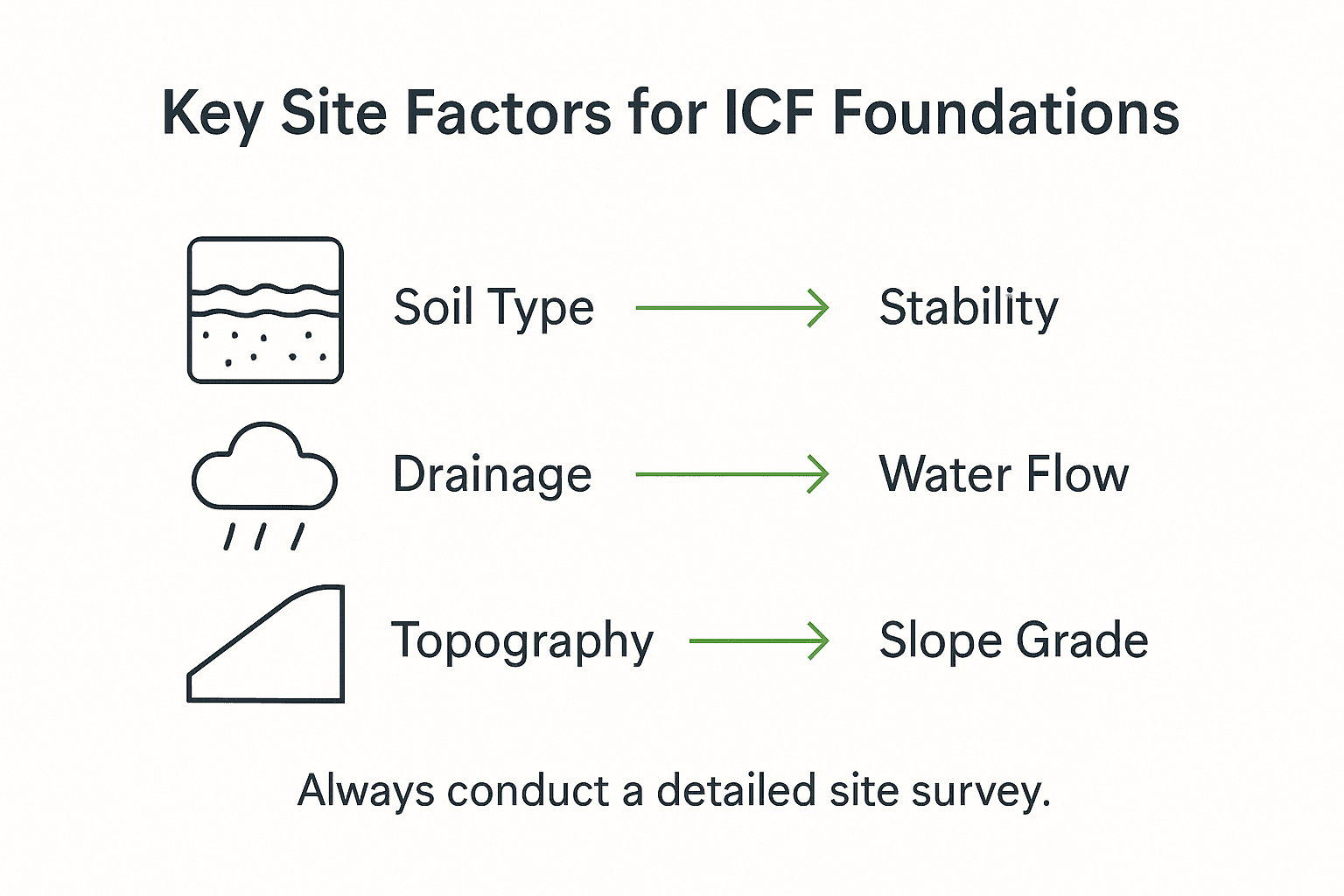
Pro tip: Always conduct a thorough site survey during early morning or late afternoon when ground moisture and lighting conditions provide the most accurate geological assessment.
The following table compares traditional concrete foundations and ICF foundations for custom home projects:
Feature
Traditional Foundations
ICF Foundations
Insulation Value
Low, additional insulation required
High, built-in insulation
Installation Time
Longer, multiple steps needed
Faster, modular block system
Energy Efficiency
Moderate, thermal bridging
Superior, reduced heat loss
Soundproofing
Limited noise reduction
Excellent sound dampening
Labour Requirements
Higher, skilled formwork labour
Lower, fewer workers needed
Step 2: Prepare and Level Building Area
Preparing and levelling the building area is a critical step in establishing a solid foundation for your ICF custom home. This phase sets the groundwork for a precise and stable construction process that will support your entire structure.
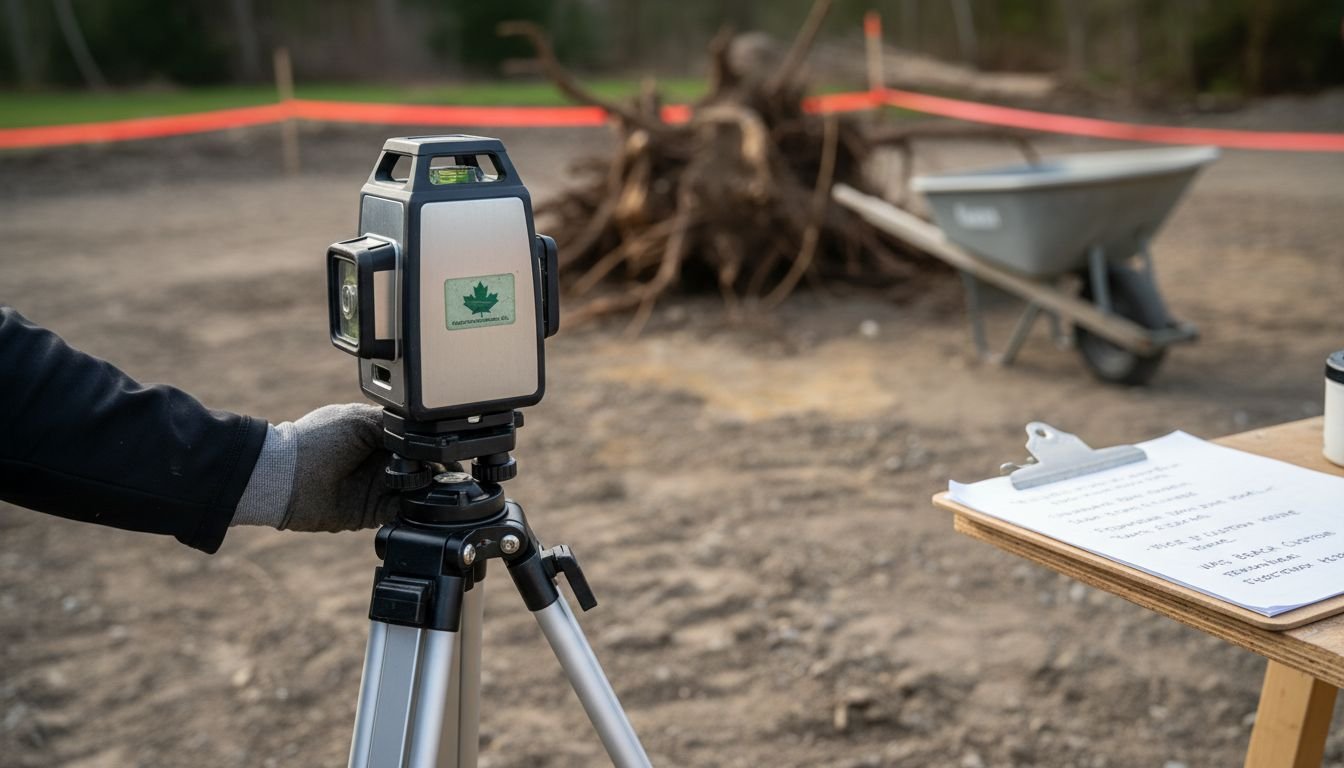
Sustainable site preparation techniques in Ontario begin with thorough land clearing and careful excavation. Remove all vegetation, rocks, and debris from the designated building site, ensuring a clean and level surface. Professional surveyors will use advanced laser levelling equipment to establish precise grade lines and elevation markers. Pay special attention to drainage patterns and potential water runoff areas to prevent future foundation issues. In the South Georgian Bay region, this means accounting for local terrain variations and potential seasonal water movements.
Excavation requires meticulous planning to match your specific foundation design. Dig to the exact depths required for your ICF foundation, typically accounting for local frost lines and soil conditions. Create a stable base with proper compaction, using mechanical compactors to ensure uniform ground density. Verify measurements multiple times and use string lines or professional surveying equipment to maintain perfect alignment and levelness across the entire building footprint.
Pro tip: Rent professional grade laser levelling equipment and take multiple measurements from different angles to guarantee absolute precision in your site preparation.
Step 3: Install ICF Forms and Reinforcement
Installing insulated concrete forms (ICF) and steel reinforcement represents a precision engineering process that transforms your foundation blueprint into a solid structural framework. This critical stage requires careful alignment and meticulous attention to detail to ensure your custom home’s long term stability.
Ontario ICF foundation installation techniques involve systematically stacking interlocking expanded polystyrene foam blocks to create your foundation walls. Begin by carefully positioning the first course of forms directly on your prepared foundation base, ensuring perfect horizontal alignment using professional laser levels and string lines. Each foam block interlocks with adjacent blocks creating a uniform wall structure that will ultimately provide superior insulation and structural integrity. Pay close attention to engineering specifications for vertical and horizontal rebar placement some sections may require additional steel reinforcement depending on your specific design and local building codes.
As you progress with form installation verify consistent spacing and ensure all connections are secure. Brace the forms externally to maintain precise alignment and prevent potential movement during concrete pouring. Professional installers recommend using specialized ICF form ties and temporary bracing systems that keep walls perfectly straight and plumb. Take multiple measurements from different angles to confirm dimensional accuracy before proceeding to the concrete pour stage.
Pro tip: Rent professional ICF installation alignment tools and spend extra time verifying measurements to prevent costly structural adjustments later in the construction process.
Step 4: Pour Concrete and Ensure Proper Curing
Pouring concrete into ICF forms represents a critical moment in your foundation construction that demands precision strategic planning and expert execution. This stage will transform your carefully prepared forms into a solid structural foundation for your custom home.
Concrete pouring techniques for ICF foundations in Ontario require methodical layered placement to prevent excessive pressure on foam forms. Work with professional concrete pumping services to control pour rates and maintain consistent flow. Use industrial vibrators to systematically remove air pockets and ensure complete settling throughout the wall sections. Professionals recommend pouring in controlled lifts typically 4 to 5 feet high allowing each layer to partially set before adding the next section. This approach minimizes potential form blowout risks and guarantees uniform concrete distribution across your entire foundation wall.
Curing represents an equally critical phase that demands careful environmental monitoring. Protect your fresh concrete from rapid temperature fluctuations common in South Georgian Bay by implementing strategic moisture retention techniques. Cover the poured walls with protective sheeting and maintain consistent humidity levels. Monitor ambient temperatures to ensure optimal curing conditions avoiding extreme heat or cold that could compromise concrete strength. Professional builders recommend maintaining concrete temperatures between 10 and 25 degrees Celsius and keeping the surface consistently moist for at least seven consecutive days.
Pro tip: Invest in professional concrete temperature and humidity monitoring equipment to track curing conditions precisely and prevent potential structural weaknesses.
Step 5: Inspect ICF Foundation for Quality Assurance
Inspecting your newly constructed ICF foundation represents the final critical quality control step that ensures your custom home starts on a rock solid structural base. This comprehensive evaluation will validate every aspect of your foundation installation and identify any potential issues before they become costly problems.
Comprehensive foundation assessment techniques require a methodical visual and technical examination. Begin with a detailed visual inspection checking for uniform concrete distribution precise vertical and horizontal alignments and verifying that foam forms remain intact without significant damage or displacement. Look for any signs of potential concrete settlement cracks uneven surfaces or areas where reinforcement might be exposed. Measure wall thickness and verify that rebar placement matches original engineering specifications using professional measurement tools.
Engage a certified structural engineer to conduct a comprehensive third party assessment. They will perform advanced diagnostic tests including ultrasound scanning to detect potential internal concrete voids acoustic testing to evaluate structural integrity and precision laser measurements to confirm dimensional accuracy. Professional inspectors will also assess waterproofing membrane integrity drainage system connections and overall foundation performance potential. Pay special attention to corners intersections and areas around potential penetration points like utility connections.
Pro tip: Request detailed photographic documentation during the inspection process and maintain a comprehensive written report for future reference and potential warranty claims.
Build Your Custom Home on a Strong ICF Foundation with Mighton Construction
Understanding the challenges of building a durable, energy-efficient ICF foundation is essential when creating your dream custom home in South Georgian Bay. From precise site assessment and levelling to expertly installing forms and ensuring proper curing, every step demands exacting craftsmanship. You want a foundation that stands the test of time while delivering superior insulation and soundproofing benefits.
At Mighton Construction, we specialize in luxury custom homes and robust ICF foundations tailored to your vision and local conditions. Backed by over 30 years of experience, our team manages every detail from initial planning through final inspection, ensuring your build is solid and energy efficient. Learn more about our expert approach in our ICF Construction Archives and explore our commitment to quality and innovation.

Ready to turn your ICF foundation project into reality with a trusted local partner? Visit Mighton Construction to start your consultation today. Discover how our comprehensive custom home services, including innovative insulation solutions, can protect your investment and enhance comfort. Find tailored options in your area such as custom homes in Wasaga Beach and beyond. Take the first step now toward a foundation built to last.
Frequently Asked Questions
What is the first step in building an ICF foundation for a custom home?
Building an ICF foundation begins with a comprehensive site assessment. Conduct a thorough evaluation of your property’s topography, soil composition, and drainage patterns to develop a foundation plan tailored to your specific terrain.
How do I ensure the proper levelling of the building area for an ICF foundation?
Preparing and levelling the building area involves land clearing and precise excavation. Use advanced laser levelling equipment to establish grade lines and compaction techniques to create a stable base, ensuring the area is clean and level before proceeding.
What are the key factors to consider when installing ICF forms and reinforcement?
When installing ICF forms, it’s essential to achieve precise alignment and spacing. Position the interlocking foam blocks accurately on the prepared base and ensure secure connections, following engineering specifications for rebar placement to maintain structural integrity.
How do I properly pour and cure concrete for an ICF foundation?
Pour concrete into ICF forms in controlled lifts to avoid excessive pressure on foam. Monitor temperature and humidity conditions during the curing phase, maintaining concrete temperatures between 10 and 25 degrees Celsius for at least seven consecutive days to strengthen the foundation.
What should I look for during the inspection of an ICF foundation?
Inspect for uniform concrete distribution, precise alignment, and any signs of damage to foam forms during your assessment. Engage a certified structural engineer for a comprehensive evaluation, utilizing advanced diagnostic tests to ensure overall foundation performance and integrity.
Recommended
- ICF Foundation: Why It Matters for Custom Homes
- 7 Key Benefits of ICF Foundations for Luxury Homes
- How to Build with ICF Foundations for Lasting Results
- Benefits of ICF Construction for Your Next Custom Home
- Why Hire Local Contractors for DFW Projects - Astrotech Construction
- Understanding the Benefits of a House with Insulation – WorkWearComfort