Design Build Process – Ensuring Seamless Custom Homes
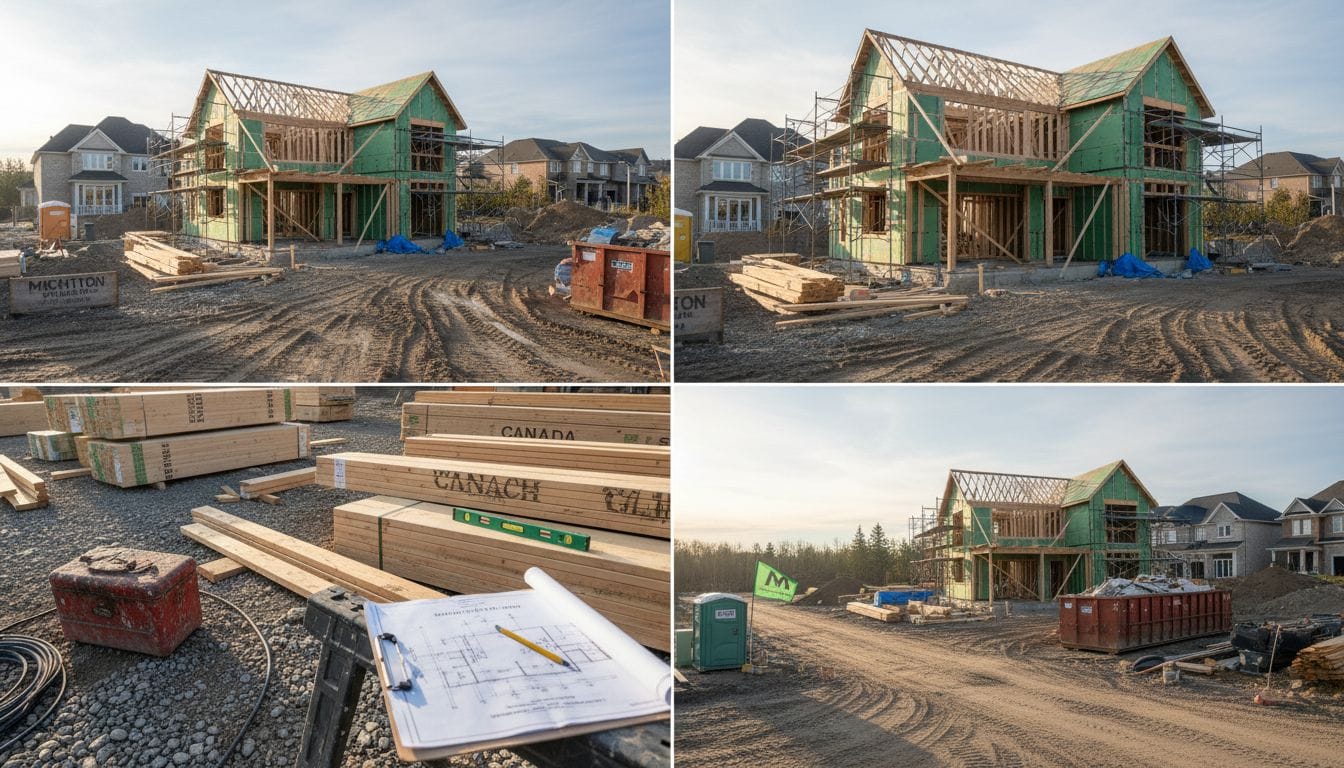
Building a luxury custom home in South Georgian Bay means balancing sophisticated vision with efficient project management. Many high-net-worth families encounter frustration with fragmented communication, unexpected delays, and overlooked details during traditional construction. Embracing the design-build model offers a unified approach where design and construction teams collaborate under a single contract, reducing complexity and creating space for seamless creativity. Discover how this Canadian process redefines the custom build journey, offering clarity, trust, and a truly tailored experience.
Table of Contents
- Defining The Design Build Process In Canada
- Key Steps In A Custom Home Project
- Roles And Responsibilities In Design Build
- Legal, Safety, And Permitting Requirements
- Typical Costs, Risks, And Common Pitfalls
Key Takeaways
Point
Details
Design-Build Model Benefits
The design-build process promotes collaboration and efficiency by integrating design and construction teams under a single contract.
Custom Home Project Stages
Successful custom home construction involves multiple critical stages, from site selection to ongoing communication and quality control.
Roles in Design Build
In the design-build model, a unified team with clearly defined roles ensures comprehensive accountability and streamlined project management.
Financial Management and Risk Mitigation
Proactive financial planning and contingency budgeting are essential for addressing potential challenges in custom home construction.
Defining the Design Build Process in Canada
The design-build process represents a transformative approach to construction in Canada, offering a streamlined method for creating custom homes that prioritizes collaboration and efficiency. Unlike traditional construction models, this integrated approach brings design and construction teams together under a single contract, enabling smoother project execution and enhanced communication.
At its core, the design-build process fundamentally shifts how construction projects are managed in Canada. One entity assumes complete responsibility for both architectural design and construction, eliminating the fragmentation common in conventional building methods. This model promotes direct collaboration between architects, engineers, and builders from the project’s initial conceptualization through final completion.
The Canadian construction landscape has increasingly embraced this approach, particularly for complex residential and commercial projects. Progressive design-build models enable greater technological innovation and more flexible risk management. Key advantages include reduced project timelines, improved cost control, and enhanced problem-solving capabilities throughout the construction journey.
By integrating design and construction expertise, homeowners benefit from a more transparent, efficient process that minimizes potential miscommunications and reduces overall project complexity. The unified workflow allows for real-time adjustments, collaborative decision-making, and a more holistic approach to creating custom living spaces.
The following table summarises the main differences between design-build and traditional construction models in Canada:
Aspect
Design-Build Model
Traditional Model
Contract Structure
Single consolidated
Separate design and build
Team Collaboration
Unified, continuous
Fragmented, sequential
Communication
Direct, real-time
Indirect, prone to delays
Accountability
Single entity
Multiple parties
Flexibility
High, with rapid changes
Lower, changes bring delays
Pro tip: When selecting a design-build firm, prioritize teams with proven track records of seamless collaboration and comprehensive project management experience.
Key Steps in a Custom Home Project
Custom home projects require a strategic and comprehensive approach that transforms architectural vision into tangible living spaces. Successful custom home construction demands careful navigation through multiple critical stages, each designed to ensure precision, quality, and client satisfaction.
The initial phase involves comprehensive site selection and preliminary assessment. Architects and builders collaborate to evaluate the property’s unique characteristics, including topography, soil conditions, municipal zoning regulations, and environmental considerations. During this stage, homeowners work closely with design professionals to develop a preliminary concept that aligns with their lifestyle, aesthetic preferences, and functional requirements.
Design-build methodologies typically follow a structured progression that includes key milestones:
- Initial consultation and site evaluation
- Schematic design development
- Preliminary budget estimation
- Detailed design refinement
- Contract and scope finalization
- Construction implementation
- Ongoing communication and quality control
The middle stages of the project focus on detailed design refinement and precise budgeting. This involves creating comprehensive architectural drawings, selecting materials, determining structural specifications, and developing a detailed cost projection. Homeowners collaborate with designers to make critical decisions about interior layouts, exterior aesthetics, sustainable technologies, and specific customization elements that will make their home unique.
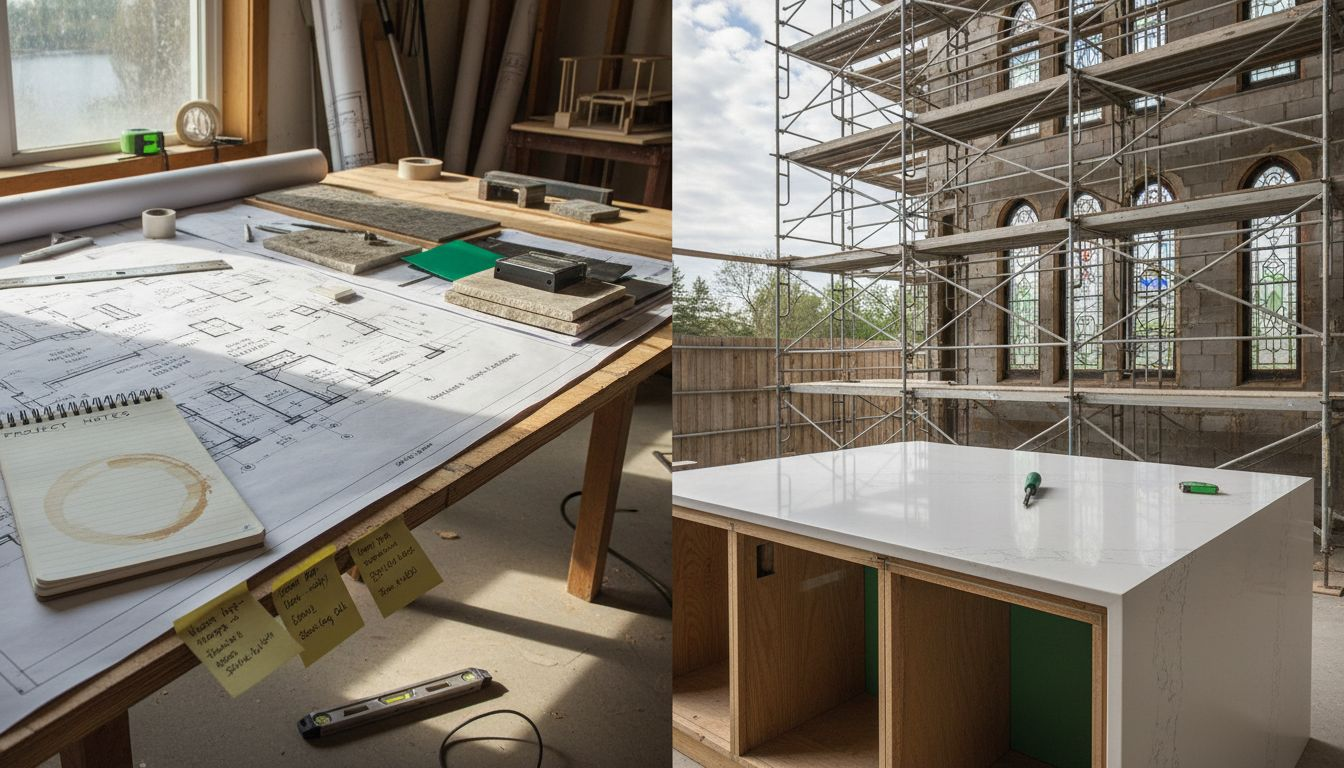
Pro tip: Maintain open and frequent communication with your design-build team throughout the project to ensure your vision is accurately translated into reality.
Roles and Responsibilities in Design Build
The design-build model fundamentally transforms traditional construction dynamics by establishing a unified approach to project management. Single point of responsibility becomes the cornerstone of this collaborative methodology, where one entity assumes comprehensive accountability for both design and construction processes.
Key participants in the design-build approach include several critical roles that work interconnectedly:
- Project owner
- Design-build firm
- Architects and designers
- Engineering specialists
- Subcontractors
- Project managers
- Site supervisors
Progressive design-build methodologies emphasize early collaboration and shared responsibilities. The design-builder acts as the primary coordinator, managing intricate relationships between design professionals, construction teams, and the project owner. This approach requires exceptional communication skills, technical expertise, and strategic problem-solving capabilities to navigate complex project requirements and deliver cohesive results.
Each team member brings specialized expertise to the project, with clearly defined responsibilities that support the overall project vision. Architects develop comprehensive design concepts, engineers ensure structural integrity and compliance with building codes, subcontractors execute specific technical tasks, and project managers maintain overall project alignment and timely progression.
Pro tip: Establish clear communication channels and documented expectations for each team member to minimize potential misunderstandings and streamline project execution.
Legal, Safety, and Permitting Requirements
Custom home construction in Canada involves complex legal and regulatory frameworks that demand meticulous attention to detail and proactive compliance management. Homeowners and design-build teams must navigate a multilayered landscape of provincial, municipal, and local regulations that govern every aspect of residential construction.
Key legal and safety considerations for custom home projects include:
- Zoning bylaws and land use regulations
- Building code compliance
- Environmental protection requirements
- Workplace safety standards
- Insurance and liability protections
- Contractual risk allocation
- Permit application and approval processes
Design-build best practices emphasize early and comprehensive coordination of regulatory requirements. This approach involves thorough documentation, transparent communication, and strategic planning to mitigate potential legal risks. Each jurisdiction in Canada may have unique requirements, making it essential to work with local experts who understand specific regional regulations.
The permitting process typically involves multiple stages of review and approval. Municipal authorities carefully examine submitted plans to ensure they meet structural safety standards, environmental regulations, and community development guidelines. Design-build teams must prepare detailed documentation, including architectural drawings, environmental impact assessments, and comprehensive safety plans to successfully navigate these complex approval processes.
Pro tip: Engage a local legal consultant specializing in construction law early in your project to identify and address potential regulatory challenges before they become costly obstacles.
Typical Costs, Risks, and Common Pitfalls
Custom home construction involves significant financial investment and strategic planning. Design-build project costs can vary widely, with initial expenses potentially higher due to comprehensive upfront collaboration, but ultimately offering more predictable long-term financial outcomes.
Typical cost components and financial considerations include:
- Design and architectural fees
- Material procurement expenses
- Labour costs
- Permit and regulatory compliance charges
- Site preparation and infrastructure development
- Contingency budget for unexpected challenges
- Technology and sustainable infrastructure investments
Risk management strategies are critical in mitigating potential project complications. Common pitfalls in custom home construction often stem from inadequate initial planning, communication breakdowns, and underestimating the complexity of integrating design and construction processes. Homeowners should anticipate potential challenges such as site condition variations, material price fluctuations, and unexpected regulatory requirements.
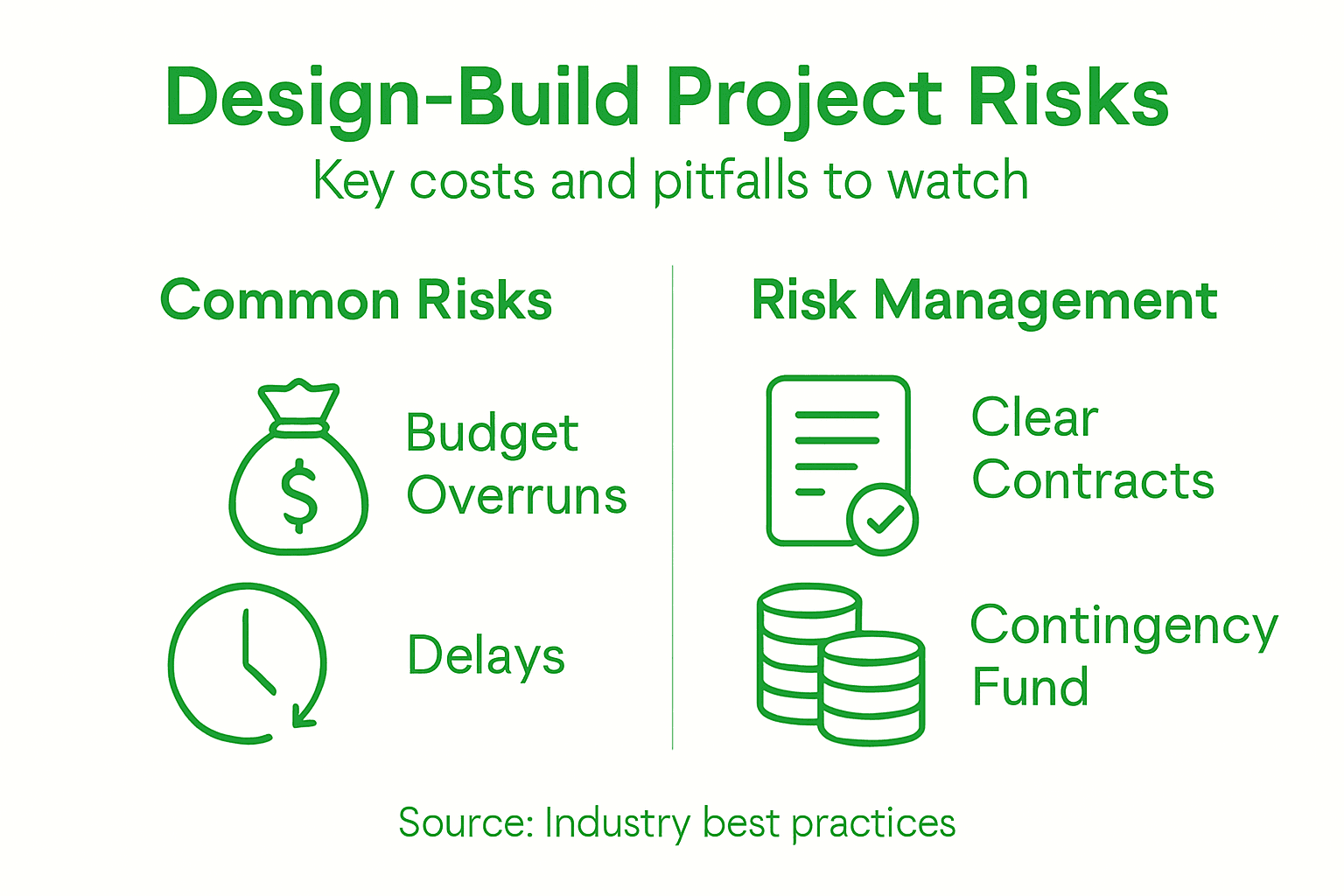
Successful project management requires proactive financial planning, transparent communication, and flexibility. Establishing a comprehensive contingency budget, maintaining open dialogue with your design-build team, and conducting thorough site assessments can significantly reduce financial risks and minimize unexpected expenses throughout the construction process.
Here is a reference table outlining common risks in custom home construction and effective mitigation strategies:
Risk Description
Example Challenge
Mitigation Strategy
Site condition changes
Unexpected soil issues
Pre-construction site analysis
Material cost volatility
Price surges for lumber or steel
Negotiate fixed-price contracts
Regulatory delays
Slow permit approvals
Early engagement with authorities
Design changes
Client adjustments mid-project
Clear scope definition, regular reviews
Pro tip: Allocate at least 15-20% of your total project budget as a contingency fund to address unforeseen challenges and maintain financial stability.
Experience Seamless Custom Home Building with Mighton Construction
Navigating the design-build process means managing complex communication and integrating multiple expert roles under one roof. If your goal is to avoid delays, miscommunications, and costly design changes, then partnering with a trusted team who understands the importance of unified project management is critical. At Mighton Construction, we specialise in luxury custom homes that bring your vision to life with transparent communication and expert craftsmanship throughout South Georgian Bay.
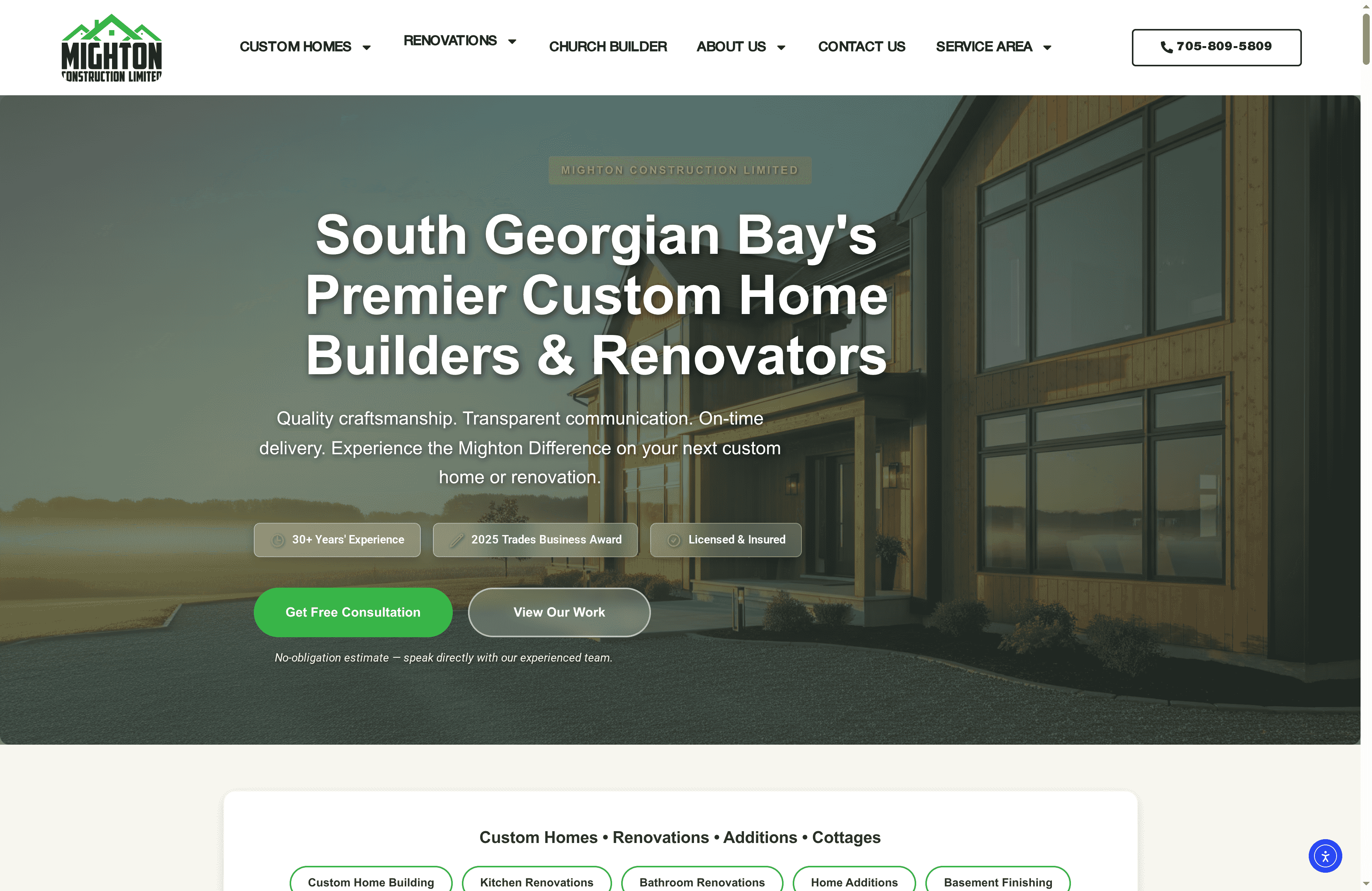
Discover how our comprehensive approach to custom home construction reduces complexity and streamlines your entire project timeline. Explore our Custom Home Archives to see examples of flawless execution and commitment to quality. Ready to build with confidence and enjoy a truly turn-key experience that honours your unique lifestyle? Visit Mighton Construction today and start the conversation to bring your dream home to reality.
Frequently Asked Questions
What is the design-build process?
The design-build process is an integrated approach to construction where a single entity is responsible for both the design and construction of a project, promoting collaboration and efficiency.
What are the advantages of choosing a design-build model for custom homes?
The design-build model offers several advantages, including reduced project timelines, improved cost control, enhanced communication, and a more streamlined decision-making process throughout the project.
How can I ensure my design-build project stays on budget?
To ensure your project stays on budget, maintain open communication with your design-build team, establish a detailed budget at the outset, and allocate a contingency fund of 15-20% to manage unexpected costs.
What roles are involved in the design-build process?
Key roles in the design-build process include the project owner, design-build firm, architects, engineering specialists, subcontractors, project managers, and site supervisors, all of whom work together for cohesive project execution.