
8 Essential Steps for Your Custom Home Checklist Success
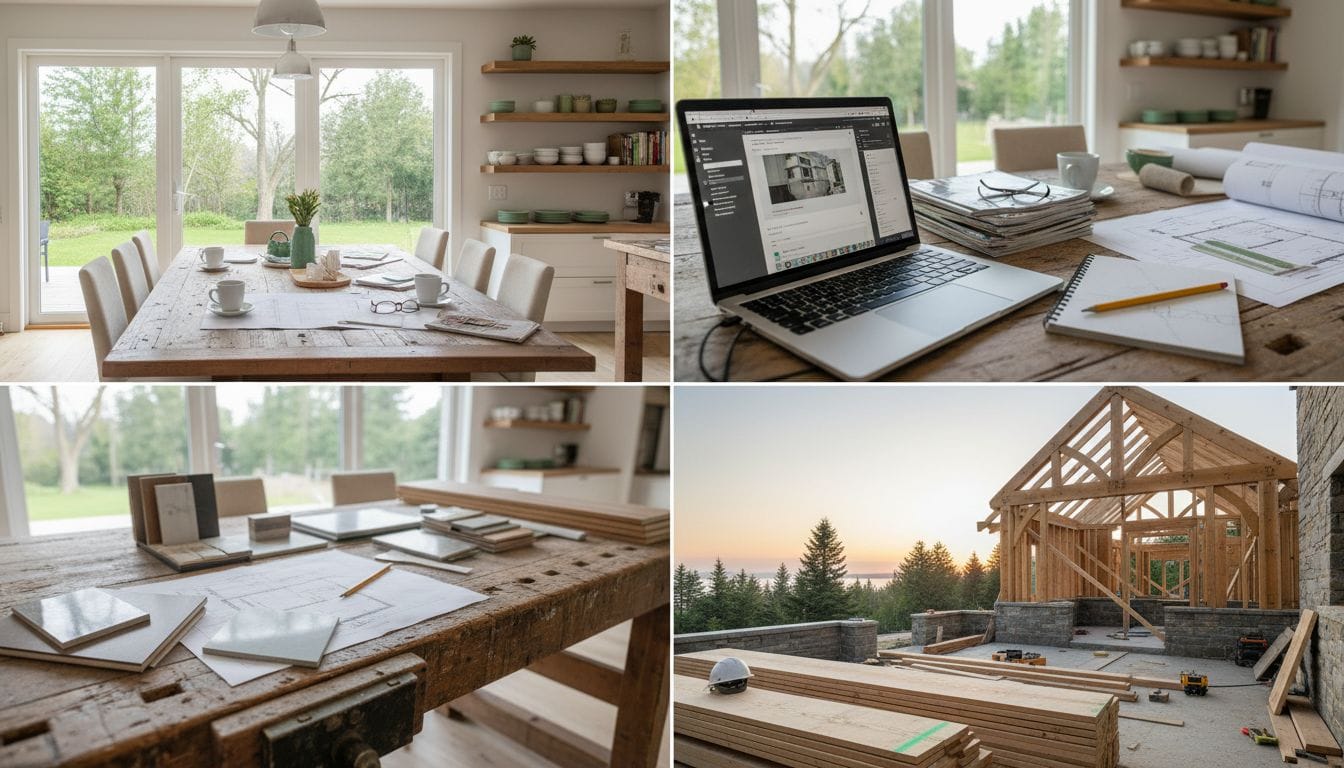
Most Canadian homeowners dream of a space that fits their unique lifestyle, yet nearly 60 percent say designing a custom home feels intimidating. Creating your own living space is a rare opportunity to shape every detail for comfort, function, and personal taste. This clear and practical guide will walk you through each step, from vision and budgeting to builder selection and smart design choices tailored to Canadian needs.
Table of Contents
- 1. Define Your Vision And Wishlist
- 2. Set A Realistic Budget And Timeline
- 3. Choose The Right Builder And Team
- 4. Understand Permits And Local Regulations
- 5. Design For Lifestyle And Function
- 6. Select Premium Materials And Finishes
- 7. Plan For Energy Efficiency And Sustainability
- 8. Schedule Inspections And Quality Assurance
Quick Summary
Key Insight
Explanation
1. Define Your Vision and Wishlist
Begin with a clear vision and detailed wishlist to guide your custom home decisions.
2. Establish a Realistic Budget
Create a comprehensive budget that includes all costs and build in financial flexibility for surprises.
3. Choose an Experienced Builder
Select a builder with proven qualifications and a strong communication style to ensure your vision is realized.
4. Understand Local Regulations
Research necessary permits and regulations specific to your area to avoid delays in construction.
5. Focus on Energy Efficiency
Prioritize sustainable design and energy efficiency in your home to reduce environmental impact and long-term costs.
1. Define Your Vision and Wishlist
Creating your custom home begins with a crystal clear vision of your dream living space. Your wishlist is more than just a collection of desires it is the foundational blueprint that will guide every decision throughout your home building journey.
Building a custom home requires deep introspection about how you want to live and what truly matters to you. The Developmental Services of Ontario Housing Toolkit emphasises that developing a clear vision involves identifying your hopes, dreams, and essential living requirements.
Start by asking yourself critical questions: Who will be living in this home? What are your daily routines? How do you envision using each space? Consider factors like family size, potential future needs, entertainment preferences, work requirements, and lifestyle goals. Write down everything, from big picture desires to specific details like natural light preferences, storage needs, and room functionality.
Your wishlist should be comprehensive yet flexible. Break it down into three categories:
Must-Have Elements:
- Number of bedrooms and bathrooms
- Specific room requirements
- Accessibility features
- Essential square footage
Nice-to-Have Features:
- Open concept living areas
- Special amenities like home office or gym
- Unique architectural details
- Extra storage spaces
Future-Thinking Considerations:
- Potential family growth
- Aging in place modifications
- Energy efficiency capabilities
- Potential resale value
Remember that your vision will serve as a roadmap for architects, designers, and builders. The more precise and thoughtful your wishlist, the more accurately your custom home will reflect your unique lifestyle and aspirations.
2. Set a Realistic Budget and Timeline
Successful custom home projects demand meticulous financial planning and realistic scheduling. Understanding the true scope of your investment will prevent costly surprises and ensure a smooth building experience.
Custom home construction timelines in Canada typically span 12 to 18 months for construction alone, with the entire process potentially extending to 2.5 years. This significant timeframe requires comprehensive financial preparation and strategic budgeting.
When establishing your budget, comprehensive cost allocation is crucial. Your financial plan must account for multiple stages:
Budget Breakdown Categories:
- Land acquisition costs
- Architectural design and planning fees
- Construction materials and labour
- Interior finishes and fixtures
- Landscaping expenses
- Permits and legal documentation
- Critical Contingency Fund (10-15% of total budget)
Timeline Considerations:
- Architectural design: 2-4 months
- Permit approvals: 1-3 months
- Site preparation: 1-2 months
- Construction: 12-18 months
- Final inspections and finishing: 2-3 months
Prioritize your must-have elements over luxury additions. This approach helps maintain financial discipline while ensuring your core requirements are met. Build flexibility into both your budget and timeline to accommodate unexpected challenges or design modifications.
Remember that thorough planning reduces stress and prevents financial strain. Consult with experienced custom home builders who can provide realistic estimates and guide you through each budgetary and scheduling phase.
3. Choose the Right Builder and Team
Selecting the perfect builder and professional team is arguably the most critical decision in your custom home journey. Your chosen team will transform your dreams into tangible reality, making their expertise, communication skills, and track record paramount.
Key Team Members to Evaluate:
- Custom home builder
- Architect
- Interior designer
- Project manager
- Landscape designer
When exploring potential builders, thoroughly investigate their credentials and past project portfolios. Look beyond glossy marketing materials and dig deep into their actual performance history.
Evaluation Criteria for Builders: Professional Qualifications:
- Verified licences and certifications
- Years of local construction experience
- Specialisation in custom home building
- Established reputation in South Georgian Bay region
Communication and Compatibility:
- Transparent communication style
- Willingness to understand your vision
- Responsiveness to questions and concerns
- Ability to provide detailed project explanations
Financial and Legal Considerations:
- Comprehensive written contracts
- Clear payment milestone structures
- Detailed project timeline commitments
- Appropriate insurance coverage
- Warranty offerings
Schedule in-person consultations with potential builders. These meetings reveal crucial insights about their working style, problem solving abilities, and genuine interest in bringing your unique vision to life. Ask pointed questions about their approach to custom home construction, challenge resolution, and client collaboration.
Remember that your builder is more than a service provider they are your strategic partner in creating a home that reflects your lifestyle, aesthetic preferences, and long term needs. Choose wisely.
4. Understand Permits and Local Regulations
Navigating the complex landscape of local building permits and regulations can feel overwhelming, but understanding these requirements is crucial for a smooth custom home construction process. Each municipality has unique guidelines that will directly impact your building plans.
Local construction regulations involve specific rules and compliance standards that must be meticulously followed throughout your project. These regulations are designed to ensure safety, maintain community standards, and protect property values.
Key Permit Categories to Consider:
- Building permits
- Zoning compliance documentation
- Environmental impact assessments
- Structural engineering approvals
- Electrical and plumbing system permits
- Septic system authorisations
Regulatory Compliance Steps: Research Requirements:
- Contact local municipal planning department
- Request comprehensive permit information
- Understand specific regional building codes
- Review zoning restrictions for your property
Documentation Preparation:
- Detailed architectural drawings
- Site survey plans
- Property boundary specifications
- Comprehensive construction blueprints
- Energy efficiency compliance documents
Budget Considerations:
- Permit application fees
- Potential inspection costs
- Engineering review expenses
- Potential mandatory upgrades
Consult with your chosen builder about navigating local regulatory requirements. Experienced professionals understand municipal nuances and can help streamline the permitting process, preventing potential delays or costly modifications.
Remember that permit requirements are not bureaucratic obstacles but protective measures ensuring your custom home meets safety, environmental, and community standards. Patience and thorough preparation will serve you well in this critical phase of your home building journey.
5. Design for Lifestyle and Function
Your custom home should be more than a beautiful structure it must be a living, breathing extension of your daily life. Successful design transcends aesthetics by creating spaces that seamlessly support your unique routines, aspirations, and personal rhythms.
Lifestyle Design Considerations: Personal Workflow Elements:
- Home office requirements
- Remote work infrastructure
- Technology integration zones
- Quiet focus areas
- Collaborative spaces
Family Dynamics Zones:
- Multigenerational living spaces
- Shared activity areas
- Private retreats
- Flexible room configurations
- Accessibility design features
Functional Space Planning: Storage Solutions:
- Custom built in cabinetry
- Multipurpose storage zones
- Organized garage spaces
- Kitchen pantry design
- Basement and attic optimization
Traffic Flow Optimization:
- Open concept considerations
- Intuitive room connections
- Natural movement pathways
- Minimizing bottleneck areas
- Strategic furniture placement
Important design questions to consider: How do you actually live? What activities define your daily experiences? Where do you work? How do you relax? Your answers will transform abstract blueprints into a personalised living environment.
Consider future adaptability. A well designed home anticipates changes in family structure, work patterns, and personal interests. Build flexibility into your design to accommodate potential shifts in lifestyle without major reconstructions.
Remember that truly exceptional homes are not just constructed they are carefully choreographed living spaces that enhance and simplify your everyday experiences.
6. Select Premium Materials and Finishes
The materials and finishes you select are the visual and tactile language of your custom home. They communicate your personal style while ensuring long term durability and performance across every living space.
Material Selection Principles: Durability Factors:
- Climate resistance
- Maintenance requirements
- Longevity performance
- Structural integrity
- Aesthetic sustainability
Quality Investment Categories:
- Flooring materials
- Countertop selections
- Exterior cladding
- Interior wall treatments
- Architectural details
Strategic Material Considerations: Performance Metrics:
- Thermal efficiency
- Moisture resistance
- Sound insulation
- Environmental sustainability
- Local sourcing potential
Luxury construction demands thoughtful material selection that balances aesthetic appeal with functional excellence. Your choices should reflect both immediate visual impact and long term performance standards.
Premium Material Recommendations: Flooring Options:
- Engineered hardwood
- Natural stone tiles
- High end laminate
- Ceramic and porcelain selections
- Sustainable bamboo materials
Countertop Selections:
- Quartz
- Granite
- Marble
- Solid surface composites
- Sustainable recycled materials
Consider each material as an investment rather than an expense. Premium selections might require higher initial costs but deliver superior performance and aesthetic value over decades. Your goal is creating a home that looks exceptional and performs brilliantly through changing seasons and family dynamics.
7. Plan for Energy Efficiency and Sustainability
Today’s custom homes are more than aesthetic spaces they are intelligent systems designed to minimise environmental impact while maximising comfort and performance. Sustainable design represents a forward thinking approach that benefits both homeowners and the broader ecosystem.
Energy Efficiency Strategies: Building Envelope Optimization:
- Superior insulation materials
- High performance window systems
- Airtight construction techniques
- Thermal bridge elimination
- Moisture management solutions
Renewable Energy Integration:
- Solar panel installations
- Geothermal heating systems
- Heat pump technologies
- Battery storage solutions
- Smart energy management interfaces
Sustainable Material Considerations: Eco Friendly Selections:
- Recycled building materials
- Low carbon concrete alternatives
- Sustainably harvested wood
- Local sourcing preferences
- Minimal waste construction approaches
Performance Monitoring Techniques:
- Energy consumption tracking
- Carbon footprint assessment
- Annual efficiency audits
- Continuous system optimization
- Smart home energy management platforms
Consider your home as a living system that interacts dynamically with its environment. Strategic design choices can dramatically reduce long term energy expenses while creating a comfortable living space that adapts to changing climate conditions.
Remember that sustainability is not just an environmental choice it is a smart financial investment that increases your property value and reduces ongoing operational costs. Your custom home can become a model of efficient living that demonstrates responsible design principles.
8. Schedule Inspections and Quality Assurance
Your custom home journey culminates in meticulous quality verification through strategic inspections that safeguard your investment. Comprehensive quality assurance transforms detailed blueprints into a structurally sound and precisely crafted living environment.
Inspection Phase Tracking: Pre Construction Assessments:
- Site geological evaluation
- Foundation readiness checks
- Property boundary confirmations
- Underground utility mapping
- Environmental impact assessments
Construction Stage Verifications:
- Framing structural integrity
- Electrical system compliance
- Plumbing network evaluation
- Insulation performance testing
- Mechanical systems validation
Construction timeline planning requires setting realistic milestones for each inspection phase. The custom home building process involves multiple critical verification points that ensure every aspect meets professional standards.
Quality Assurance Checkpoints: Mandatory Inspection Categories:
- Foundation pour verification
- Framing structural review
- Rough electrical assessment
- Plumbing rough in examination
- HVAC system installation check
- Insulation and vapour barrier validation
- Final occupancy certification
Documentation Requirements:
- Professional inspector credentials
- Detailed written reports
- Photographic evidence
- Compliance certification
- Recommended remediation steps
Prepare for each inspection by ensuring open communication with your builder and maintaining comprehensive project documentation. Proactive engagement helps identify potential issues early, preventing costly corrections and maintaining your project timeline.
Remember that quality assurance is not about finding faults but about collaboratively ensuring your custom home meets the highest standards of craftsmanship and safety.
Below is a comprehensive table summarizing the steps and strategies for building a custom home as discussed in the article.
Phase
Key Actions & Considerations
Benefits/Outcomes
Define Vision and Wishlist
Identify hopes, dreams, and essential living requirements. Create a detailed wishlist categorizing must-have elements, nice-to-have features, and future considerations.
Strong foundation for your design process that reflects lifestyle and needs.
Set Budget and Timeline
Allocate comprehensive costs for land, design, construction, and contingencies. Plan realistic timelines for each stage.
Prevents costly surprises and ensures a smooth building experience.
Choose Right Builder and Team
Evaluate credentials, communication, and compatibility of builders and design team. Secure comprehensive written contracts.
Ensures expertise and compatibility, transforming vision into reality effectively.
Understand Permits and Regulations
Research local guidelines, prepare detailed documentation, and budget for fees.
Ensures compliance, preventing delays and costly modifications.
Design for Lifestyle and Function
Prioritise personal workflow elements, family dynamics, and functional space planning.
Creates a harmonious living environment that supports daily life and future changes.
Select Premium Materials
Choose durable, aesthetically pleasing, and sustainable materials.
Ensures long-term performance and aesthetic value.
Plan for Energy Efficiency
Implement energy-saving strategies and assess renewable energy options.
Minimizes environmental impact and reduces long-term operational costs.
Schedule Inspections and Assurance
Conduct pre-construction and construction stage verifications. Prepare detailed documentation.
Safeguards investment, ensuring structural integrity and craftsmanship.
Take Control of Your Custom Home Journey with Expert Guidance
Building a custom home is a complex process filled with critical decisions from defining your vision to selecting premium materials and navigating permits. This article highlights the challenges many homeowners face such as budgeting realistically, choosing the right builder, and planning for energy efficiency. If these steps feel overwhelming, you are not alone. Key goals include creating a home tailored to your lifestyle while ensuring smooth project management and quality assurance.
At Mighton Construction, we specialise in transforming your unique dream into reality with over 30 years of expertise serving the South Georgian Bay region. Our transparent communication and meticulous craftsmanship address these very pain points. Whether you seek a luxury custom home, waterfront cottage, or precise renovations, we manage your project end to end. Discover how our experienced team can guide you through every step with trusted reliability.
Ready to simplify your custom home journey? Explore our Custom Home Archives for insights and inspiration, or visit our landing page to connect with a builder who understands your vision. Don’t wait to create a home designed for your life in Wasaga Beach, Collingwood, or beyond. Begin your consultation today at Mighton Construction and build with confidence.
Frequently Asked Questions
What should I include in my wishlist for a custom home?
Start by identifying your must-have elements, nice-to-have features, and future-thinking considerations. Create a comprehensive list that covers everything from the number of bedrooms to energy efficiency capabilities. This will guide your builders and ensure your new home meets your lifestyle needs.
How can I set a realistic budget for building a custom home?
Establish a comprehensive budget that includes land acquisition costs, construction materials, and a critical contingency fund. Allocate about 10-15% of your total budget for unexpected expenses; this will help you manage your finances effectively throughout the project.
What are the key steps in choosing the right builder for my custom home?
Evaluate potential builders based on their professional qualifications, communication style, and past project portfolios. Schedule in-person consultations to assess their compatibility with your vision and ask detailed questions about their construction approach and problem-solving strategies.
How do I navigate local regulations and permits for my custom home?
Research the specific permit requirements from your local municipal planning department to ensure compliance with building codes and zoning restrictions. Prepare necessary documentation such as architectural drawings and site surveys to facilitate a smooth permitting process.
What are the most important factors to consider in the design of my custom home?
Focus on creating spaces that support your daily routines and family dynamics, such as home offices or flexible room configurations. Think about future adaptability in your design to accommodate any changes in your lifestyle without needing major renovations.
How can I ensure quality assurance during the construction of my custom home?
Schedule thorough inspections at critical phases of the construction process to verify compliance with professional standards. Maintain open communication with your builder and keep detailed documentation of inspection findings to address potential issues early.
Recommended
- Custom Home Project Workflow: Step-by-Step Guide for Success
- How to Plan a Custom Home for Luxury Living Success
- Custom Cottage Design Workflow: A Step-by-Step Guide
- Custom Home Renovations Workflow for Premium Results
- 7 Essential Items for a Building Inspection Checklist - FloridaLicensedEngineers.com