
Custom Cottage Design Workflow: A Step-by-Step Guide
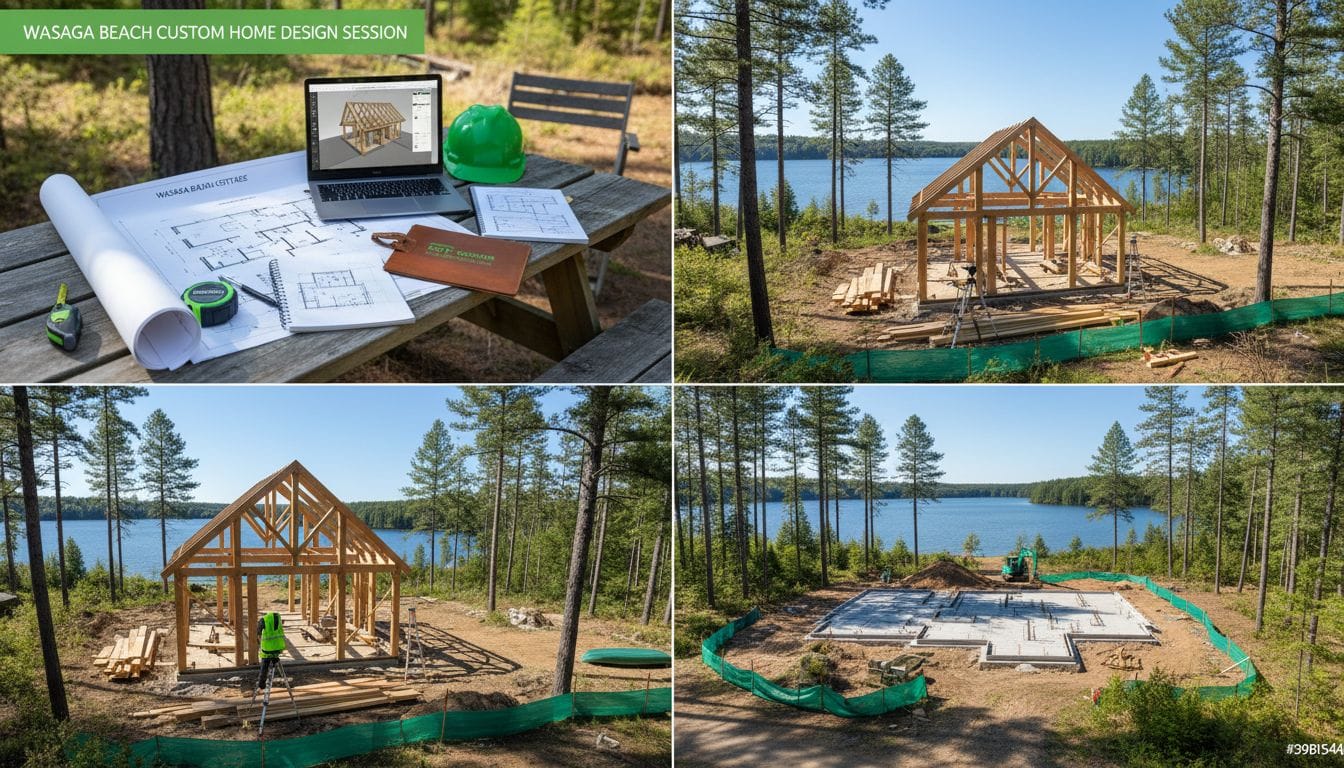
Building a custom Canadian cottage begins long before the first shovel hits the ground. Each decision shapes the comfort, safety, and value of your new retreat. Over 80 percent of Canadian homeowners say clear planning is the most important step for a successful build. Understanding what goes into the process sets you up to create a cottage that suits your needs, matches your style, and makes the most of your property.
Table of Contents
- Stage 1: Define Project Vision And Site Requirements
- Stage 2: Collaborate On Schematic And Floor Plans
- Stage 3: Select Materials And Refine Exterior Design
- Stage 4: Coordinate Municipal Permits And Compliance
- Stage 5: Oversee Build Execution And Quality Assurance
Quick Summary
Key Insight
Explanation
1. Conduct a thorough site assessment
Assess terrain, vegetation, and regulations to inform your design and construction plan effectively.
2. Collaborate closely with design professionals
Engage in design sessions to ensure your needs and aesthetic desires are accurately reflected in plans.
3. Choose materials carefully for exterior
Select materials that are durable, sustainable, and visually appealing, matching the local environment and your design style.
4. Understand municipal permitting requirements
Review local regulations and prepare detailed documents to secure the necessary approvals for your build.
5. Maintain quality assurance during construction
Regularly inspect the construction work to ensure it aligns with your approved plans and adheres to quality standards.
Stage 1: Define Project Vision and Site Requirements
Defining your custom cottage’s project vision and site requirements sets the foundation for a successful build. This crucial initial phase transforms your dream into a concrete plan that guides every subsequent decision in the construction process. Start by conducting a comprehensive site assessment of your property. Examine the terrain, natural features, soil conditions, and local building regulations that might impact your cottage design. Take detailed measurements of the land, noting slope, drainage patterns, sun exposure, and any existing vegetation or structures. Consider how these elements will influence your cottage’s placement, orientation, and overall architectural approach. Carefully document your vision through detailed sketches, mood boards, and written descriptions that capture both functional requirements and aesthetic preferences. Include specifics like desired room layouts, square footage, number of bedrooms and bathrooms, preferred architectural style, and must-have features like water views, outdoor living spaces, or specific accessibility needs. Work closely with your design team to translate these aspirations into a preliminary concept that respects the site’s unique characteristics.
Pro Tip: Invest time upfront in thorough site documentation and vision mapping to prevent costly redesigns or construction challenges later.
With your initial vision and site assessment complete, you’re now prepared to move forward to the next stage of developing detailed architectural plans for your dream cottage.
Stage 2: Collaborate on Schematic and Floor Plans
In this critical stage, you will transform your initial project vision into tangible architectural plans that capture the essence of your dream cottage. Custom home design workflows require strategic collaboration between you, architects, and design professionals to develop comprehensive schematic and floor plans. Begin by scheduling collaborative design sessions where you can openly discuss your lifestyle needs, aesthetic preferences, and functional requirements. These meetings are opportunities to communicate how you envision using each space. Your design team will translate these conversations into preliminary sketches, helping you visualise spatial relationships, room configurations, and potential design challenges. Home Hardware recommends focusing on expressing personal tastes and creating spaces that suit your specific lifestyle, which means being precise about your expectations during these initial planning stages. Review multiple iterations of floor plans, paying close attention to details like room flow, natural light placement, potential views, and how indoor spaces connect with outdoor living areas. Encourage your design team to provide 3D renderings or digital walkthrough models that help you understand the spatial dynamics more intuitively. This collaborative approach ensures that every square metre of your cottage reflects your vision while maintaining practical functionality.
Pro Tip: Always request scaled floor plans that include furniture layout options to help you truly understand how spaces will function.
With refined schematic and floor plans in hand, you are now prepared to move forward to the next stage of developing detailed construction drawings and selecting specific materials and finishes.
Stage 3: Select Materials and Refine Exterior Design
This pivotal stage transforms your cottage design from conceptual sketches into a tangible architectural vision by carefully selecting materials and refining the exterior aesthetic. Custom home renovations workflows emphasize the critical importance of thoughtful material selection that balances durability, visual appeal, and local environmental considerations. 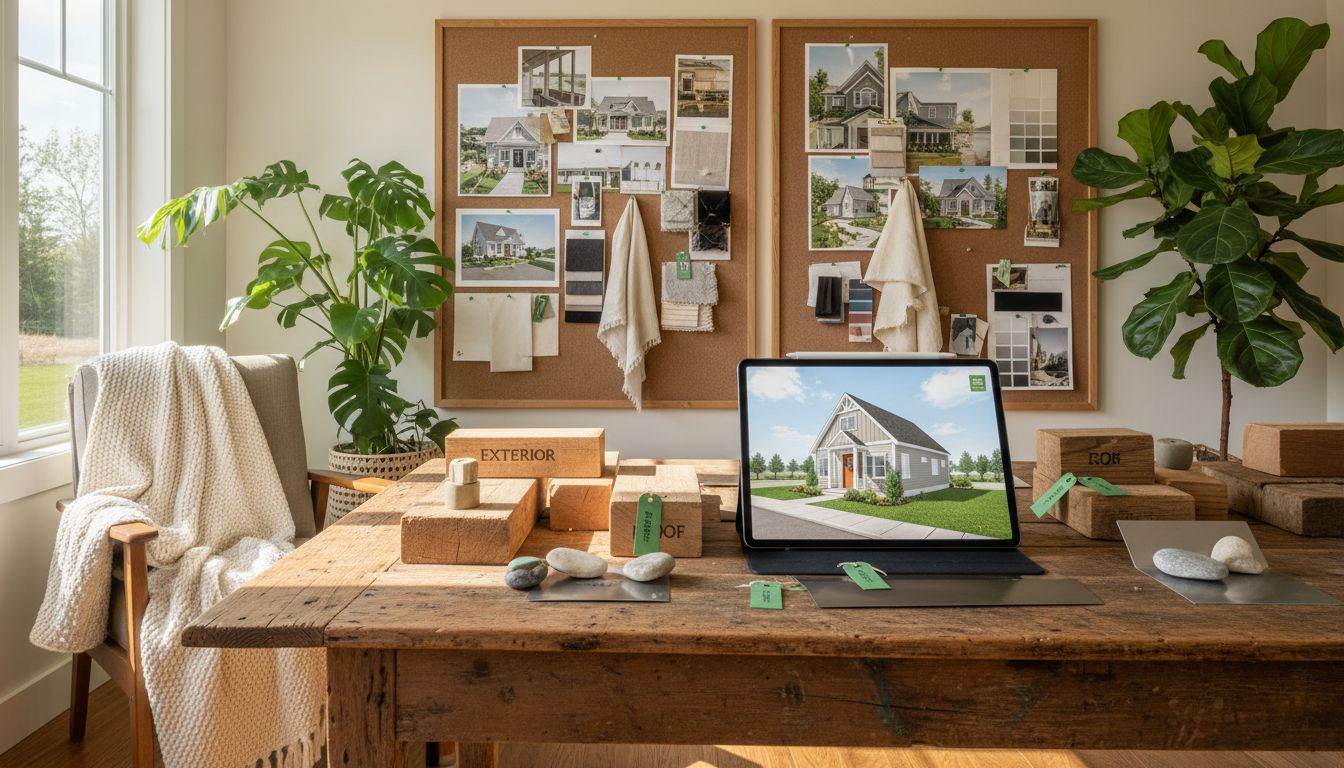 Design guidelines recommend selecting materials that harmonize with the surrounding landscape and reflect your personal architectural preferences. Consider materials that offer both performance and aesthetic value such as sustainable wood cladding, natural stone accents, energy efficient windows, and exterior finishes that can withstand the local climate. Collaborate closely with your design team to explore material samples, colour palettes, and textures that create a cohesive exterior appearance while meeting your functional requirements. Evaluate material selections through multiple lenses including aesthetic appeal, long term maintenance needs, environmental sustainability, and budget considerations. Request detailed material specification sheets and visual mock ups that help you understand how different components will interact and age over time. Architectural guidelines emphasize the importance of consistent quality and design principles when selecting exterior elements.
Pro Tip: Always request material samples that can be viewed in different lighting conditions to ensure they meet your aesthetic expectations.
With your exterior materials and design refined, you are now prepared to move forward to developing comprehensive construction documentation and preparing for the building permit application process.
Stage 4: Coordinate Municipal Permits and Compliance
This critical stage involves navigating the complex landscape of municipal regulations and securing the necessary approvals to transform your cottage design from blueprint to buildable project. Custom home project workflows emphasize the importance of understanding local building requirements before breaking ground. The National Building Code of Canada provides comprehensive technical requirements for construction that establish minimum safety standards. Begin by scheduling a comprehensive consultation with your local municipal planning department to review your detailed architectural plans. During this meeting, confirm zoning regulations, setback requirements, maximum building height restrictions, and specific environmental considerations that might impact your cottage construction. Housing design experts recommend working closely with qualified professionals to ensure your design meets all local zoning requirements. Prepare a thorough permit application package that includes detailed site plans, architectural drawings, environmental impact assessments, and any required technical specifications. Anticipate potential questions by proactively documenting how your proposed cottage design complies with local building codes, environmental regulations, and community design guidelines. Be prepared to make iterative adjustments to your plans based on municipal feedback.
Pro Tip: Create digital and physical copies of all documentation and maintain a dedicated file tracking every municipal interaction and submitted document.
With municipal permits and compliance requirements addressed, you are now prepared to move forward to the final stages of finalizing construction contracts and preparing for site preparation.
Stage 5: Oversee Build Execution and Quality Assurance
This pivotal stage transforms your carefully crafted plans into a physical reality, requiring meticulous oversight and strategic quality management. Custom home renovation workflows emphasize the critical importance of maintaining consistent communication and proactive project monitoring throughout the construction process. 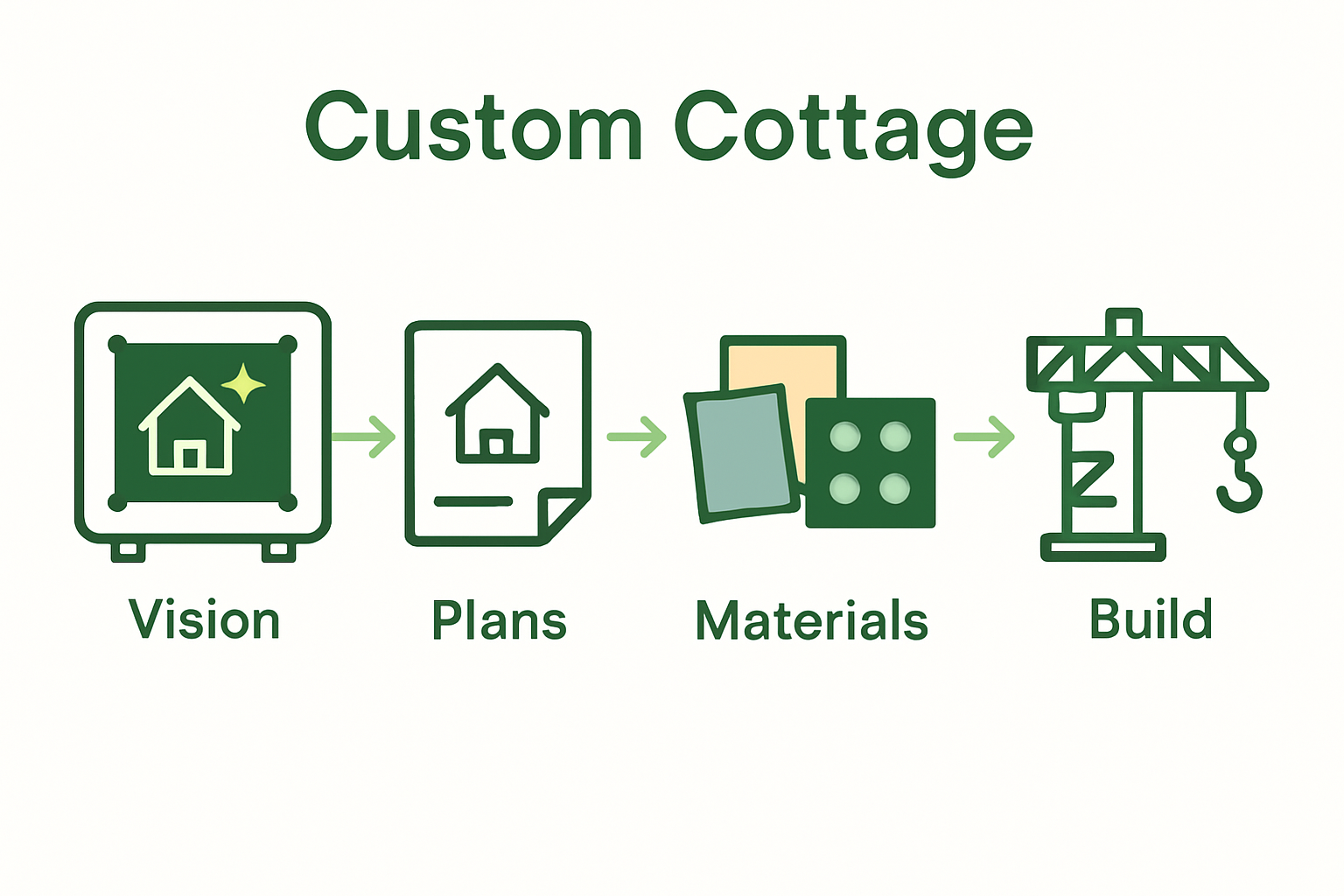 Architectural guidelines underscore the necessity of rigorous inspections to ensure work consistently aligns with approved design specifications. Schedule regular site visits and comprehensive progress meetings with your construction team to review each phase of development. During these meetings, carefully examine workmanship, material quality, structural integrity, and adherence to original design parameters. Detailed quality assurance protocols recommend tracking every aspect of construction to maintain compliance with design standards. Establish a systematic documentation process that captures photographic evidence, written reports, and milestone achievements throughout the construction journey. Maintain open communication channels with your construction team, promptly addressing any potential discrepancies or challenges that might emerge. This proactive approach helps mitigate risks, ensures design fidelity, and minimises potential costly rework.
Pro Tip: Create a dedicated project management folder with digital and physical copies of all construction documents, inspection reports, and communication records.
With build execution and quality assurance carefully managed, you are now prepared to progress towards the final stages of cottage completion and turnover.
Bring Your Custom Cottage Vision to Life with Expert Guidance
Building your dream cottage involves navigating complex decisions like site assessments, detailed design plans, and choosing materials that stand the test of time. The challenges of coordinating permits and ensuring quality construction can feel overwhelming. That is why having a trusted partner who understands the intricacies of the entire custom cottage design workflow is essential to turning your vision into reality without costly delays or compromises. Explore our Custom Home Archives for inspiration and expert insights.  Take the next step in your cottage journey with Mighton Construction Limited, a premium builder with over 30 years of experience serving the South Georgian Bay region. Our comprehensive services cover everything from initial design collaboration featured in our Design Archives to quality craftsmanship in every phase of construction. Visit our website at mightonconstruction.com to connect with our team and discover how we ensure seamless project management, transparency, and exceptional results. Start your custom cottage project today and experience peace of mind knowing your dream is built on a solid foundation.
Frequently Asked Questions
What initial steps should I take when starting a custom cottage design?
Begin by conducting a comprehensive site assessment of your property, examining the terrain and local building regulations. Document your vision using sketches and written descriptions to capture your functional and aesthetic preferences.
How can I effectively collaborate with my design team on floor plans?
Schedule regular design sessions with your team to share your lifestyle needs and preferences. Provide them with feedback on preliminary sketches, ensuring that the final floor plans reflect your vision and functional requirements.
What factors should I consider when selecting materials for my cottage’s exterior?
Choose materials that harmonize with the landscape and suit your architectural style, focusing on durability and maintenance. Evaluate options based on aesthetic appeal and sustainability, and request samples to view in different lighting conditions.
How do I navigate the process of obtaining municipal permits?
Start by consulting your local municipal planning department to review zoning regulations and required permits for your cottage design. Prepare a thorough permit application that includes detailed plans and be ready to adjust your designs based on municipal feedback.
What should I focus on during the construction phase of my cottage?
Maintain consistent communication with your construction team and schedule regular site visits to review progress. Document all stages of construction and address any discrepancies or issues promptly to ensure the build aligns with your approved plans.