Construction Timeline Explained: Planning Success in Canada

More than 60 percent of Canadian building projects encounter schedule delays that drive up costs and stress for everyone involved. Whether you are planning a simple renovation or tackling a large custom home, a well-defined construction timeline becomes the difference between chaos and a smooth build. Clarifying each project phase, expected milestones, and team roles helps Canadian owners and contractors keep projects on track and avoid costly surprises.
For the timelines we plan around in South Georgian Bay, from additions to full custom homes, see our building process and timeline table.
Table of Contents
- Defining A Construction Timeline In Building Projects
- Key Phases Of A Typical Construction Timeline
- Essential Milestones For Custom Homes And Renovations
- How Timelines Impact Cost, Quality, And Coordination
- Avoiding Delays: Risks And Common Pitfalls
Key Takeaways
| Point | Details |
|---|---|
| Importance of a Construction Timeline | A well-defined construction timeline is essential for guiding project phases, ensuring efficient progression and successful outcomes. |
| Critical Phases of Construction Projects | Construction timelines generally encompass six interconnected phases from conception to project closure, requiring precise coordination. |
| Impact of Timelines on Cost and Quality | Effective timeline management directly influences cost control, quality assurance, and team coordination, necessitating flexibility for unforeseen issues. |
| Strategies for Risk Mitigation | Proactive planning and risk management strategies are key to addressing common delays and ensuring smoother project execution. |
Defining a Construction Timeline in Building Projects
A construction timeline serves as the strategic roadmap that guides every phase of a building project from initial concept to final completion. Understanding construction project lifecycles involves mapping out precise stages, resources, and expected milestones that ensure efficient progression and successful outcomes.
Typically, a comprehensive construction timeline breaks down into several critical phases that systematically outline project development. These phases generally include preliminary planning, design development, permit acquisition, site preparation, foundation work, structural construction, interior and exterior finishing, and final inspections. Each phase requires specific tasks, estimated durations, and coordinated efforts from multiple professionals like architects, engineers, contractors, and subcontractors.
The complexity of a construction timeline can vary significantly depending on project scope. A residential custom home might take 8 to 12 months, while larger commercial or institutional projects could span multiple years. Key factors influencing timeline duration include project size, design complexity, site conditions, regulatory requirements, material availability, and potential unexpected challenges. Construction project management resources recommend building flexibility into timelines to accommodate potential delays or unforeseen circumstances.
Pro tip for Timeline Management: Create a detailed Gantt chart that visually tracks each project phase, assigns responsible parties, and includes buffer time for potential complications. This approach helps maintain clear communication and sets realistic expectations for all stakeholders.
Visual Breakdown Example:
-
Pre-Construction Phase (2-3 months)
- Design development
- Permit acquisition
- Site evaluation
-
Site Preparation (1-2 months)
- Excavation
- Foundation work
- Utility connections
-
Construction Phase (6-9 months)
- Framing
- Mechanical systems
- Interior and exterior finishing
-
Final Stage (1-2 months)
- Inspections
- Final touches
- Occupancy approval
Key Phases of a Typical Construction Timeline
Construction projects follow a structured sequence of phases that transform initial concepts into completed structures. Comprehensive project lifecycles typically encompass multiple critical stages that require precise coordination and strategic planning. Understanding these phases helps stakeholders anticipate challenges, allocate resources effectively, and maintain project momentum.
The primary phases of a construction timeline can be systematically broken down into six interconnected stages. These include project conception, where initial project goals and feasibility are evaluated, followed by planning and design, which involves detailed architectural drawings, engineering specifications, and comprehensive project blueprints. Custom home project workflows highlight the importance of meticulous planning during these early stages to prevent potential complications.
The subsequent phases transition from conceptual planning to physical implementation. Construction represents the most intensive period, involving site preparation, foundation work, structural assembly, and system installations. Commissioning follows, where all building systems are tested and verified for proper functionality. The final stages include operation and maintenance, where the completed structure is handed over to the owner, and potential decommissioning considerations are established for long-term asset management.
Pro tip for Phase Management: Develop a colour-coded master timeline that visually tracks each project phase, highlighting critical paths, dependencies, and potential bottlenecks. This approach allows for real-time progress monitoring and quick strategic adjustments.
Here is a summary of how project timeline phases relate to key construction stakeholders:
| Project Phase | Main Stakeholder(s) | Typical Responsibilities |
|---|---|---|
| Planning & Design | Architect, Engineer | Develop blueprints, secure permits |
| Site Preparation | General Contractor | Manage excavation, utilities setup |
| Construction | Subcontractors, Builders | Execute structural and system work |
| Commissioning & Handover | Owner, Inspector | Validate systems, final approval |
This table highlights the varied roles played at each construction stage.
Typical Construction Project Phases:
-
Project Conception (2-4 weeks)
- Initial project assessment
- Feasibility studies
- Budget preliminary planning
-
Design and Planning (3-6 months)
- Architectural design
- Engineering specifications
- Permit applications
-
Pre-Construction Preparation (1-2 months)
- Site surveying
- Contractor selection
- Material procurement
-
Active Construction (6-12 months)
- Foundation work
- Structural framing
- Mechanical and electrical installations
-
Finishing and Commissioning (2-3 months)
- Interior and exterior finishing
- System testing
- Quality assurance inspections
-
Project Closure (1 month)
- Final walkthrough
- Documentation
- Owner handover
Essential Milestones for Custom Homes and Renovations
Custom home construction and renovation projects demand careful tracking of critical milestones that ensure successful project completion. Comprehensive home building guides emphasize the importance of understanding each stage’s specific requirements and potential challenges. These milestones serve as strategic checkpoints that help homeowners and contractors maintain project momentum and quality standards.
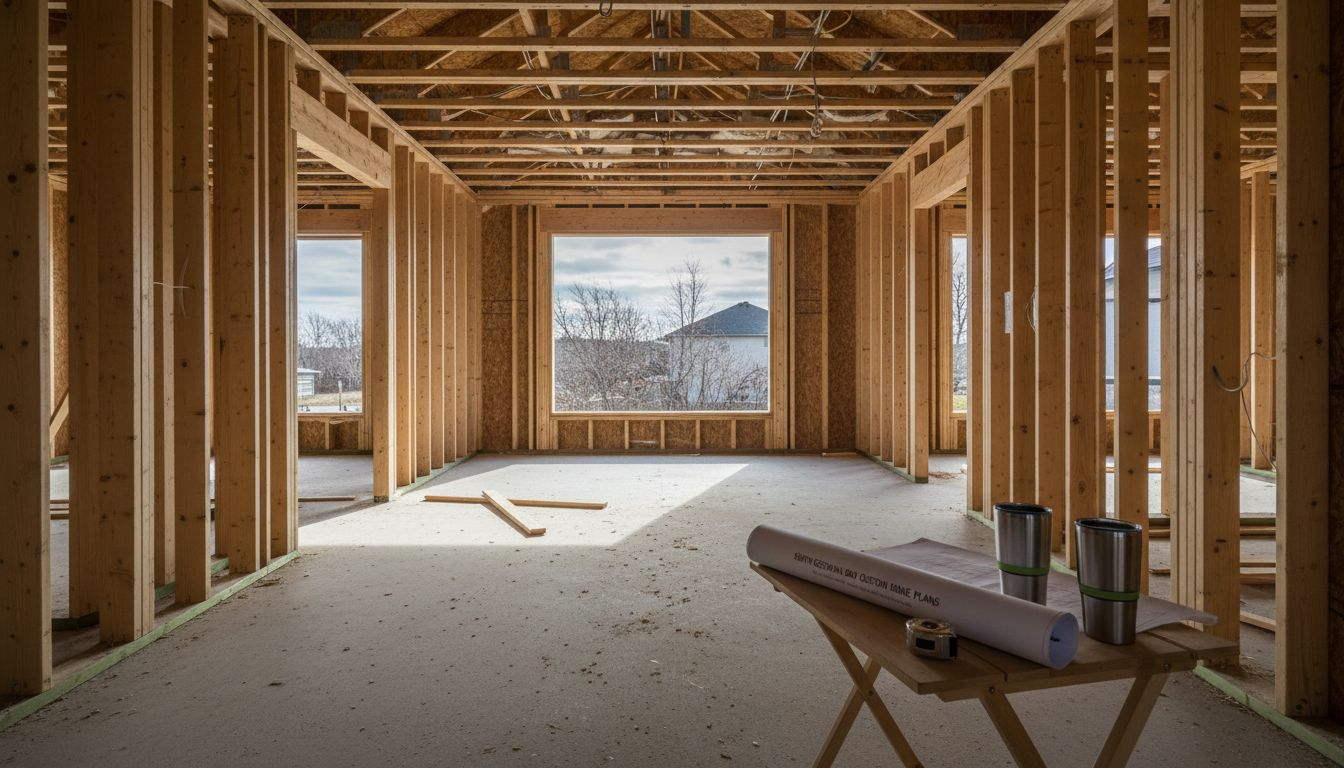
The initial milestones typically begin with site preparation and foundation work, which are crucial for establishing a solid structural base. Renovation workflow strategies highlight the significance of thorough site assessment, soil testing, and precise foundation installation. Home construction timelines demonstrate that these early stages can significantly impact the entire project’s success, with potential delays or complications in foundation work potentially cascading through subsequent construction phases.
Subsequent critical milestones include structural framing, roofing, mechanical systems installation, and interior finishing. Each phase requires meticulous attention to detail, precise coordination between trades, and adherence to local building codes and regulations. Homeowners should anticipate potential variations in timeline and budget, maintaining flexibility while keeping the project’s core objectives in focus. The transition between these milestones demands clear communication, regular progress reviews, and proactive problem-solving to ensure smooth progression.
Pro tip for Milestone Tracking: Create a digital project management dashboard that provides real-time updates on each milestone, allowing instant visibility into progress, potential bottlenecks, and resource allocation.
Key Project Milestones:
-
Pre-Construction Planning (4-8 weeks)
- Initial design consultation
- Architectural drawings
- Permit acquisition
-
Site Preparation (2-4 weeks)
- Land survey
- Excavation
- Soil testing and foundation prep
-
Foundation Work (2-3 weeks)
- Concrete pouring
- Waterproofing
- Foundation inspection
-
Structural Framing (4-6 weeks)
- Wall construction
- Roof framing
- Structural systems installation
-
Mechanical and Electrical Systems (3-5 weeks)
- Plumbing rough-in
- Electrical wiring
- HVAC installation
-
Interior and Exterior Finishing (6-8 weeks)
- Insulation
- Drywall
- Painting
- Flooring
- Trim work
-
Final Inspections and Handover (2-3 weeks)
- Municipal inspections
- Final walkthrough
- Certificate of occupancy
How Timelines Impact Cost, Quality, and Coordination
Construction project timelines are intricate mechanisms that directly influence project success, interweaving cost management, quality control, and team coordination into a complex strategic process. Commercial construction planning guides demonstrate that realistic timelines are fundamental to preventing financial overruns and maintaining high-quality standards throughout the building process.
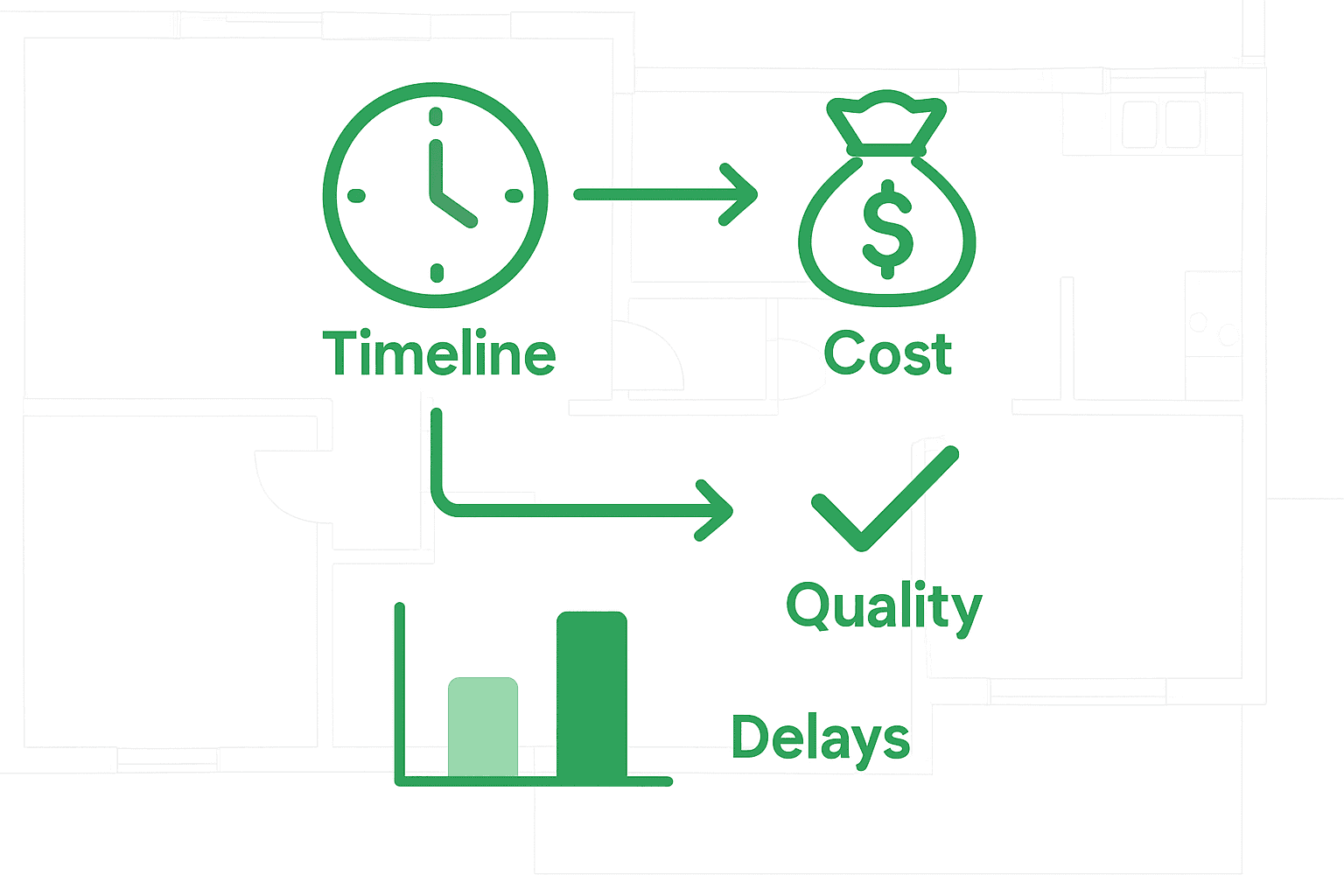
Timeline efficiency emerges as a critical factor in project management, with each delay potentially triggering cascading economic consequences. Residential building project strategies underscore how precise scheduling can minimise inefficiencies, reduce unexpected expenses, and ensure seamless coordination between different trade professionals. Delays in one project phase can exponentially increase costs, disrupt material procurement, and compromise overall project quality, making strategic timeline management essential for successful construction outcomes.
The interconnected nature of construction timelines means that cost, quality, and coordination are not isolated variables but deeply interrelated components. Material procurement, labour availability, weather conditions, and regulatory compliance all interact to influence project progression. Unexpected challenges like supply chain disruptions, labour shortages, or complex permit processes can substantially impact project budgets and timelines. Successful project managers develop flexible yet robust scheduling strategies that anticipate potential complications and build contingency margins into their planning.
Pro tip for Timeline Management: Implement a buffer of 15-20% additional time in your project schedule to accommodate unforeseen challenges, ensuring smoother project execution and reducing financial stress.
Key Timeline Impact Factors:
-
Cost Management
- Direct labour expenses
- Material procurement timing
- Equipment rental duration
- Potential overtime costs
-
Quality Control
- Adequate time for precision work
- Proper curing and installation periods
- Comprehensive quality inspections
- Avoiding rushed completion
-
Team Coordination
- Synchronised trade schedules
- Clear communication channels
- Minimised workflow interruptions
- Efficient resource allocation
Avoiding Delays: Risks and Common Pitfalls
Construction projects are inherently complex endeavours fraught with potential risks that can significantly derail timelines and budgets. Construction timeline analyses reveal that unexpected challenges can emerge at virtually every project stage, making proactive risk management an essential strategy for successful building projects.
The most prevalent risks stem from inadequate pre-construction planning, which can create cascading complications throughout the project lifecycle. Canadian construction management insights emphasize that poor stakeholder coordination, incomplete design specifications, and insufficient site assessments are primary contributors to project delays. These shortcomings can lead to significant budget overruns, extended timelines, and potential legal complications that diminish project quality and client satisfaction.
Complex regulatory environments, material procurement challenges, and unpredictable site conditions further compound potential risks. Weather constraints in Canadian construction, labour availability, supply chain disruptions, and unexpected geological or environmental factors can dramatically impact project progression. Successful project managers must develop robust contingency strategies that anticipate potential obstacles, maintain flexible scheduling, and establish clear communication protocols to mitigate these inherent uncertainties.
Pro tip for Risk Mitigation: Conduct comprehensive pre-construction site assessments and maintain a dynamic risk register that identifies potential challenges, assigns mitigation strategies, and allows real-time tracking of potential project impediments.
To better understand timeline risks, compare how common issues impact outcomes:
| Delay Source | Impact on Budget | Impact on Schedule |
|---|---|---|
| Permit Delays | Increased financing costs | Pushes project start later |
| Material Procurement Issues | Higher material expenses | Halts construction phases |
| Labour Shortages | Unplanned labour pricing | Extends overall duration |
| Poor Design Coordination | Redesign and rework costs | Causes rework and downtime |
This comparison underscores why active risk management is crucial in Canadian construction projects.
Primary Delay Risks:
-
Planning and Design Risks
- Incomplete architectural drawings
- Inadequate site evaluations
- Unclear project specifications
- Unresolved design conflicts
-
Regulatory and Permit Risks
- Delayed municipal approvals
- Zoning compliance issues
- Unexpected regulatory requirements
- Incomplete documentation
-
Resource and Coordination Risks
- Labour shortages
- Material procurement delays
- Equipment availability challenges
- Subcontractor scheduling conflicts
Master Your Construction Timeline with Expert Guidance from Mighton Construction
Planning a construction project in Canada requires more than just an idea It demands a detailed timeline that balances cost quality and coordination while avoiding common pitfalls like permit delays and labour shortages This article highlights how crucial it is to build flexibility and real-time tracking into your project schedule to anticipate challenges and maintain momentum
Let Mighton Construction Limited bring over 30 years of South Georgian Bay expertise to your custom home or renovation project Our team specialises in crafting luxury custom homes and comprehensive renovations with transparent communication and exceptional craftsmanship Discover our detailed approach to turn-key project management on our homepage and explore tailored solutions on our custom homes service page Perfect for navigating complex project phases such as design development and site preparation
Take the next step today to transform your vision into reality with confidence Contact us now to benefit from proven timelines and premium quality workmanship in Wasaga Beach, Collingwood, Blue Mountain, and beyond
Frequently Asked Questions
What are the key phases of a construction timeline?
The key phases of a construction timeline typically include project conception, planning and design, pre-construction preparation, active construction, finishing and commissioning, and project closure.
How can I manage risks that may delay my construction project?
To manage risks effectively, conduct comprehensive pre-construction site assessments, maintain a detailed risk register to track potential challenges, and establish clear communication protocols among all stakeholders.
What impact do delays have on construction project costs?
Delays can lead to increased financing costs, higher material expenses, and unplanned labour pricing. This can push the project over budget and extend the overall duration of the construction.
How do I ensure quality control during the construction process?
Quality control can be ensured by allocating adequate time for precision work, conducting comprehensive quality inspections, and maintaining clear communication with all parties involved to avoid rushed processes.