
Role of Architects in Cottage Design: Lasting Impact
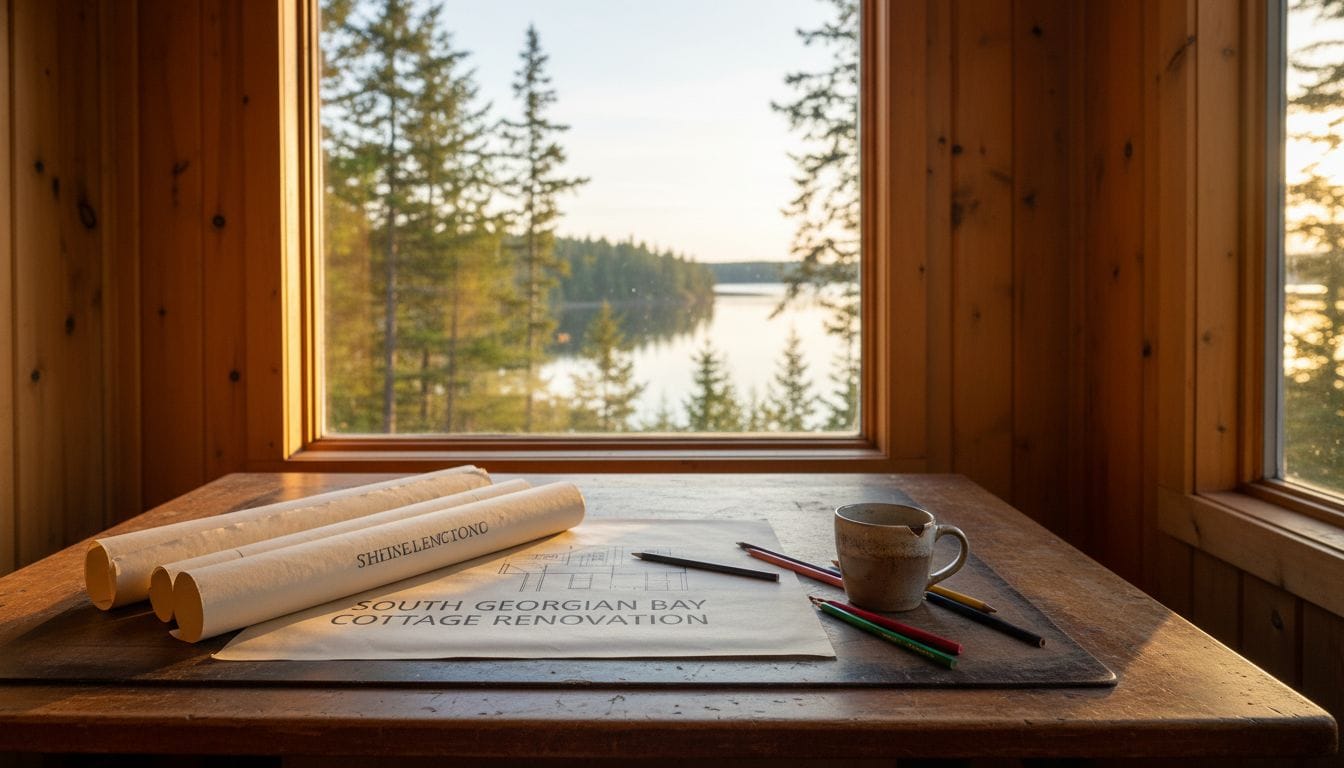
Most luxury cottage projects in South Georgian Bay today demand a thoughtful balance of comfort, sophistication, and environmental responsibility. For affluent homeowners who expect the best, collaborating with a skilled architect is essential to achieve a truly bespoke retreat that reflects both lifestyle and values. With more than 60 percent of new Canadian cottage builds now incorporating sustainable materials or systems, you can discover how professional guidance elevates every stage of cottage design and construction.
Table of Contents
- Defining The Architect’s Role In Cottages
- Types Of Canadian Cottage Architecture
- Design Process: From Vision To Reality
- Sustainability And Local Material Choices
- Navigating Zoning And Building Regulations
- Architects’ Responsibilities And Client Benefits
Key Takeaways
Point
Details
Role of Architects
Architects are essential in translating client visions into functional cottage designs, balancing aesthetics with site-specific challenges and regulatory requirements.
Sustainable Design
Contemporary cottage architecture prioritises sustainable materials and energy-efficient strategies that enhance environmental integration and reduce ecological impact.
Regulatory Navigation
Engaging a knowledgeable architect ensures compliance with local zoning and building regulations, facilitating smoother project approvals and preventing legal complications.
Client Benefits
Professional architects provide tailored design solutions and comprehensive project management, helping clients realise their cottage projects with quality and strategic insight.
Defining the Architect’s Role in Cottages
Architects play a pivotal role in transforming cottage design from a mere concept to a functional living space that harmonizes with its natural surroundings. Their professional responsibilities extend far beyond traditional drawing and drafting, encompassing a holistic approach to creating remarkable residential environments.
In the realm of cottage design, architects serve as strategic partners who synthesize multiple complex elements. They analyse site-specific challenges, interpret client vision, and develop comprehensive design solutions that balance aesthetic appeal with practical functionality. Architects in Canada manage critical aspects of project development, including feasibility studies, detailed planning, regulatory compliance, and project coordination.
The architect’s expertise becomes particularly crucial when designing cottages in unique geographical contexts like South Georgian Bay. They must consider local building codes, environmental conditions, terrain characteristics, and sustainability requirements. Their professional toolkit includes advanced design software, technical knowledge of construction methods, and an intimate understanding of how architectural elements interact with natural landscapes.
Expert Strategy Work closely with your architect during initial consultations to clearly communicate your vision, lifestyle needs, and budget constraints to ensure a truly personalised cottage design.
Types of Canadian Cottage Architecture
Canadian cottage architecture represents a rich tapestry of design traditions that reflect the nation’s diverse geographical and cultural landscapes. The architectural styles vary significantly across different regions, embodying unique responses to local environmental conditions, from wood-framed structures in the Maritimes to distinctive longhouses in Southern Ontario and Quebec.
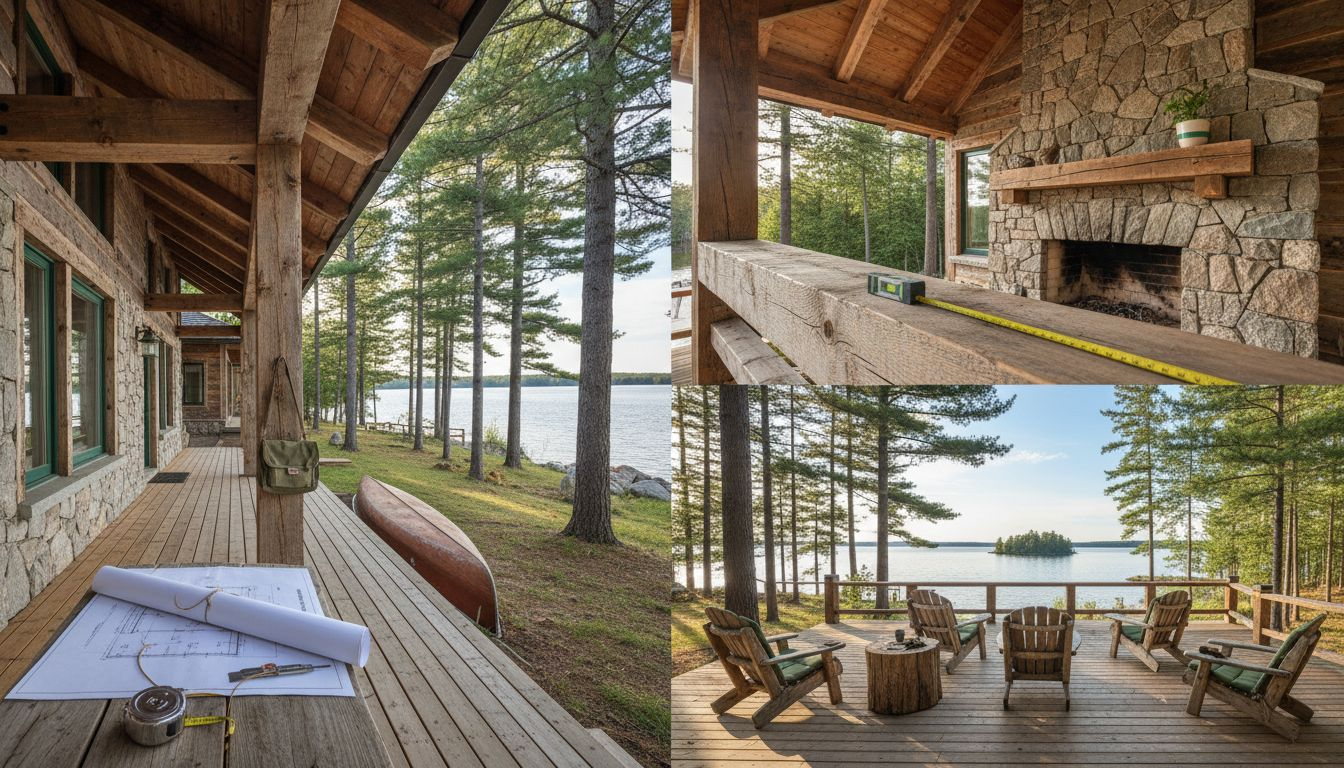
In Ontario and the Maritimes, cottage architecture typically emphasizes harmony with natural surroundings, featuring designs that seamlessly integrate with local terrain. Western provinces tend to favour more rugged cabin-style retreats that prioritize functionality and resilience against challenging climatic conditions. These regional variations showcase a deep architectural tradition that blends indigenous heritage with European settler influences, creating a distinctive Canadian residential vernacular.
The architectural typologies range from compact, timber-frame structures in Quebec to expansive lakeside retreats in Ontario, each reflecting local building traditions, available materials, and cultural preferences. Sustainable design principles increasingly inform modern cottage architecture, with contemporary architects incorporating energy-efficient technologies, locally sourced materials, and design strategies that minimise environmental impact while maximising connection to surrounding landscapes.
Strategic Planning Consult local architects familiar with regional building traditions to ensure your cottage design authentically reflects both cultural heritage and contemporary sustainable practices.
Here’s a quick comparison of regional cottage architectural styles in Canada:
Region
Dominant Materials
Key Design Features
Environmental Adaptations
Maritimes
Wood, stone
Coastal integration, porches
Weather resistance, insulation
Quebec
Timber, local stone
Compact timber-frame layouts
Deep roof overhangs, snow load
Ontario
Timber, lakeside stone
Expansive lakeside retreats
Large windows, landscape blend
Western Provinces
Log, heavy timber
Rugged cabin style
Wind buffers, thermal mass
Design Process: From Vision to Reality
Transforming a cottage design from initial concept to tangible reality requires a sophisticated, multi-stage approach that architects carefully navigate. The design process begins with comprehensive client consultations, where architects meticulously explore the homeowner’s vision, lifestyle requirements, and aesthetic preferences, establishing a foundational understanding that will guide subsequent design decisions.
Subsequent stages involve detailed schematic design and technical documentation. Architects develop preliminary sketches and detailed drawings that translate conceptual ideas into precise architectural plans, simultaneously addressing site-specific challenges and regulatory requirements. These stages demand iterative collaboration between architects, clients, and various stakeholders to resolve complex design considerations, ensuring the final design meets both functional and aesthetic objectives.
As the design progresses, architects engage in critical activities such as material selection, budget management, and coordination with contractors and subcontractors. They develop comprehensive specifications that outline precise construction requirements, ensuring the cottage design can be executed with exceptional quality and attention to detail. This phase involves rigorous problem-solving, with architects acting as strategic intermediaries who balance creative vision with practical implementation constraints.
Strategic Insight Maintain open and frequent communication with your architect throughout the design process to ensure your vision remains central to the project’s development.
For strategic planning, here are the major steps in a cottage architectural design process:
Stage
Objective
Main Participants
Typical Outcome
Initial Consultation
Define vision and requirements
Architect, client
Project brief
Schematic Design
Draft design concepts
Architect, client
Preliminary sketches
Technical Documentation
Specify precise plans and materials
Architect, engineers
Detailed drawings
Construction Coordination
Oversee build and design execution
Architect, contractors
Completed project
Sustainability and Local Material Choices
Sustainable design has become a cornerstone of contemporary cottage architecture, transforming how architects approach material selection and environmental integration. In South Georgian Bay, this approach means carefully selecting materials that not only reflect the regional landscape but also minimise ecological impact, creating cottages that exist in harmony with their natural surroundings.
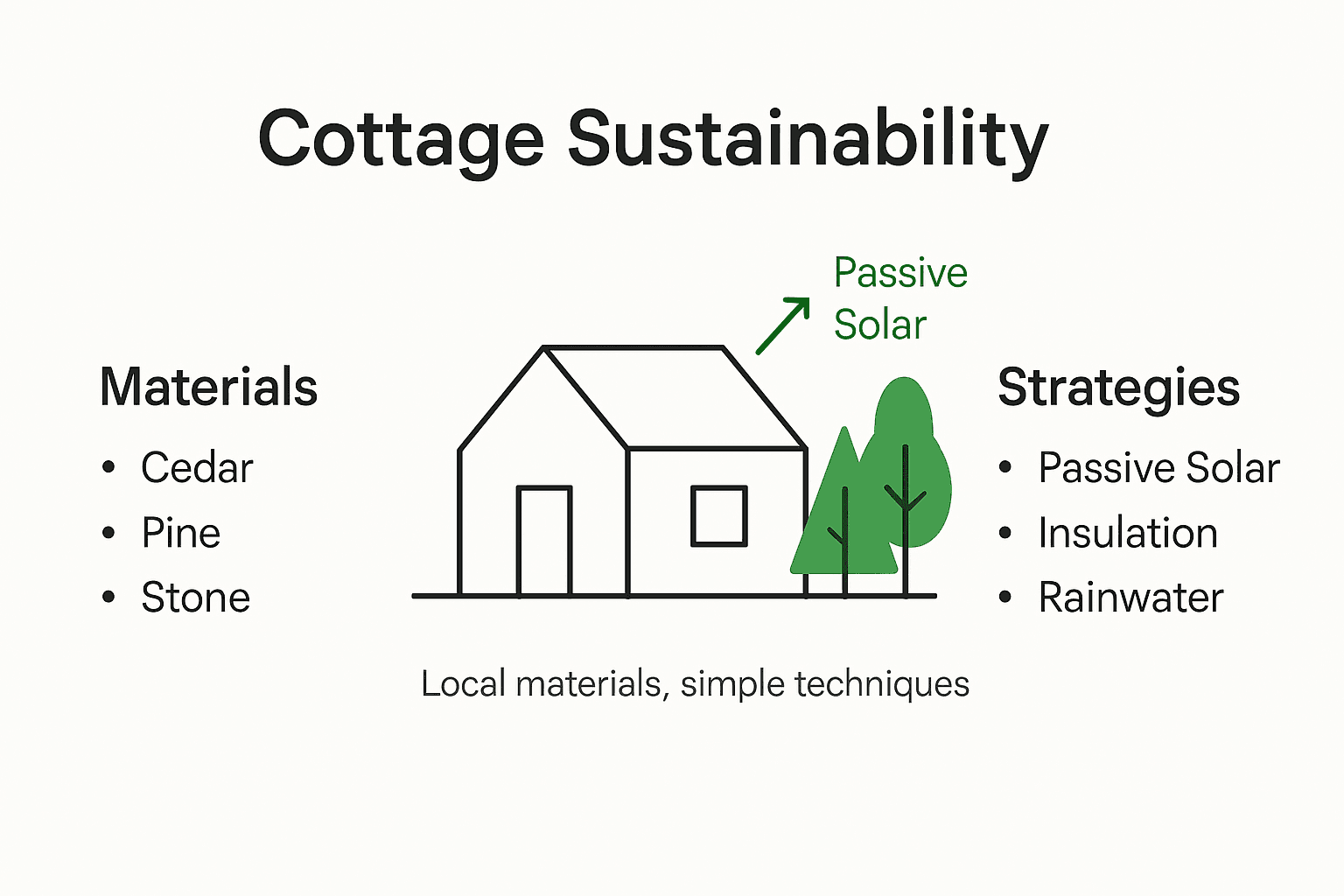
Local wood species like cedar, pine, and spruce play a critical role in sustainable cottage design. These materials are not just aesthetically pleasing but offer inherent environmental advantages, reducing transportation emissions and supporting regional forestry economies. Contemporary cottage architecture prioritises materials that provide both ecological benefits and a deep connection to place, with architects strategically choosing locally sourced timber, stone, and other natural resources that reflect the unique character of the South Georgian Bay region.
Beyond material selection, sustainable cottage design encompasses comprehensive strategies for energy efficiency and environmental performance. Architects now integrate advanced insulation techniques, passive solar design principles, and innovative technologies that reduce overall energy consumption. This holistic approach considers everything from building orientation and window placement to the thermal properties of selected materials, ensuring cottages are not just beautiful, but environmentally responsible.
Strategic Insight Consult with local architects who understand regional materials and sustainable design principles to create a cottage that minimises environmental impact while maximising aesthetic and functional value.
Navigating Zoning and Building Regulations
Navigating the complex landscape of zoning and building regulations requires specialized architectural expertise that goes far beyond simple design considerations. In the South Georgian Bay region, each municipality has unique regulatory requirements that can significantly impact cottage design, making an architect’s knowledge critical for successful project implementation.
Architects serve as essential intermediaries between clients and local regulatory bodies, preparing comprehensive documentation and ensuring design compliance with intricate provincial and municipal building codes. Their role involves meticulously interpreting zoning laws, land-use restrictions, and safety standards to facilitate smooth project approvals, preventing potential legal complications that could delay or halt construction. This process requires deep understanding of local regulations specific to waterfront properties, environmental protection zones, and structural requirements unique to cottage construction.
The regulatory navigation process encompasses multiple complex stages, including detailed site assessment, preliminary design review, permit application preparation, and ongoing compliance verification. Architects must anticipate potential regulatory challenges, such as setback requirements, height restrictions, environmental impact assessments, and specific building envelope regulations that vary across different municipalities in the South Georgian Bay area. Their expertise helps clients avoid costly redesigns and potential legal conflicts by proactively addressing regulatory constraints during the initial design phases.
Strategic Insight Always engage an architect with local experience who understands the specific zoning regulations of your target cottage location to streamline the approval process and minimize potential regulatory obstacles.
Architects’ Responsibilities and Client Benefits
Architects provide comprehensive services that extend far beyond traditional design, serving as strategic partners who transform clients’ cottage visions into tangible, functional realities. Their professional responsibilities encompass a holistic approach that integrates creative design, technical expertise, and meticulous project management.
Beyond aesthetic considerations, architects bear significant ethical responsibilities to ensure public safety, environmental sustainability, and client satisfaction. They contribute specialised knowledge that simplifies complex design processes, mitigates potential risks, and enhances the long-term value of cottage projects. This expertise involves coordinating multiple stakeholders, from contractors and engineers to municipal authorities, ensuring seamless project execution and regulatory compliance.
The client benefits of engaging a professional architect are multifaceted. Architects bring innovative solutions tailored to specific site conditions, leveraging advanced design technologies and deep understanding of local architectural traditions. They help clients navigate challenging design constraints, optimize spatial functionality, and create cottages that not only meet immediate needs but also provide enduring value through thoughtful, sustainable design strategies.
Strategic Insight Prioritize architects with proven experience in cottage design and local knowledge to maximise the potential of your specific project and site conditions.
Elevate Your Cottage Design with Expert Guidance and Craftsmanship
Designing a cottage that truly reflects your vision while navigating complex zoning, sustainability, and material choices can feel overwhelming. This article highlights the essential role architects play in balancing creativity with local regulations and environmental responsibilities. At Mighton Construction, we understand these challenges intimately and offer a seamless experience from initial design through construction to finishing touches.
Explore our Design Archives to discover how we blend architectural innovation with premium craftsmanship to bring your dream cottage to life.
Don’t let the complexities of cottage projects hold you back. Partner with Mighton Construction, a trusted builder in South Georgian Bay with over 30 years of expertise, to ensure your custom home or renovation harmonizes with its natural surroundings and meets all regulatory demands. Visit our website to start your journey towards a lasting, exceptional cottage designed just for you.
Frequently Asked Questions
What is the role of an architect in cottage design?
Architects play a crucial role in cottage design by transforming client visions into functional living spaces. They analyze site-specific challenges, interpret aesthetic preferences, and develop comprehensive design solutions that balance aesthetic appeal with practicality.
How do architects ensure sustainability in cottage design?
Architects promote sustainability in cottage design by selecting local materials, implementing energy-efficient technologies, and using design strategies that minimize environmental impact, all while enhancing the connection to the natural surroundings.
What is the design process for creating a cottage with an architect?
The design process starts with client consultations to define the vision, followed by schematic design, technical documentation, and construction coordination. This collaborative approach ensures that the final design meets both functional needs and aesthetic desires.
Why is it important to consult local architects for cottage design?
Consulting local architects is essential as they possess knowledge of regional building codes and environmental conditions, which ensures that the cottage design is compliant with local regulations and reflects the unique cultural heritage of the area.